Citizens term withdrawal of Parks Bill ‘victory for Bengaluru’
Source Entity
India Latest News: Top National Headlines Today & Breaking News | The Hindu
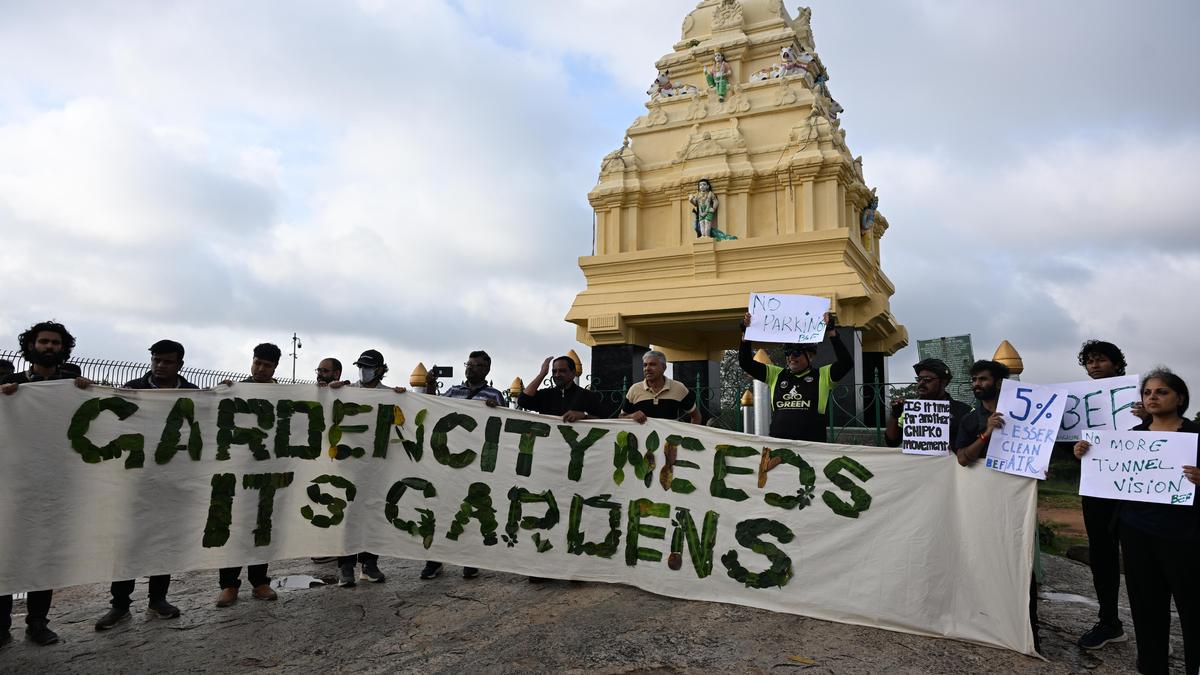
The Karnataka government has withdrawn the controversial Parks (Preservation) Amendment Bill following intense public and political backlash. The bill, which sought to allow 5% land diversion for infrastructure, will now undergo public consultation before a potential reintroduction.
The Karnataka Parks Bill Withdrawal: A Victory for Civic Activism
On September 3, 2026, the Karnataka Cabinet made a decisive move to withdraw the controversial Karnataka Government Parks (Preservation) (Amendment) Bill, 2026. This legislation had sparked widespread outrage by proposing to allow the alienation of up to 5% of designated park and garden land for public infrastructure projects, including controversial plans for tunnel roads. The decision comes after mounting pressure from environmental groups, civil society organizations, and the Opposition BJP.
The Anatomy of the Protest
The opposition to the bill reached a boiling point on August 30, when thousands of citizens gathered at the iconic Lalbagh Botanical Garden to protest the amendment. Critics argued that the bill threatened the ecological integrity of Bengaluru’s green spaces, which include 1,353 parks, most notably the 240-acre Lalbagh and the 197-acre Cubbon Park. This grassroots mobilization highlighted a growing tension between rapid urban infrastructure development and the preservation of the city's "green lungs."
Political Context and Legislative Hurdles
The bill’s initial passage during the Monsoon Session occurred under highly contentious circumstances, as it was pushed through without discussion amidst an Opposition protest demanding the resignation of B. Nagendra. By choosing to withdraw the bill now, the government is attempting to mitigate political fallout and acknowledge the procedural critiques leveled against them. The Governor is set to be formally intimated of this decision as the state shifts toward a period of public consultation.
Historical Precedents for Bengaluru’s Civic Victories
This reversal is being hailed as a significant triumph for democratic discourse, drawing comparisons to previous instances where public pressure successfully halted government infrastructure projects. Similar to the withdrawal of the steel flyover project in 2016 and the recent opposition to land acquisitions in Devanahalli, this event underscores a recurring pattern in Bengaluru: when civil society and political opposition align, they can force the state to reconsider its urban planning strategies.
Future Implications and Cautious Optimism
While the withdrawal is a win for activists, the government has clarified that the bill is not dead but merely on hold. Deputy Chief Minister G. Parameshwara noted that the legislation will be placed in the public domain for discussion, with the possibility of reintroduction in the next legislature session with suitable amendments. Consequently, civic groups remain cautious, wary that the core intent of the bill—diverting park land for infrastructure—may still be pursued under a revised framework.
Conclusion
The saga of the Karnataka Government Parks (Preservation) (Amendment) Bill reflects the ongoing struggle of a rapidly expanding metropolitan area balancing the need for transit infrastructure with the necessity of environmental conservation. As the government prepares to open the floor for public debate, the eyes of Bengaluru's citizenry will remain fixed on how the administration balances these competing interests in the coming legislative session.
Verification Required?