From Tejas rejection to 5th-gen fighter jet hopes: Can Kaveri 2.0 finally deliver?
Source Entity
AYUSH PANDEY
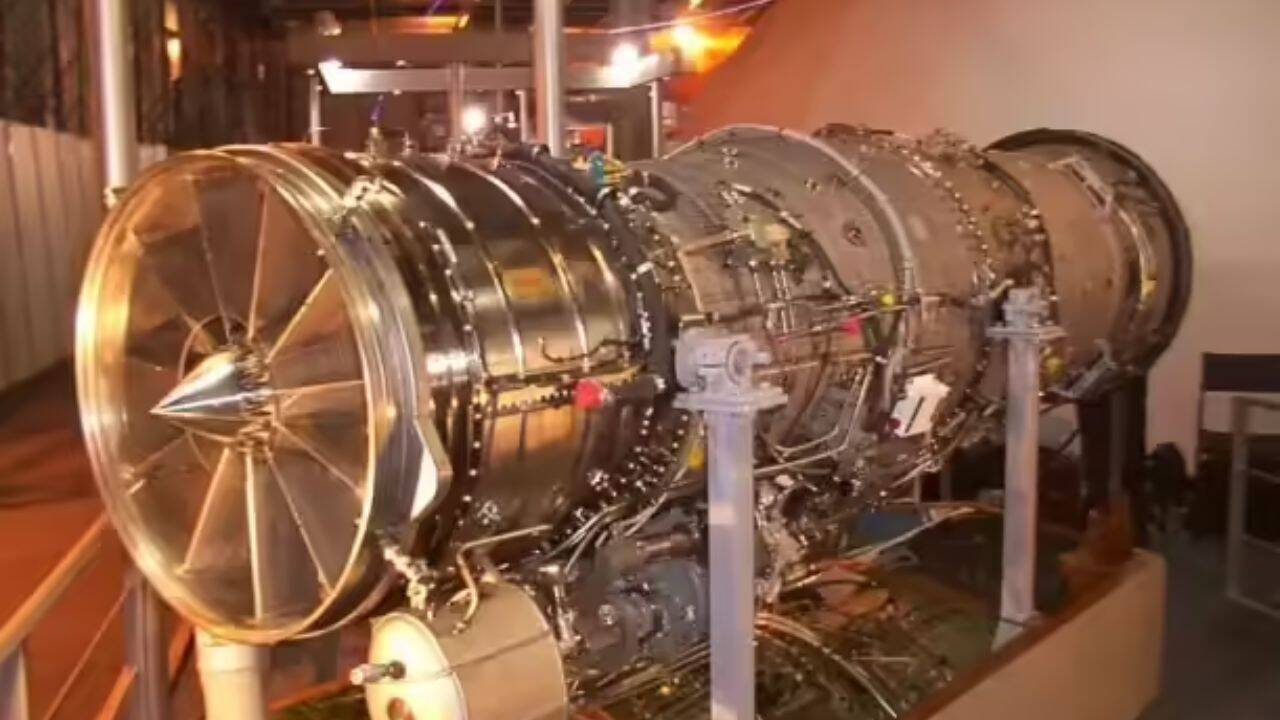
India is reviving the Kaveri jet engine project to achieve self-reliance in aerospace propulsion. By leveraging legacy technologies for future combat and unmanned aircraft, the initiative aims to reduce dependence on imported engines like those from GE.
The Resurgence of the Kaveri Engine: A New Chapter for India’s Aerospace Sovereignty
India’s quest for aerospace autonomy has long been tethered to the development of a domestic jet engine, a challenge that has historically proven to be one of the most complex hurdles for the nation's defence sector. The recent revival of the Kaveri project, signaled by Defence Minister Rajnath Singh’s ambitious call for sixth-generation engine capabilities, marks a strategic pivot. After years of dormancy following its exclusion from the Tejas Light Combat Aircraft (LCA) program, the Kaveri engine is being repositioned as a foundational asset for India's future military aviation ambitions.
The Historical Context: Why Kaveri Stumbled
The Kaveri engine was originally conceived to power the indigenous Tejas fighter jet. However, technical shortcomings, including insufficient thrust and weight issues, rendered it unsuitable for the platform. This failure forced India to rely heavily on imported alternatives, specifically General Electric (GE) engines, to sustain its current fighter fleet. This reliance has acted as a strategic bottleneck, limiting India's ability to fully control its supply chain and maintenance cycles for its most critical defense assets.
Strategic Integration: From Tejas to AMCA
Despite the initial setbacks, the knowledge gained from the Kaveri program has not been lost. The government is now integrating these legacy technologies into the Advanced Medium Combat Aircraft (AMCA) program and other unmanned aerial vehicle (UAV) projects. By repurposing these systems, the Defence Research and Development Organisation (DRDO) aims to bridge the gap between failed prototypes and functional, next-generation propulsion systems that can support modern, high-performance aircraft.
The Push for Atmanirbharta (Self-Reliance)
Defence Minister Rajnath Singh’s directive to push for sixth-generation engine technology reflects a broader national strategy of 'Atmanirbharta.' India’s record ₹1.78 lakh crore defense spending is a clear indicator that the nation is moving away from the 'buyer' status toward a 'manufacturer' status. Developing an indigenous engine is the final frontier in this transition, as propulsion technology remains the most closely guarded secret in global aerospace engineering.
Future Trends and Challenges
The road ahead for Kaveri 2.0 is fraught with technical rigor. Developing a sixth-generation engine requires mastery over high-temperature materials, advanced cooling systems, and intricate thrust-to-weight ratios that exceed current global standards. If successful, this project will not only power India’s future combat fleet but also significantly reduce the fiscal drain caused by recurring imports from foreign OEMs.
Conclusion
The revival of the Kaveri program represents a matured, pragmatic approach to defense research. By moving beyond the singular failure of the Tejas integration and focusing on a broader ecosystem of unmanned and future-combat platforms, India is laying the groundwork for long-term technological independence. While the transition from 'hope' to 'delivery' remains a formidable engineering challenge, the institutional backing and clear strategic vision suggest a more resilient future for India's domestic propulsion capabilities.