Kazakhstan releases second Amur tiger in the wild as country works to revive lost population
Source Entity
Latest News: Todays Latest News Headlines from India & World | Hindustan Times
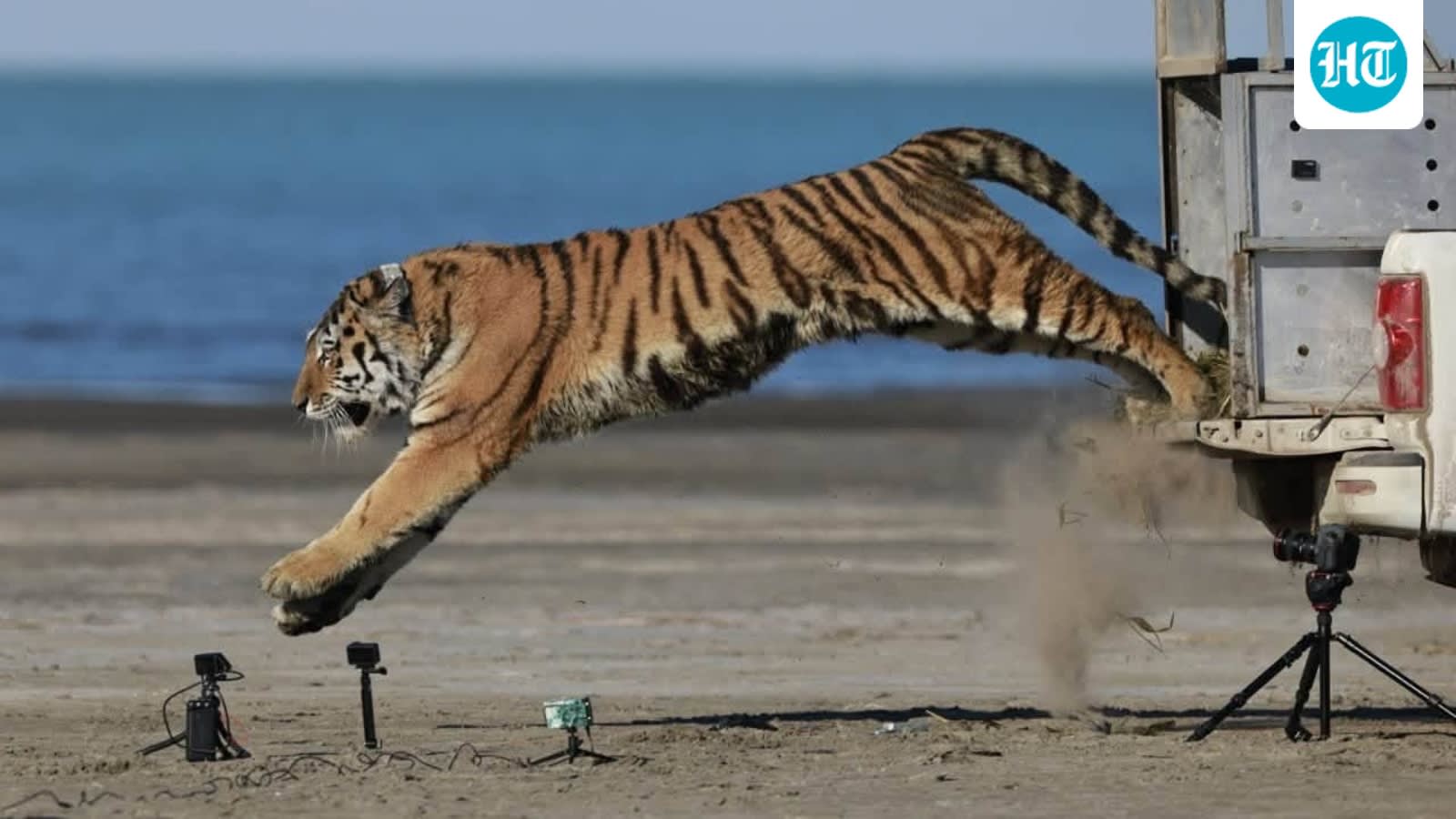
Kazakhstan has successfully released a second Amur tiger into the Ile-Balkhash reserve as part of an ambitious project to restore the species to Central Asia. The tiger underwent rigorous behavioral and health assessments before being fitted with a satellite collar for ongoing conservation monitoring.
Restoring a Legacy: Kazakhstan’s Amur Tiger Reintroduction
Kazakhstan has reached a significant milestone in its ambitious ecological restoration project by releasing a second Amur tiger into the wild. This initiative, centered in the expansive Ile-Balkhash reserve, represents a concerted effort to reverse decades of habitat loss and species displacement. By reintroducing these apex predators, the nation is not merely focusing on individual animal welfare, but is actively working to restore the ecological balance of Central Asia’s vast landscapes.
Rigorous Preparation and Scientific Oversight
Before stepping into the wild, the tiger underwent an exhaustive preparation process overseen by the Ministry of Ecology and Natural Resources. This included comprehensive veterinary examinations and specialized behavioral testing to ensure the animal possessed the necessary hunting instincts and resilience required for survival. Experts carefully evaluated the tiger’s ability to secure food independently and its cautious, appropriate response to human presence, ensuring that the transition from captivity to the wild was as seamless as possible.
The Acclimatization Process
Upon arriving in the country, the tiger was housed in a specially equipped acclimatization enclosure within the Ile-Balkhash reserve. This period of supervised transition allowed the big cat to adjust to the local climate, scent profiles, and environmental stimuli of its new home. Specialists monitored the tiger around the clock, providing the necessary infrastructure to bridge the gap between its previous environment and the demands of the open reserve.
Technological Integration in Conservation
To ensure the long-term success of this reintroduction, the tiger has been fitted with a satellite tracking collar. This technology is vital for conservationists, as it provides real-time data on the predator’s movements, territory establishment, and adaptation patterns. By analyzing this spatial data, researchers can make informed decisions regarding habitat management and protective measures, thereby increasing the likelihood of a sustainable population growth.
Historical Context and Future Implications
This initiative serves as a modern answer to a historical void; the region was once the natural habitat of the Caspian tiger, a subspecies that vanished from Central Asia in the 20th century. By introducing the closely related Amur tiger, Kazakhstan is attempting to fill the ecological niche left vacant by the extinct Caspian tiger. If successful, this program could serve as a global blueprint for large-scale carnivore reintroduction, offering a beacon of hope for biodiversity restoration in regions where human activity previously caused catastrophic species decline.
Conclusion
The release of this second tiger marks more than just a single conservation victory; it signals a long-term commitment to restoring the natural heritage of Central Asia. Through a combination of rigorous behavioral science, technological tracking, and dedicated habitat management, Kazakhstan is positioning itself as a leader in global wildlife conservation efforts.
Verification Required?