KDE turns 30 with Plasma 6.8, remote upgrades, and an X11 farewell
Source Entity
Nick Indge
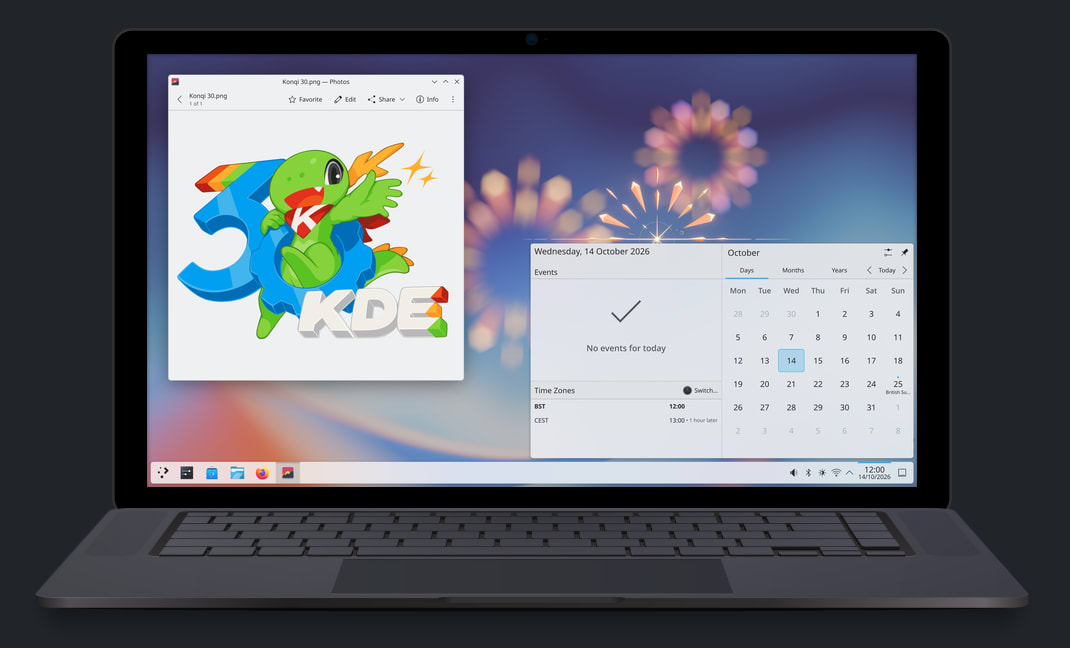
KDE celebrates its 30th anniversary with the release of Plasma 6.8, which marks the permanent transition to the Wayland display protocol. While native X11 support in Plasma is retired, legacy application compatibility remains ensured through XWayland.
KDE at 30: A Milestone in Open Source Evolution
October 14 marks a monumental milestone for the open-source community as KDE celebrates its 30th anniversary. Since its inception, KDE has evolved from a nascent graphical environment project into a cornerstone of the Linux desktop ecosystem. The release of Plasma 6.8, aptly titled the “30th Anniversary Edition,” serves not only as a functional update but as a symbolic bridge between the project's storied past and its ambitious future. By combining the release with a commemorative movie, the organization is reinforcing its cultural impact alongside its technical achievements.
The Shift to Wayland: A Necessary Evolution
The most significant technical transition in Plasma 6.8 is the formal retirement of native X11 session support. For 42 years, the X11 protocol has served as the backbone of Unix-like graphical displays, but its aging architecture has struggled to meet the demands of modern display hardware, high-DPI scaling, and security requirements. By fully adopting the Wayland system, KDE is positioning itself to leverage modern display technologies that offer better performance, improved security sandboxing, and reduced screen tearing, effectively modernizing the user experience for the next decade.
Balancing Innovation and Compatibility
Despite the retirement of native X11 sessions within the Plasma environment, the transition is designed to be pragmatic rather than disruptive. The inclusion of the XWayland compatibility layer ensures that the vast library of legacy X11 applications will continue to function seamlessly within the new environment. Furthermore, the commitment to maintaining X11 support for KDE applications under other desktop environments demonstrates a balanced approach to the ecosystem, ensuring that users who are not yet ready to migrate off X11 are not left behind.
Historical Context and Industry Trends
The transition away from X11 is a broader industry trend, with major desktop environments like GNOME having already paved the way. KDE’s decision to follow suit signifies a unified direction for the Linux desktop, moving toward a more streamlined and efficient display architecture. This shift is critical for developers who have long been constrained by the limitations of the X11 protocol, allowing them to focus on building features that are natively supported by Wayland’s modern design.
Future Outlook: What Lies Ahead
As Plasma 6.8 prepares the desktop for the future, the community can expect a continued focus on stability and performance. For users currently operating on Plasma 6.7, the path forward is clear: the transition to 6.8 is a deliberate step toward a more robust architecture. Looking forward, the success of this transition will likely serve as a blueprint for other projects, confirming that while the legacy of X11 is deeply ingrained, the future of Linux graphical interfaces is undeniably tied to the evolution of Wayland.