Ledger asks resellers to halt sales in Southeast Asia and Hong Kong
Source Entity
Cointelegraph by Felix Ng
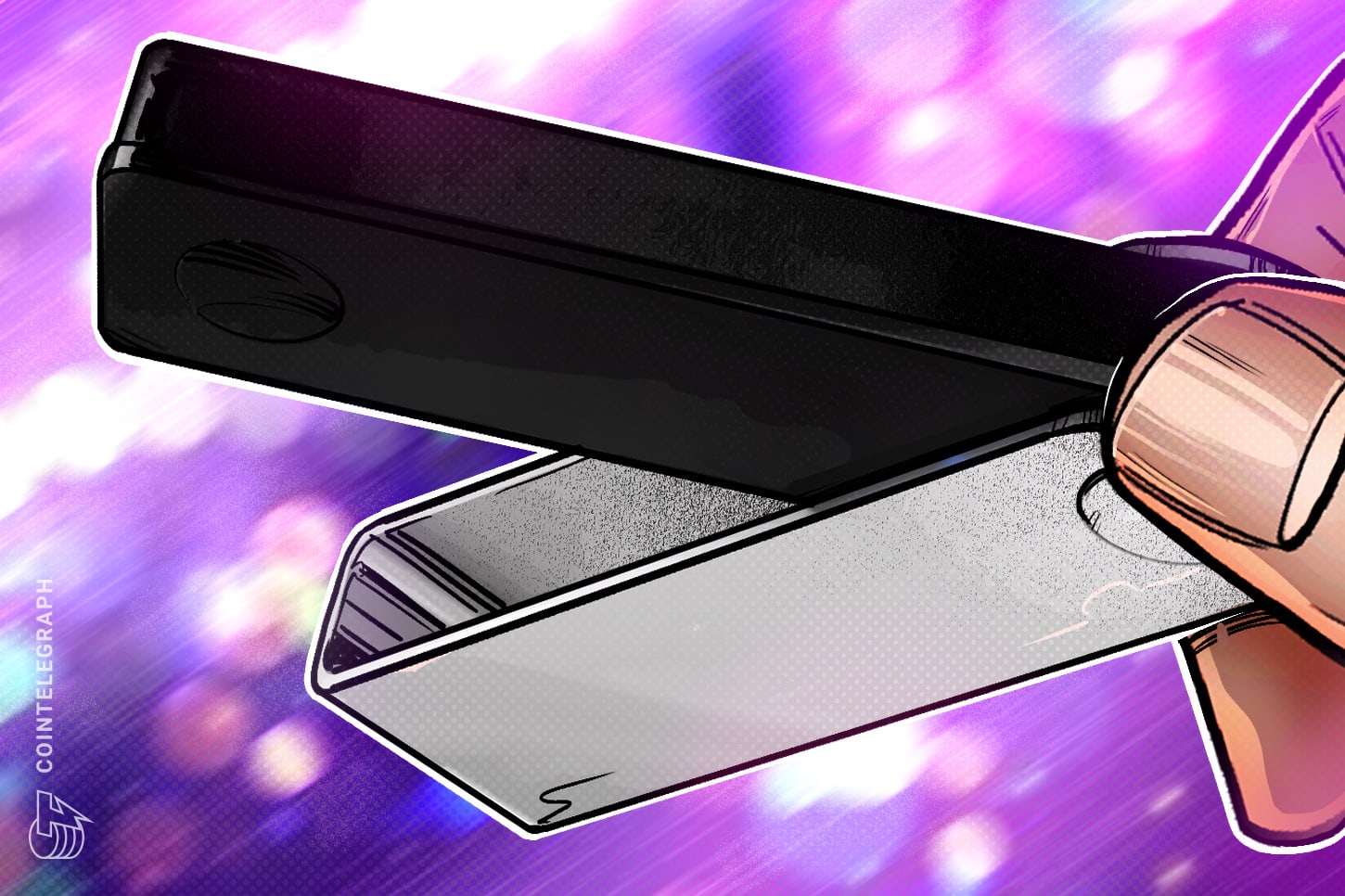
Major hardware wallet security breaches have emerged involving malicious LTE-enabled spy implants in devices sold by third-party retailers. Ledger is investigating these tampering incidents while major retailers like MediaMarkt have pulled products from shelves to protect consumers.
The Hardware Wallet Security Crisis: An Overview
The cryptocurrency sector is currently grappling with a severe security breach involving physical tampering of hardware wallets. Ledger, a prominent manufacturer in the industry, has confirmed that unauthorized LTE-enabled implants were discovered in devices sold by the reseller CryptoBilis. These malicious additions were designed to capture 24-word recovery phrases directly from device screens during the setup process, transmitting the sensitive data over cellular networks via eSIM technology.
Mechanics of the Tampering
According to the investigation by Ledger Donjon, the company’s internal security research team, the implants utilized a specialized microcontroller to decode and broadcast user recovery phrases. Crucially, Ledger noted that the integrity of the core security chips and the device's ability to process transactions remained intact. The attack vector was strictly limited to exfiltrating the mnemonic seed phrase upon initial device configuration, effectively bypassing the security features by capturing the information before it could be secured by the user.
The Ripple Effect: Retailers and Industry Fallout
The fallout from this discovery has extended far beyond the initial reseller. Major European electronics retailer MediaMarktSaturn has proactively removed all Ledger products from its physical stores and online platforms. This decision follows reports from customers, such as an X user named Johannes, who claimed to have purchased tampered wallets—complete with unauthorized cables and cellular modules—directly from MediaMarkt outlets. This suggests that the distribution chain for hardware wallets may be more vulnerable to physical supply chain attacks than previously assumed.
Supply Chain Vulnerabilities and Trust
This incident highlights a critical vulnerability in the hardware wallet ecosystem: the reliance on third-party resellers. While manufacturers like Ledger, Trezor, and OneKey maintain rigorous security standards for their own production lines, the physical handling of these devices by third-party intermediaries creates a significant point of failure. Consequently, Trezor and OneKey have severed ties with CryptoBilis, signaling a broader industry shift toward stricter oversight of authorized retail partners.
Broader Implications for Crypto Security
For the end-user, this situation serves as a stark reminder of the risks associated with the physical supply chain. The ability of a malicious actor to insert hardware-level spyware underscores the importance of purchasing security hardware exclusively from official, trusted sources or directly from the manufacturer. As these reports expand beyond Southeast Asia to include European retail channels, the industry is likely to see a move toward "tamper-evident" packaging and more rigorous verification processes for hardware authentication.
Future Trends and Conclusion
Looking forward, we can expect hardware wallet manufacturers to enhance their anti-tamper mechanisms and provide users with better tools to verify the integrity of their device hardware upon unboxing. The current crisis will likely force a consolidation of the retail landscape, as brands prioritize security and supply chain transparency over broad distribution. As Ledger continues to probe the extent of these tampering reports, the crypto community remains on high alert, emphasizing that in the world of non-custodial finance, physical hardware security is as vital as private key management.
Multiple Citing Sources