Saudi National Arrested For Planting Recording Device At OpenAI Office
Source Entity
NDTV News Search Records Found 1000
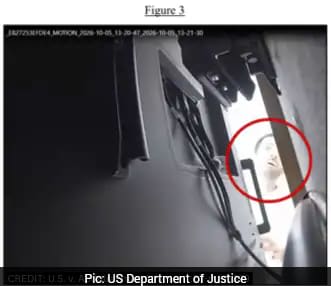
OpenAI employee Abdulrahman Alfozan was arrested by the FBI for planting a sophisticated recording device in an executive conference room. The incident highlights rising security concerns surrounding the protection of sensitive artificial intelligence development.
Breach at the Frontier: OpenAI Security Incident
In a significant security breach at one of the world's leading artificial intelligence labs, OpenAI has confirmed the arrest of an employee accused of espionage-related activities. Abdulrahman Alfozan, a 35-year-old Saudi national, was taken into custody on October 9 by the Federal Bureau of Investigation. The arrest followed the discovery of a "sophisticated recording device" hidden within the company's executive conference room, intended to intercept high-level discussions regarding the firm’s "super intelligence" technology.
The Mechanics of the Breach
According to official statements from both OpenAI and the Department of Justice, the device was planted several days before its discovery. OpenAI utilized its own internal models to analyze the hardware and track the origin of the interference, which led them to identify Alfozan as the perpetrator. The company promptly terminated the employee and referred the matter to federal authorities, who moved with notable speed to secure an arrest. Alfozan is currently facing charges related to the interception of oral communications.
Strategic Importance of AI Intellectual Property
FBI Director Kash Patel emphasized the gravity of the situation, characterizing the protection of American "super intelligence" innovation as a top-tier counterintelligence priority. The focus on executive-level communications suggests that the suspect was not merely seeking generic office data, but was targeting the strategic roadmap and proprietary breakthroughs that define OpenAI's competitive edge in the global AI race. This incident underscores the extreme vulnerability of high-tech firms to insider threats when the intellectual property in question is considered of national importance.
Corporate Response and Security Protocols
OpenAI has publicly stated that there is currently no evidence to suggest that the suspect successfully accessed or exfiltrated sensitive model weights, source code, or customer data. This distinction is vital for maintaining investor and public confidence in an era where AI safety practices are under intense scrutiny. The company’s ability to detect the device using its own technology highlights an increasingly proactive approach to corporate security, blending traditional investigative methods with advanced AI-driven forensics.
Broader Implications for the AI Sector
This incident serves as a wake-up call for the broader technology sector regarding the "insider threat" landscape. As AI companies continue to develop systems that could potentially reshape global economics and security, their physical and digital perimeters become primary targets for state-sponsored or individual actors. The involvement of the FBI and the Director’s public statement reflect a growing trend of government agencies treating AI development labs as critical infrastructure that requires robust protection against foreign intelligence collection.
Future Trends in AI Security
Moving forward, we can expect tech firms to implement even more stringent "zero-trust" policies, including advanced physical screening and enhanced monitoring of internal communications. The legal proceedings against Alfozan, with upcoming detention hearings, will likely set a precedent for how federal courts handle the theft of trade secrets in the context of emerging technologies. As AI capabilities evolve, the line between corporate espionage and national security threats will continue to blur, necessitating a permanent, high-level collaboration between private AI labs and federal intelligence agencies.
Multiple Citing Sources
Verification Required?