Keralam Cabinet decides to dissolve Loka Kerala Sabha, replace it with new mechanism
Source Entity
India Latest News: Top National Headlines Today & Breaking News | The Hindu
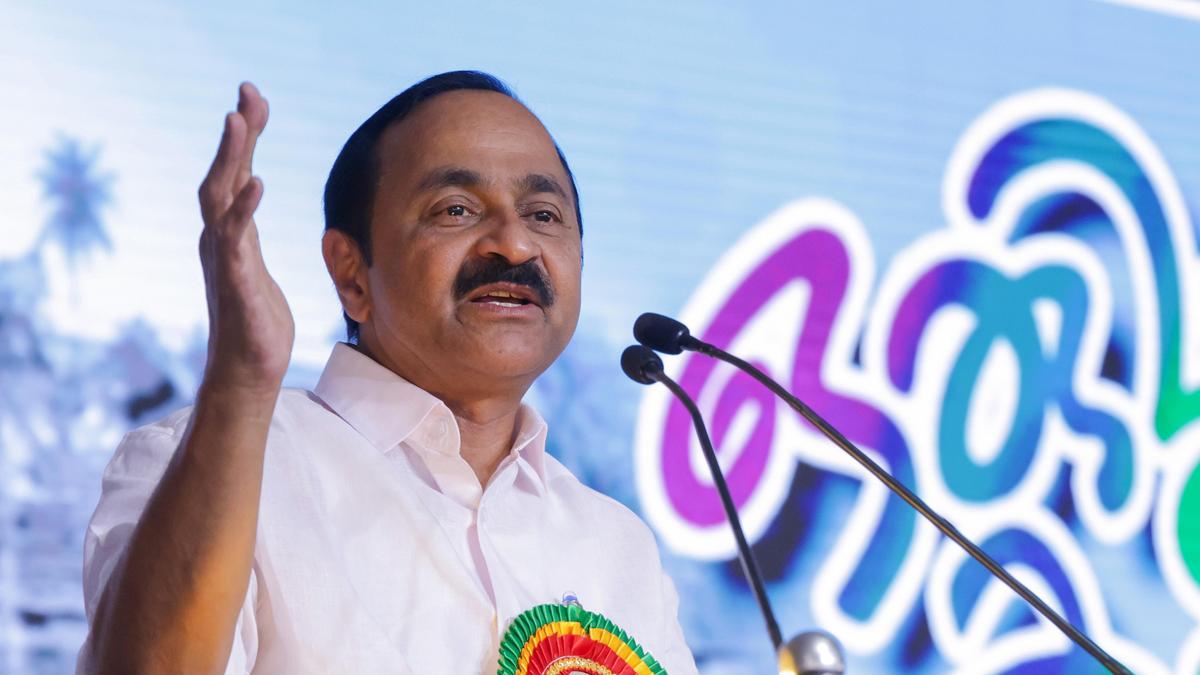
The Kerala Cabinet, led by Chief Minister V.D. Satheesan, has officially dissolved the Loka Kerala Sabha (LKS) due to concerns over inefficiency and excessive expenditure. A new cabinet sub-committee has been formed to establish a more effective mechanism for supporting expatriate Keralites.
Transitioning Kerala's Expatriate Policy: The Dissolution of Loka Kerala Sabha
On September 23, 2026, the Kerala Cabinet, under the leadership of Chief Minister V.D. Satheesan, reached a significant administrative milestone by formally deciding to dissolve the Loka Kerala Sabha (LKS). This decision marks a definitive shift in the state government's approach toward managing the affairs and welfare of its vast expatriate population. By opting to dismantle an institution that has been a cornerstone of the previous administration's outreach, the government is signaling a pivot toward more pragmatic and fiscally responsible governance.
The Rationale Behind the Dissolution
The primary justification provided by Chief Minister Satheesan for this move centers on the perceived failure of the LKS to translate its objectives into tangible outcomes. Established in 2018 by the CPI(M)-led Left Democratic Front (LDF), the LKS was designed as a global forum to connect Keralites living abroad with their home state. However, the current administration has criticized the body for its lack of implementation efficacy. Beyond operational hurdles, the government pointed to "extravagance and expense" as key factors, suggesting that the resource allocation for the LKS did not yield proportional benefits for the migrant community.
Establishing a New Governance Mechanism
To fill the vacuum created by the dissolution, the Cabinet has acted decisively by constituting a high-level sub-committee. This body, chaired by the Chief Minister himself, includes key cabinet members: Home Minister Ramesh Chennithala, Industries Minister P.K. Kunhalikutty, Health Minister K. Muraleedharan, and Water Resources Minister Mons Joseph. This composition indicates a multi-departmental approach, aiming to integrate expatriate welfare into the broader streams of industrial growth, healthcare, and infrastructure development.
Historical Context and Policy Evolution
The Loka Kerala Sabha was originally envisioned as a permanent platform for the diaspora to contribute to the state's development. Its dissolution reflects the inherent challenges of maintaining such broad, consultative bodies, which often face criticism regarding their bureaucratic nature and the gap between discourse and action. By replacing it with a cabinet-led sub-committee, the current government is attempting to centralize decision-making, likely to ensure that future initiatives are more directly accountable to the state cabinet and aligned with current fiscal priorities.
Implications for the Diaspora
For the millions of Keralites living abroad, the dissolution of the LKS raises questions about how their voices will be represented in state policy moving forward. The government’s stated intent is to create an alternative mechanism that "benefits expatriate Keralites" more effectively. Whether this new model will involve a more decentralized approach or a streamlined digital interface remains to be seen. The inclusion of senior ministers from various portfolios suggests that the government intends to address expatriate issues not as a standalone concern, but as a cross-sectoral priority.
Future Outlook
As the sub-committee begins its work, the focus will undoubtedly be on proving that the new mechanism can deliver where its predecessor allegedly failed. The success of this transition will depend on the government’s ability to foster genuine engagement with the diaspora while maintaining strict fiscal discipline. If the new committee can successfully implement policy changes that provide tangible support to expatriates—such as repatriation assistance, investment facilitation, or social security—it will likely validate the decision to move away from the LKS model and set a new standard for diaspora relations in Indian state politics.
Verification Required?