‘Arrest Gyanesh Kumar, cancel recent elections’: Arvind Kejriwal on Express investigation
Source Entity
Jatin Anand, Abhishek Chakraborty
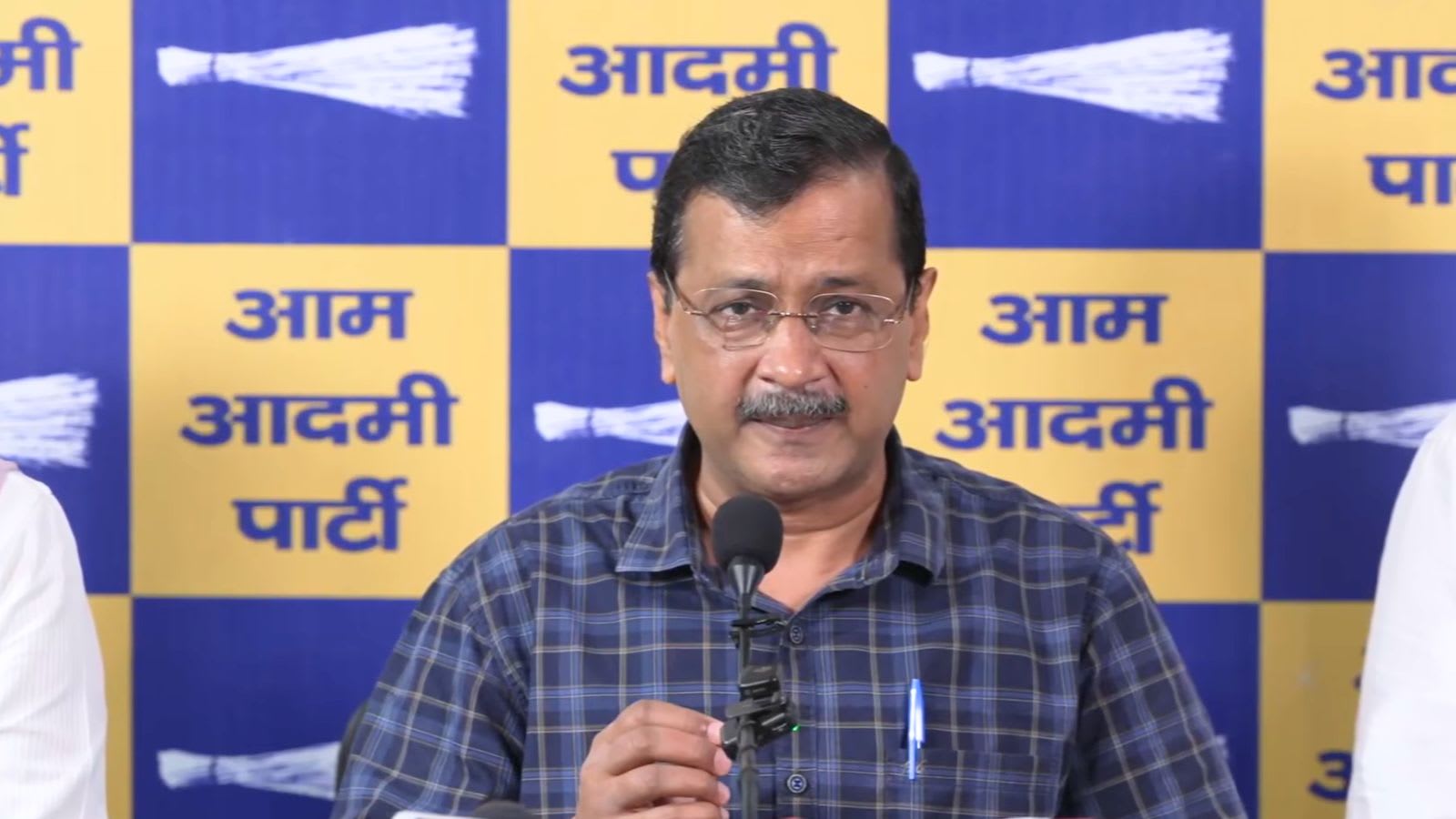
Samajwadi Party leader Akhilesh Yadav has launched the 'PDA Rath Yatra' in Uttar Pradesh to prepare for the 2027 assembly elections. Meanwhile, the Supreme Court is scrutinizing the Delhi election commission over the exclusion of 47 lakh names from draft electoral rolls.
Shifting Political Landscapes: SP's 2027 Strategy and Electoral Integrity
The PDA Rath Yatra: A Strategic Push in Uttar Pradesh
Samajwadi Party (SP) chief Akhilesh Yadav has officially commenced the 'PDA Rath Yatra' in Raebareli, signaling an early start to the party's mobilization efforts for the 2027 Uttar Pradesh Assembly elections. By focusing on the 'PDA' framework—representing Pichde (Backward), Dalit, and Alpasankhyak (Minorities)—Yadav is aiming to consolidate a core voter base that has historically been pivotal in the state's electoral outcomes. This grassroots outreach campaign is designed to build momentum well in advance of the polling dates, setting the stage for a high-stakes contest in India's most populous state.
Electoral Roll Controversies in Delhi
Parallel to the developments in Uttar Pradesh, the electoral landscape in the National Capital Territory of Delhi is facing significant scrutiny. The Election Commission of India (ECI) and local election bodies have been questioned by the Supreme Court regarding the 'Summary Electoral Roll' (SIR) revision process. The controversy stems from the exclusion of approximately 47 lakh names from the draft electoral rolls, a move that has drawn sharp criticism from the Aam Aadmi Party (AAP) and prompted judicial intervention to ensure democratic transparency.
The Intersection of Voter Rights and Administration
While the SP's campaign focuses on political mobilization, the row over Delhi's voter lists highlights the administrative challenges of maintaining accurate electoral rolls. The election body has clarified that the issuance of notices does not automatically equate to the deletion of names; however, the sheer volume of exclusions—47 lakh—has created a climate of apprehension. The Supreme Court's involvement underscores the necessity of maintaining a robust and inclusive electoral process, as any perceived irregularities can significantly impact the legitimacy of future electoral outcomes.
Future Trends and Implications
Looking ahead, the political climate in North India is likely to remain intense. For the Samajwadi Party, the success of the PDA Rath Yatra will depend on its ability to translate outreach into a cohesive voting bloc by 2027. Simultaneously, the resolution of the Delhi electoral roll row will be a critical benchmark for the Election Commission. Future trends suggest that political parties will increasingly rely on data-driven voter engagement, making the integrity of the electoral roll a central pillar of political discourse.
Concluding Summary
In conclusion, these developments reflect two distinct but equally vital aspects of the Indian democratic process: active political campaigning and the protection of voter rights. While Akhilesh Yadav seeks to redefine the SP’s electoral narrative through the PDA framework, the judicial oversight in Delhi serves as a reminder of the vigilance required to protect the sanctity of the ballot. Both events will play a defining role in the political trajectory of the coming years.
Multiple Citing Sources