Texas turning blue may hinge on Democrats harnessing data center opposition
Source Entity
US Top News and Analysis
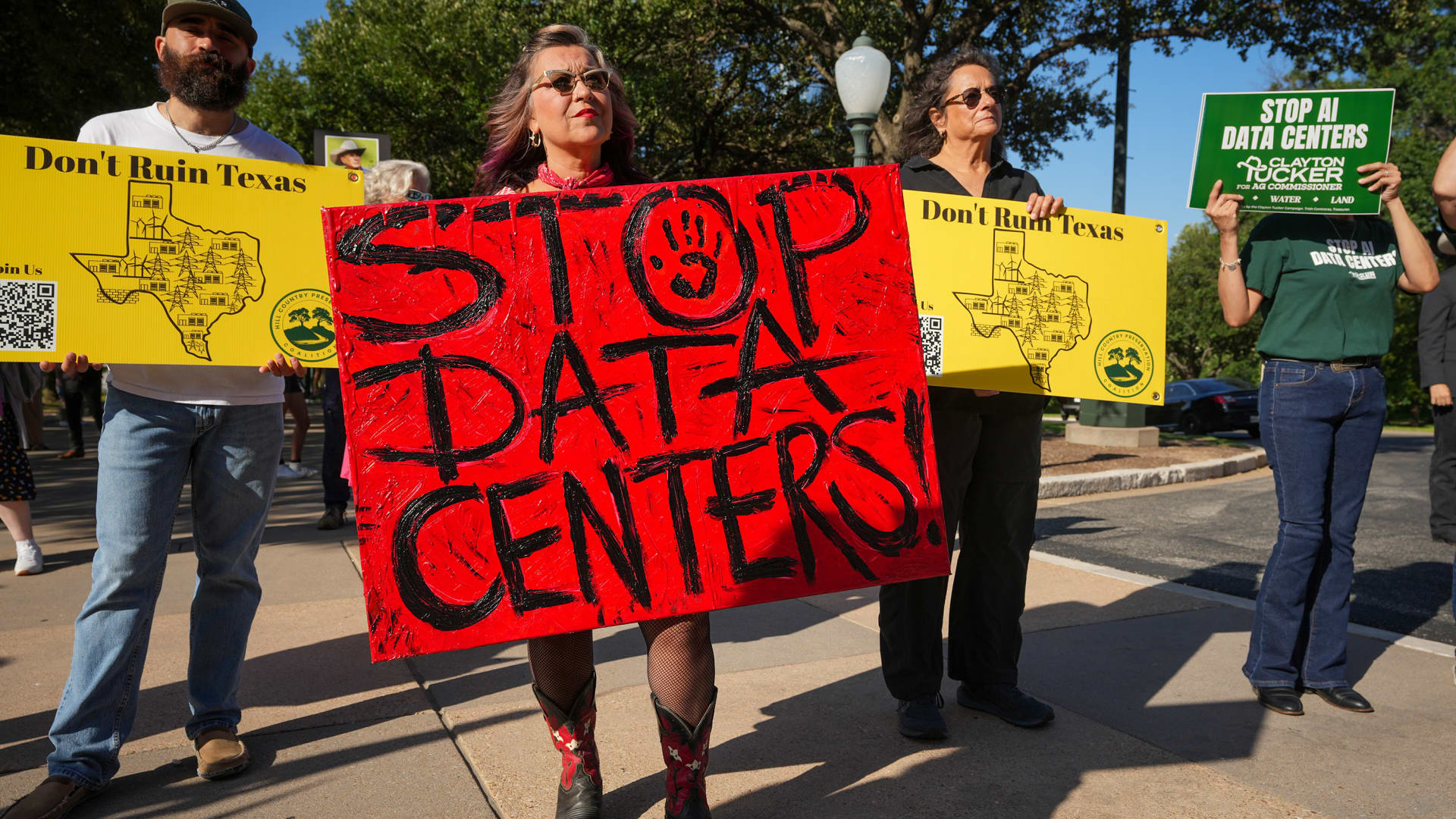
Opposition to the rapid expansion of data centers in Texas is emerging as a pivotal issue for the 2026 election cycle. Voters are increasingly concerned about the strain these facilities place on local power grids, water supplies, and household utility costs.
The Data Center Dilemma: A New Political Flashpoint in Texas
The Rise of Grassroots Opposition
The narrative surrounding Texas' political future is undergoing a transformation, as evidenced by the growing resistance to the proliferation of data centers. Residents like Mason McCallister, who stumbled upon survey markers for a proposed facility in Bells, Texas, represent a burgeoning movement of citizens concerned about industrial encroachment. This sentiment is no longer isolated to small towns; it is evolving into a significant political force that could disrupt the state's traditional electoral landscape.
Infrastructure Strains and Resource Management
At the heart of this opposition are fundamental concerns regarding the sustainability of the state's infrastructure. Data centers are notoriously power-intensive and require vast amounts of water for cooling systems. As these facilities multiply, local communities are raising alarms about the potential for increased utility costs and the strain on the ERCOT power grid. The intersection of rapid industrial growth and the finite nature of local resources creates a friction point that candidates in the 2026 cycle must address.
Political Implications for 2026
The 2026 Texas gubernatorial and Senate races are set to be influenced by how effectively Democrats and other opposition groups can harness this localized discontent. If the Democratic party can successfully frame the unchecked expansion of data centers as a failure of incumbent governance regarding consumer protection and resource management, they may find a new path to broaden their coalition. The issue bridges the gap between rural land-use concerns and suburban worries about inflation and cost of living.
A Shift in the Political Calculus
Historically, Texas politics has been dominated by debates over energy policy, border security, and tax rates. However, the emergence of the data center debate signals a shift toward 'quality of life' and 'infrastructure security' as primary voter priorities. This transition forces both parties to weigh the economic benefits of tech-sector investment against the immediate, tangible impacts on the daily lives of their constituents.
Future Trends and Concluding Outlook
Looking ahead, we can expect the debate over data center regulation to intensify as the 2026 primary season approaches. If the current trend continues, candidates who fail to articulate a clear vision for sustainable infrastructure development may find themselves out of step with a populace increasingly wary of industrial expansion. Ultimately, the ability to balance the demands of the digital economy with the needs of local communities will serve as a definitive litmus test for political viability in the state of Texas.