"Differing Views Part Of Deliberation": Election Commission's Full Statement Amid Row
Source Entity
NDTV News Search Records Found 1000
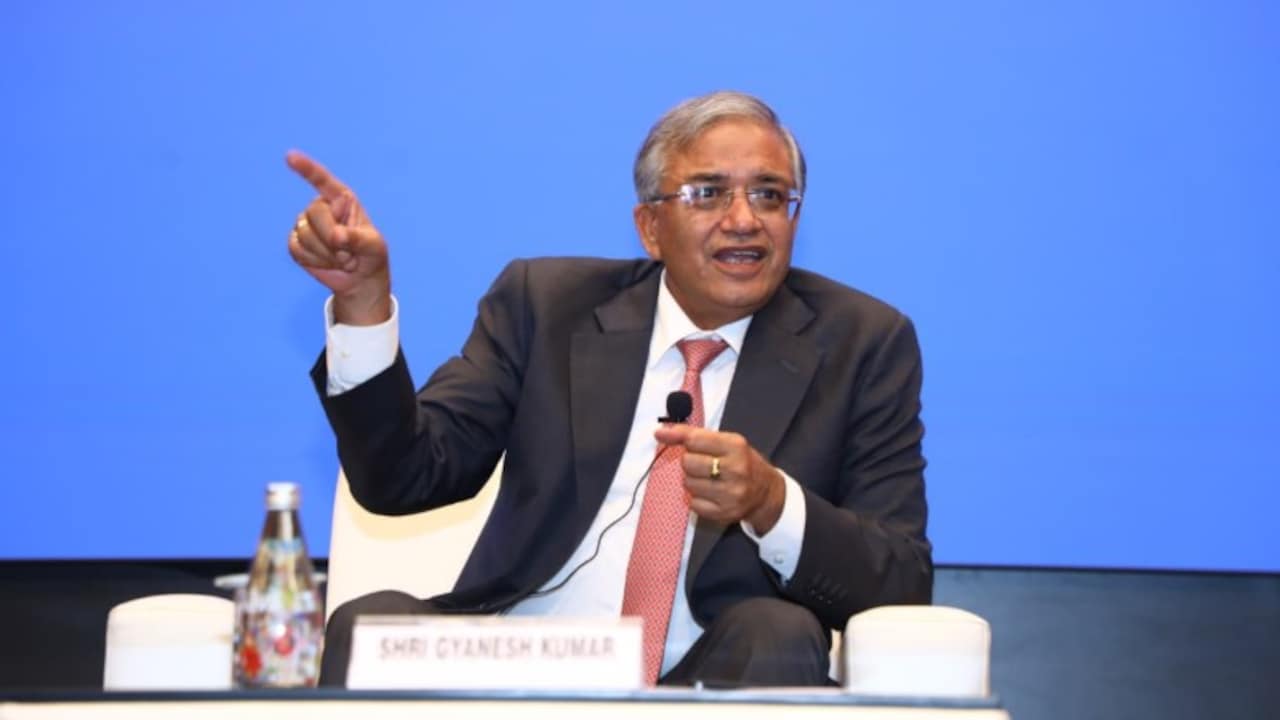
Samajwadi Party leader Akhilesh Yadav has launched the PDA Rath Yatra for the 2027 UP elections, while Arvind Kejriwal has demanded the arrest of CEC Gyanesh Kumar following allegations of electoral irregularities. These developments highlight deepening tensions regarding electoral integrity and political mobilization in India.
Shifting Political Landscapes: Elections and Accountability
The Launch of the PDA Rath Yatra
Samajwadi Party (SP) chief Akhilesh Yadav has officially commenced the 'PDA Rath Yatra' in Raebareli, signaling an early and aggressive start to the 2027 Uttar Pradesh Assembly elections. The 'PDA' framework, a core pillar of the SP's recent political strategy, focuses on marginalized sections of society—specifically Backward classes, Dalits, and Minorities. By launching this campaign in Raebareli, a region with deep historical political significance, Yadav is clearly aiming to reclaim ground and build momentum well ahead of the polling cycle, seeking to solidify his base and challenge the current political hegemony in the state.
Allegations Against the Election Commission
Parallel to the SP's campaign preparations, the national political discourse has been rocked by severe allegations leveled by former Delhi Chief Minister Arvind Kejriwal against Chief Election Commissioner (CEC) Gyanesh Kumar. Following a detailed investigation by The Indian Express, which reported that two out of three Election Commissioners felt sidelined in decision-making processes, Kejriwal has called for the arrest of the CEC. These accusations center on the alleged manipulation of voter rolls, including the controversial deletion of names and the suspicious addition of new voters, which the opposition claims have compromised the sanctity of recent electoral processes.
The Controversy Surrounding Gyanesh Kumar
CEC Gyanesh Kumar, the first official appointed under a new, government-favored selection law, faces intense scrutiny regarding his 19-month tenure. The Indian Express investigation highlights a "rupture" within the commission, suggesting that the internal functioning of the ECI has become increasingly opaque. Critics, particularly from opposition factions like the Congress, have argued that the Special Intensive Revision (SIR) of voter lists was orchestrated to favor the ruling party. Kumar has consistently denied these allegations, yet the public nature of the internal discord has significantly damaged the perceived neutrality of the constitutional body.
Broader Implications for Democracy
The intersection of these two stories reveals a volatile political environment where the legitimacy of electoral institutions is being directly challenged. Kejriwal's demand for the cancellation of elections in states like Delhi, Maharashtra, and West Bengal, alongside the reinstatement of older electoral rolls, represents a radical escalation in opposition rhetoric. This atmosphere of distrust places immense pressure on the Election Commission to demonstrate transparency and independence, especially as major parties like the Samajwadi Party begin their multi-year campaign cycles.
Future Trends and Electoral Outlook
As we look toward the 2027 assembly elections, the focus will likely remain on the integrity of the voter registration process. If the allegations of systemic bias within the ECI continue to gain traction, it could lead to increased judicial intervention or demands for electoral reform. For Akhilesh Yadav and the SP, the PDA Yatra serves not just as a mobilization tool but as a platform to voice these concerns to the public. The coming months will likely see a hardening of lines, with opposition parties demanding greater oversight of the election machinery, setting the stage for a highly contentious electoral cycle.
Multiple Citing Sources
Verification Required?