Congress MLA resigns after Indi and Chadchan taluks not included in drought-hit list in Karnataka
Source Entity
India Latest News: Top National Headlines Today & Breaking News | The Hindu
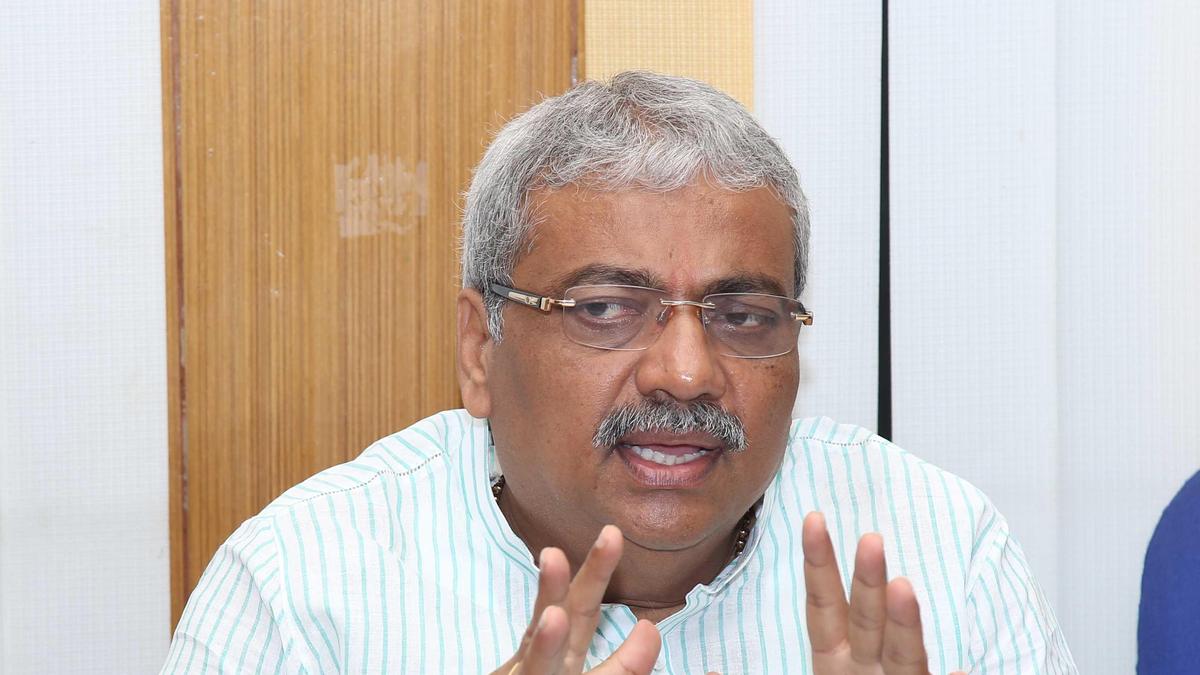
Congress MLA Yashavant Rayagoud V. Patil has resigned for the second time this year, protesting the exclusion of Indi and Chadchan taluks from Karnataka's drought-hit list. This move highlights growing internal tensions within the state government regarding regional resource allocation.
Legislative Protest in Karnataka: The Resignation of Yashavant Rayagoud V. Patil
The Catalyst for Resignation
Yashavant Rayagoud V. Patil, a Congress MLA representing the Indi constituency in Karnataka's Vijayapura district, has formally submitted his resignation to Assembly Speaker Gurupadagouda Sanganagouda Patil. The primary driver for this drastic political maneuver is the state government's decision to exclude Indi and Chadchan taluks from the official list of drought-hit areas. For an agrarian region heavily dependent on rainfall, the 'drought-hit' designation is a vital lifeline, unlocking essential financial assistance, crop insurance payouts, and administrative support for farmers facing severe water scarcity.
Patterns of Political Pressure
This incident marks the second time within a single calendar year that Patil has tendered his resignation, signaling a volatile relationship with his party leadership. Previously, Patil resigned following his exclusion from the state cabinet, an act that underlined his dissatisfaction with the distribution of ministerial berths. While he eventually withdrew that initial resignation to focus on serving his constituents, the repetition of this tactic suggests a pattern of using the resignation instrument as a tool of political leverage to capture the attention of the Karnataka government.
Economic Implications for Vijayapura District
The exclusion of Indi and Chadchan from the drought-affected list has profound economic implications for the local population. By bypassing these areas, the administration risks alienating a significant rural voter base that relies on government intervention during climate-induced agricultural crises. The lack of drought recognition limits the ability of the local administration to provide relief measures, which can lead to economic stagnation, increased debt among farmers, and potential migration in search of labor, thereby exacerbating the socio-economic challenges already present in northern Karnataka.
Broader Political Tensions
Patil’s public confrontation with the state government reflects a wider trend of regional grievances within Karnataka's political landscape. When MLAs feel their specific constituencies are being overlooked in critical policy decisions—such as disaster management or cabinet appointments—they often resort to high-profile acts of defiance to signal their frustration to the party high command. This resignation serves as a litmus test for the state government’s ability to manage internal dissent and maintain cohesion among its regional leaders while addressing the pressing needs of the state's most vulnerable districts.
Future Outlook and Political Resolution
The resolution of this crisis will likely depend on whether the Karnataka government reassesses the drought status of Indi and Chadchan. Should the administration concede to Patil’s demands, it would serve to appease both the legislator and his constituents, potentially stabilizing his position within the party. However, if the government maintains its current stance, the situation could further erode the influence of the Congress leadership in Vijayapura. Moving forward, the state's ability to balance fiscal constraints with the legitimate demands of regional representatives will remain a focal point of Karnataka's political stability.
Verification Required?