'Stop contesting polls': CJP's 'fixed match' msg to oppn parties amid SIR row
Source Entity
HADI KHAN
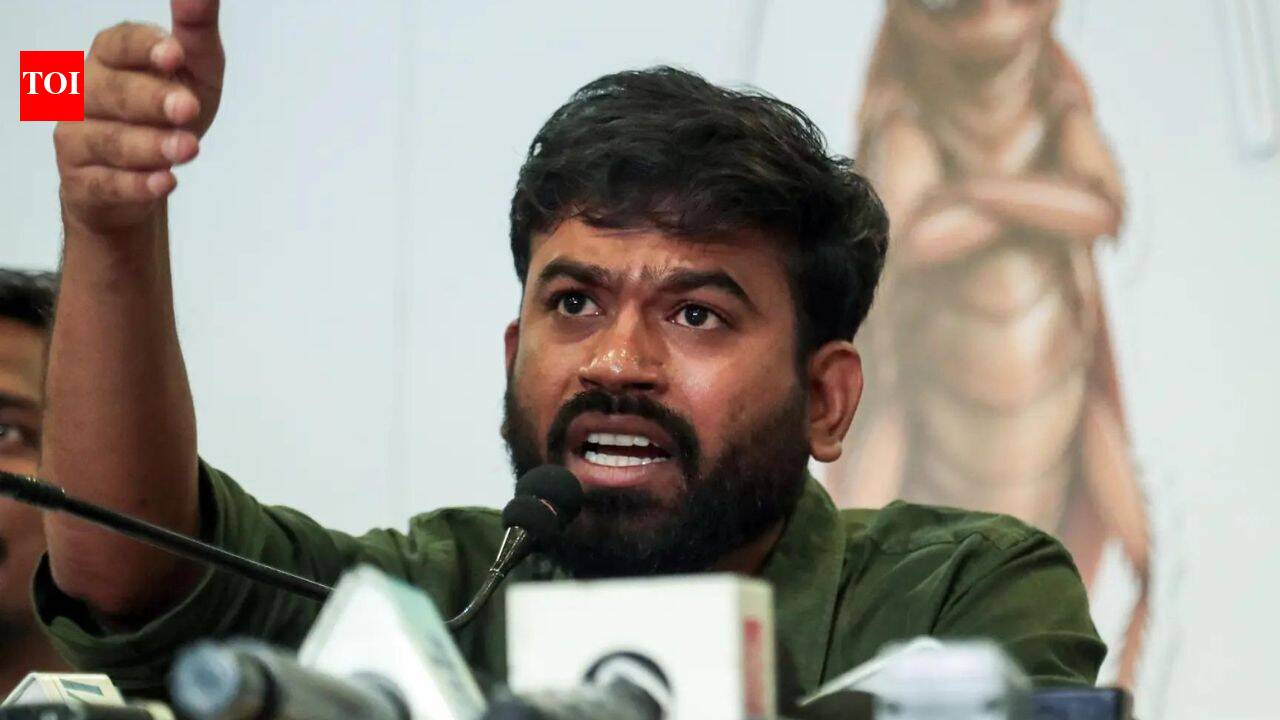
Cockroach Janta Party founder Abhijeet Dipke has urged opposition parties to boycott elections, claiming their participation legitimizes a rigged system. He likens the current electoral landscape to a 'fixed match' designed to maintain the appearance of democratic competition.
The 'Fixed Match' Allegation: A Crisis of Electoral Legitimacy
Abhijeet Dipke, the founder of the Cockroach Janta Party (CJP), has ignited a contentious debate by calling for opposition parties to cease contesting elections. His argument centers on the premise that continued participation in a process perceived as inherently flawed serves only to provide a veneer of legitimacy to an undemocratic system. By engaging in these contests, Dipke suggests, the opposition inadvertently sustains the illusion of free and fair democratic procedures.
The Anatomy of a 'Fixed Match'
Dipke’s analogy of a 'fixed match' in cricket serves as a poignant critique of modern electoral strategy. He posits that electoral bodies may strategically allow the opposition to secure minor, symbolic victories—referred to as 'crumbs'—to maintain public perception of a genuine political contest. This maneuver ensures that the outcome remains controlled while keeping the opposition invested in the system, thereby preventing a total loss of faith in the democratic framework from the electorate.
Institutional Friction and Skepticism
This call to action follows a period of heightened scrutiny regarding the Election Commission of India (ECI), particularly surrounding the 'SIR' row and reports of internal dissent. When election commissioners openly object to the decisions of the commission, it fuels public anxiety about the neutrality of the institution. Dipke leverages this climate of skepticism to argue that the institutional framework itself is no longer a neutral arbiter of the people's will.
The Strategic Dilemma of Boycotts
Historically, the decision to boycott elections is a double-edged sword for political parties. While it serves as a powerful protest against perceived systemic manipulation, it also risks political irrelevance and the loss of parliamentary standing. Dipke’s demand forces a confrontation with this dilemma, challenging parties to weigh the long-term health of democracy against the immediate necessity of political survival.
Future Implications for Electoral Integrity
Looking ahead, Dipke’s rhetoric suggests that if his demands for greater transparency and integrity are ignored, the CJP may move toward more aggressive forms of agitation. This signals a potential shift from parliamentary opposition to extra-parliamentary pressure, which could significantly alter the political landscape. The discourse sparked by Dipke highlights a growing trend where political actors are increasingly willing to question the fundamental legitimacy of state institutions to mobilize their base.
Conclusion
Ultimately, the controversy surrounding Dipke’s comments reflects a profound crisis of confidence in the democratic process. Whether his call for a boycott gains traction or remains a fringe sentiment, it underscores a critical need for institutional reform to restore trust. The debate now rests on whether the opposition chooses to continue operating within a system they claim is rigged, or if they will heed the call to delegitimize the process through collective withdrawal.