Ruckus in J&K assembly: BJP MLAs tear up statehood resolution moved by CM Omar
Source Entity
NASEER GANAI
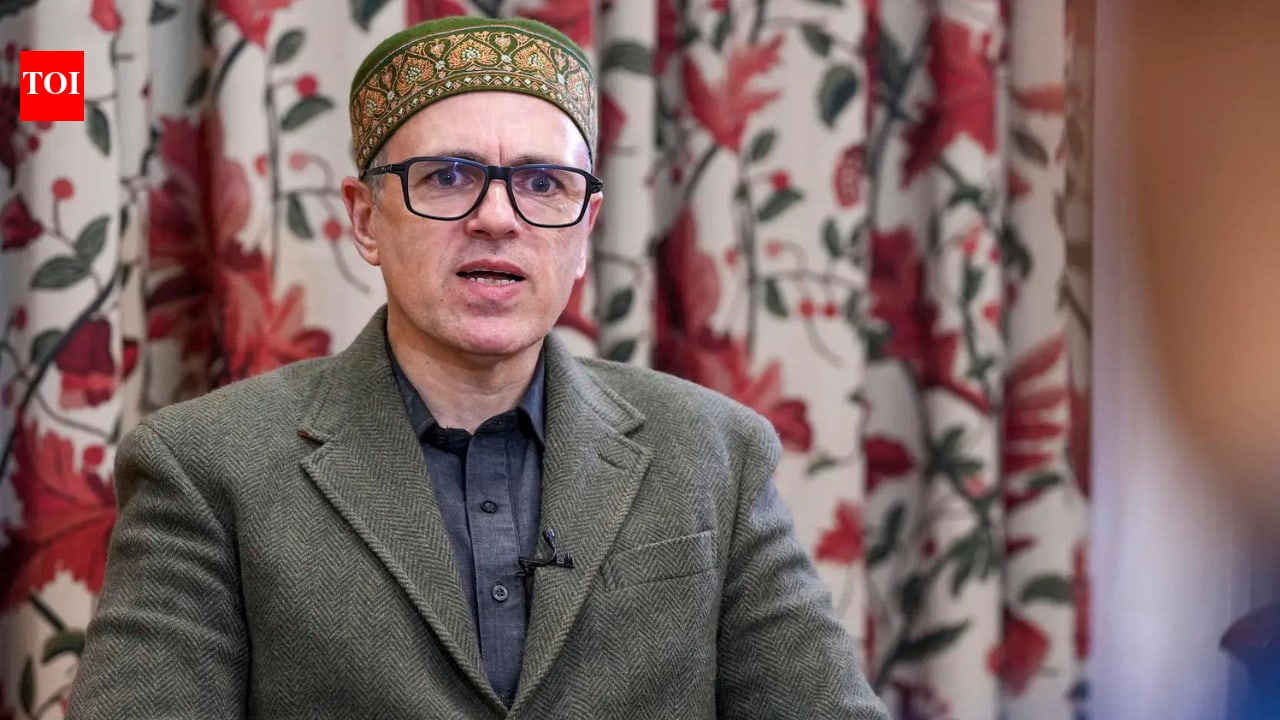
Tensions flared in the Jammu and Kashmir Assembly as BJP MLAs protested a statehood resolution introduced by Chief Minister Omar Abdullah. The incident underscores deep-seated political divisions regarding the region's constitutional status.
Political Turmoil in the Jammu and Kashmir Assembly
The recent legislative session in the Jammu and Kashmir Assembly descended into chaos as Bharatiya Janata Party (BJP) MLAs vehemently protested a resolution moved by Chief Minister Omar Abdullah. The resolution, which seeks to address the restoration of statehood for the region, triggered an immediate and aggressive response from the opposition benches. The act of tearing up the resolution papers serves as a visual manifestation of the profound polarization that continues to define the political landscape of the union territory.
The Core Conflict Over Statehood
At the heart of the disruption is the ongoing debate over the constitutional status of Jammu and Kashmir. Since the reorganization of the state in 2019, the demand for the restoration of full statehood has been a primary platform for local political parties, including the National Conference led by Omar Abdullah. The BJP, however, has maintained that the current administrative structure is essential for security and integration, leading to a fundamental clash of ideologies that frequently paralyzes legislative proceedings.
Legislative Challenges and Democratic Norms
This incident highlights the significant challenges facing the newly elected legislative assembly. When political discourse shifts from debate to physical confrontation, it undermines the institutional integrity of the body tasked with governance. The tearing of official documents is not merely a protest; it is a signal of the breakdown of parliamentary decorum that is necessary for navigating the complex administrative transition of a region that has undergone such radical constitutional changes.
Historical Context of Regional Governance
To understand this ruckus, one must view it through the lens of the historical transition that occurred in 2019. The revocation of special status and the subsequent bifurcation of the state into two union territories created a vacuum of political agency that local parties have been attempting to reclaim through democratic means. The opposition's reaction reflects a broader strategy of resistance against efforts to reverse or modify the policies implemented by the central government during that period.
Future Trends and Political Stability
Moving forward, the relationship between the ruling administration and the opposition in the Jammu and Kashmir Assembly is likely to remain volatile. As the government continues to push for statehood—a promise that carries significant weight with the local electorate—the BJP is expected to continue its role as a disruptive opposition. This tension suggests that future legislative sessions will likely be marked by similar confrontations, potentially slowing down the implementation of local policies and the normalization of regional political processes.