Tale of two cities: 'VIP voters' cleared for final rolls; elsewhere, it's livelihoods vs vote
Source Entity
ALOKKNMISHRA AND NEHA MISHRA
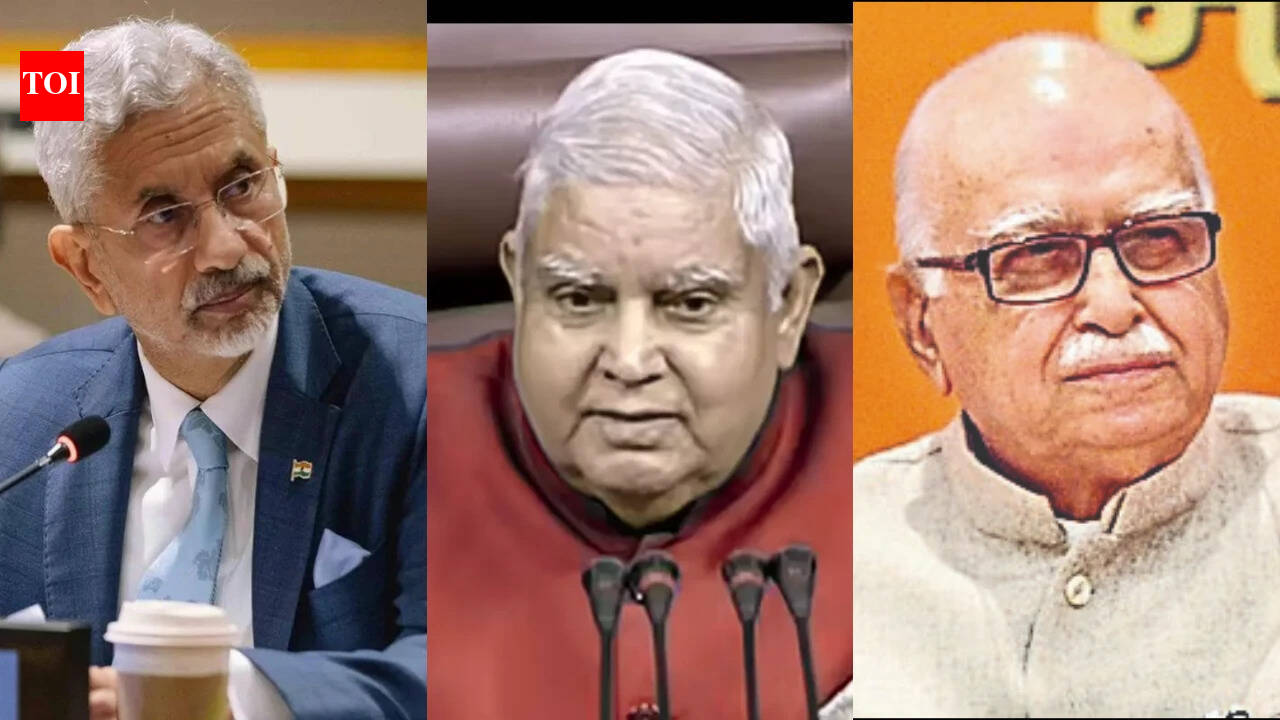
The Election Commission is finalizing electoral rolls amidst a mix of VIP verifications and public controversy over the Special Intensive Revision (SIR) process. While over 2 crore Gen Z voters have been added, critics are demanding an inquiry into alleged transparency issues and voter deletions.
The Integrity of Electoral Rolls: Balancing Efficiency and Public Trust
The VIP Verification Process
Recent developments in the electoral roll preparation process have highlighted a dual-track experience in India’s democratic machinery. In New Delhi, the Election Commission (EC) has successfully completed the validation of electoral entries for high-profile figures, including External Affairs Minister S. Jaishankar, Vice President Jagdeep Dhankhar, and Army Chief Upendra Dwivedi. These individuals were subjected to the Special Intensive Revision (SIR) notices, a standard administrative procedure designed to confirm the accuracy of voter details. By ensuring that prominent citizens are accurately registered, the EC aims to maintain the integrity of the voter database at the highest levels of governance.
Scaling Voter Participation
Beyond the focus on VIPs, the broader electoral landscape shows significant growth in the electorate. The Election Commission has reported that over 2 crore Gen Z voters have been added to the rolls since the inception of the SIR process in 2025. This surge in youth participation represents a critical shift in India’s democratic demographic, reflecting an intensified effort by the poll body to capture new voters through continuous updates. This ongoing maintenance of the electoral rolls post-publication is essential to ensuring that the democratic process remains dynamic and inclusive of the nation's youngest eligible citizens.
Contesting the SIR Methodology
Despite these administrative successes, the SIR process has become a flashpoint for political and legal controversy. A petition has been filed in the Supreme Court seeking the prosecution of Election Commissioner Gyanesh Kumar, alongside demands for a Special Investigation Team (SIT) inquiry. The legal challenge stems from widespread concerns regarding the lack of transparency, the unilateral nature of decision-making, and reports of voter deletions. Critics argue that the criteria used to verify or exclude voters have not been sufficiently communicated to the public, leading to fears of systemic disenfranchisement.
The Livelihood vs. Franchise Debate
For the average citizen, the electoral revision process presents a stark contrast to the experience of VIPs. While high-profile individuals receive direct notifications and streamlined verification, many ordinary voters find themselves caught between the demands of their livelihoods and the bureaucratic requirements of maintaining their franchise. The 'tale of two cities' narrative suggests that the burden of proof for residency and identity often weighs more heavily on those without the resources to navigate complex digital or physical verification systems, potentially creating an unequal playing field in the exercise of voting rights.
Future Implications for Indian Democracy
Looking ahead, the tension surrounding the electoral rolls will likely shape future discourse on electoral reform. The Supreme Court's involvement signals that the judiciary will play a pivotal role in determining whether the EC’s current administrative procedures meet the constitutional requirements for transparency and fairness. If the allegations of arbitrary deletions are not addressed with clear, evidence-based rebuttals, the Election Commission may face a crisis of legitimacy that could dampen voter turnout and public confidence in future elections.
Conclusion
The dual realities of rapid youth registration and allegations of opaque voter management underscore the complexity of managing the world's largest electorate. While the addition of 2 crore Gen Z voters is a commendable achievement for the EC, the institution must bridge the trust gap caused by the SIR controversy. Moving forward, the balance between technological efficiency and democratic accountability will remain the defining challenge for the integrity of India's electoral system.