What does the Centre’s new mining law say and why are states opposing it?
Source Entity
The Indian Express
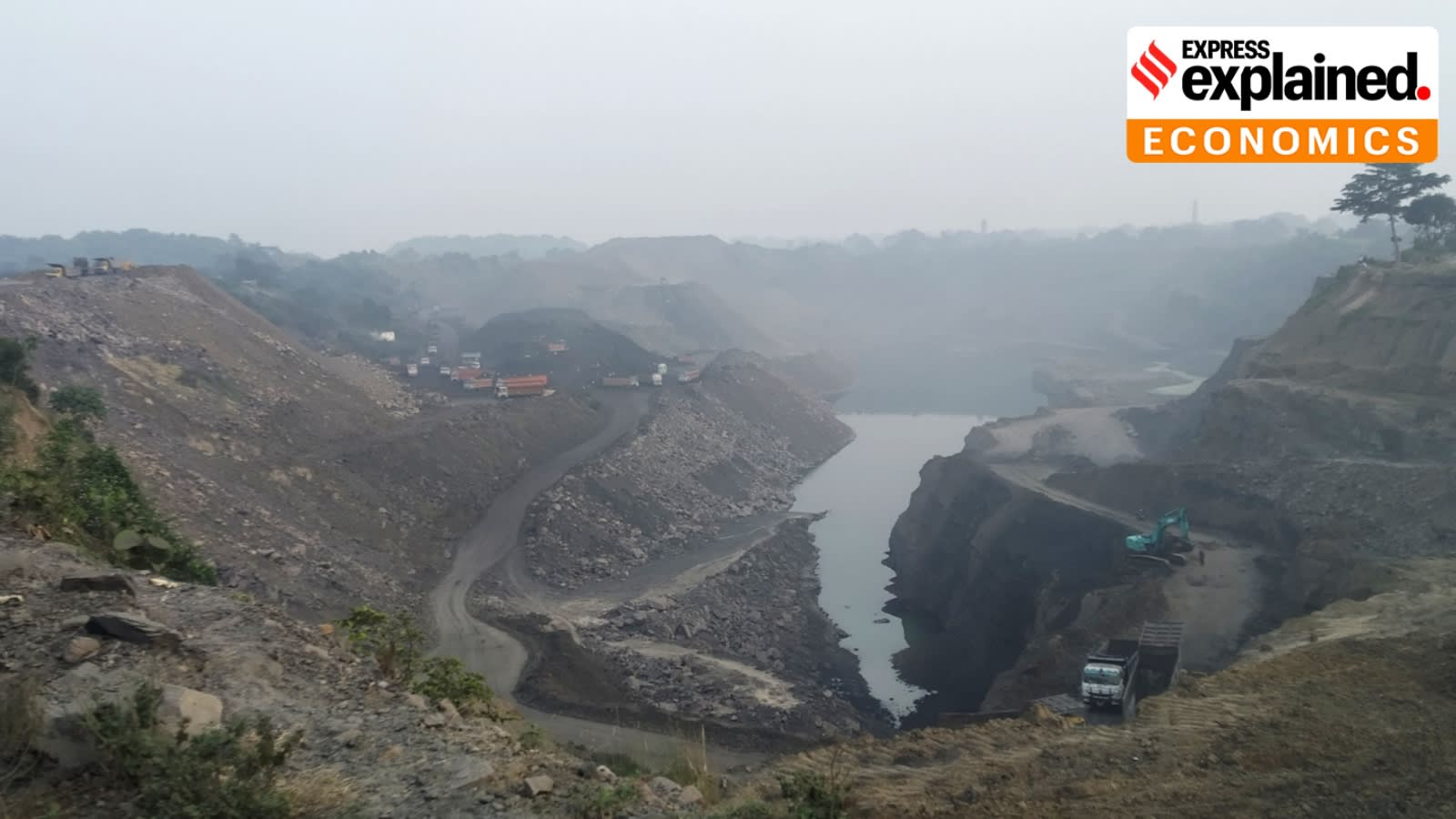
The Indian Parliament's recent amendment to the Mines and Minerals (Development and Regulation) Act has sparked significant unrest in Odisha. Opposition parties claim the new national tax framework undermines the fiscal autonomy and constitutional rights of mineral-rich states.
The Legislative Shift in India's Mining Sector
The recent passage of the amended Mines and Minerals (Development and Regulation) Act by the Indian Parliament in August has ignited a significant political firestorm. At its core, the legislation seeks to establish a uniform national tax framework for major minerals, aiming to streamline the regulatory landscape across the country. However, this push for centralization has collided directly with the economic interests and legislative priorities of mineral-rich states, most notably Odisha.
The Source of Contention in Odisha
For several days, the Odisha Assembly has been paralyzed by protests, with Opposition BJD and Congress MLAs staging disruptions to voice their dissent. By donning black scarves and raising slogans, these legislators are signaling a deep-seated frustration with what they perceive as an encroachment on state sovereignty. The central grievance is that the new law explicitly limits the powers of individual states to levy taxes on mining lands, thereby stripping them of a critical revenue stream that has historically supported their regional development.
Economic Implications for Resource-Rich States
States like Odisha possess economies that are fundamentally intertwined with the extraction and processing of mineral resources. The ability to levy local taxes on mining activities has long served as a primary mechanism for these states to recoup the costs of infrastructure development and environmental management associated with mining operations. By capping these local taxing authorities, the new national framework threatens to disrupt the fiscal stability of these regions, potentially limiting their capacity to fund local welfare and developmental projects.
The Debate Over Federalism
The legislative dispute highlights a recurring tension in Indian federalism: the balance between national economic standardization and the autonomy of state governments. Proponents of the Act argue that a uniform framework is necessary to create a predictable investment climate and prevent inter-state disparities. Conversely, critics argue that the law effectively "snatches the rights" of states, asserting that those bearing the ecological and social burdens of mining should retain the primary right to tax the resources extracted from their soil.
Future Trajectory and Policy Outlook
The ongoing disruptions in the Odisha Assembly reflect a broader skepticism among mineral-rich states regarding the centralization of resource management. As these states continue to demand the repeal or significant modification of the Act, the central government faces the challenge of reconciling its vision for a unified national market with the constitutional rights of states. The outcome of this standoff will likely set a precedent for how India manages the intersection of industrial development, fiscal policy, and federal governance in the years to come.