Students should solve their issues with V-Cs through talks, says Keralam Governor
Source Entity
India Latest News: Top National Headlines Today & Breaking News | The Hindu
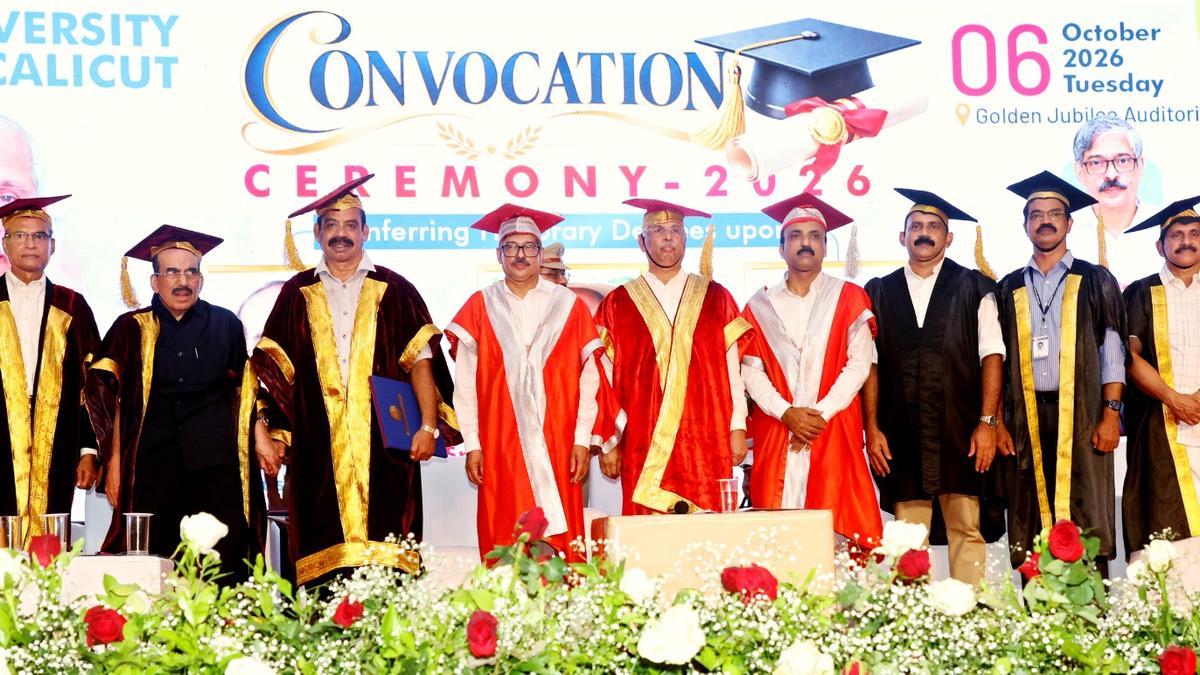
Kerala Governor Rajendra Vishwanath Arlekar has urged student organizations to resolve grievances through dialogue with university officials rather than street protests. The remarks were made during an honorary degree ceremony at the University of Calicut.
Promoting Dialogue over Agitation in Kerala's Higher Education
During a recent honorary doctorate convocation at the University of Calicut, Kerala Governor Rajendra Vishwanath Arlekar issued a pointed call for reform in how student-administration conflicts are handled. Acting in his capacity as the Chancellor of state universities, the Governor advocated for a shift away from the tradition of street-level agitations, urging student organizations to engage in constructive dialogue with Vice-Chancellors (V-Cs) to resolve grievances.
The Context of the Ceremony
The Governor’s remarks were delivered on Tuesday, October 6, at the Tenhipalam campus in the Malappuram district. The event served as a formal recognition of excellence, where honorary degrees were conferred upon distinguished individuals. Filmmaker Sathyan Anthikad and industrialist P.K. Ahammed were honored with Doctor of Letters (DLitt) degrees, while renowned scientist E.D. Jemmis received a Doctor of Science (DSc) degree, highlighting the university's commitment to acknowledging contributions across diverse fields.
Addressing the Culture of Protest
Governor Arlekar’s commentary addresses a long-standing tension within Kerala’s academic landscape, where student political activism frequently manifests as public demonstrations. By questioning the efficacy of street protests, the Governor suggested that such methods may be outdated or counterproductive. He emphasized that the administrative doors are open, not only to Vice-Chancellors but to his own office as Chancellor, signaling a desire for a more centralized and diplomatic grievance redressal mechanism.
Broader Implications for Governance
This call for institutional dialogue reflects a broader governance challenge: balancing the democratic right to dissent with the need for academic stability. In many Indian states, the role of the Governor as Chancellor is often subject to intense political scrutiny and friction. By inviting students to approach his office directly, Arlekar is attempting to de-escalate tensions and reposition the Chancellor’s office as a mediator rather than a distant authority figure.
Future Trends in Campus Relations
If successful, this approach could foster a more collaborative campus culture where administrative disputes are settled through formal negotiations rather than disruptions. However, the effectiveness of this request remains to be seen, as it requires both the willingness of student organizations to engage in private talks and the responsiveness of university leadership to address these issues transparently. The Governor’s stance marks a clear preference for administrative stability and institutional decorum in the state's higher education sector.
Verification Required?