The fuel frenzy: rising kerosene prices in Keralam
Source Entity
India Latest News: Top National Headlines Today & Breaking News | The Hindu
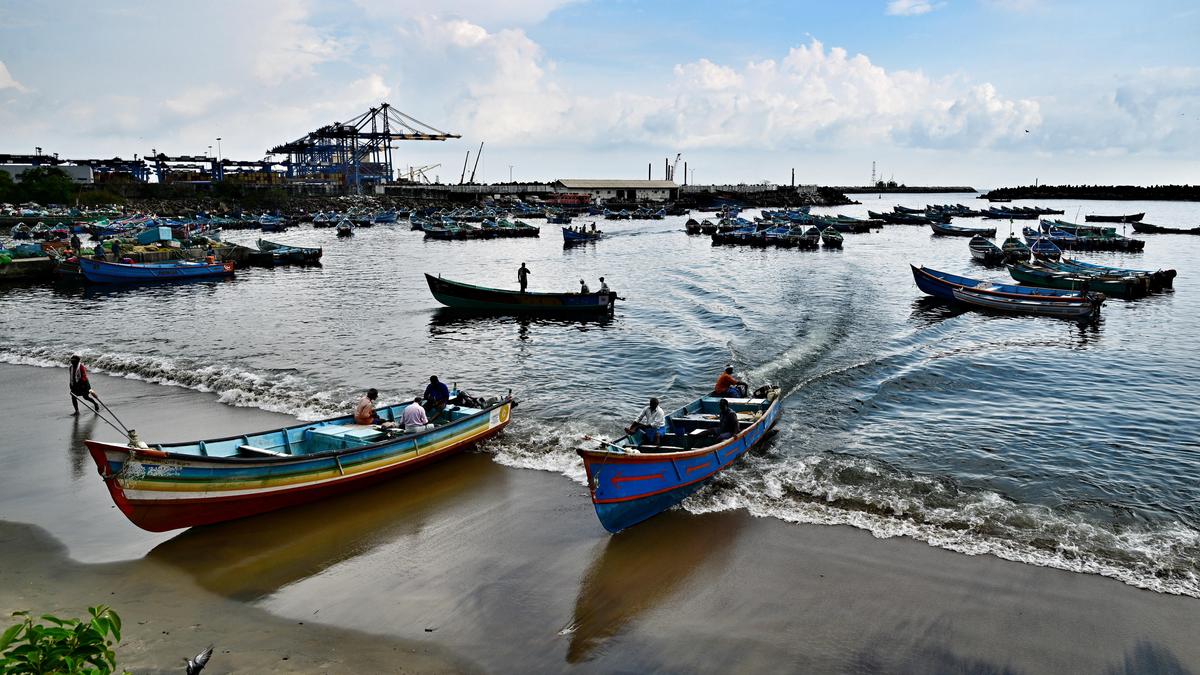
Traditional fishers in Kerala are facing severe economic hardship due to rising kerosene prices and reduced central allocations. This crisis is forcing families to choose between dangerous sea conditions and the escalating costs of fueling their livelihoods.
The Fuel Crisis Gripping Kerala’s Coastal Economy
The traditional fishing community in Kerala is currently navigating a precarious economic landscape, defined by a dual crisis of volatile weather and the rising cost of fuel. As noted in the reports from the Vizhinjam fishing harbour, the daily survival of these fishers is being jeopardized by the increasing scarcity and cost of kerosene—a vital resource for their engine-powered vessels. This situation is not merely a logistical hurdle but a systemic failure that threatens to dismantle the socio-economic foundation of coastal villages.
The Burden of Shrinking Allocations
At the heart of the issue is the significant reduction in Central government allocations of kerosene. Historically, subsidized kerosene has served as a lifeline for both ration-card holders and small-scale fishers. However, as these quotas tighten, the local supply chain has struggled to meet demand, driving prices upward. For the fishers of Thiruvananthapuram, this means that every trip to the sea requires a higher capital investment before a single catch is made, narrowing the profit margins that define their subsistence-level existence.
Navigating Dangerous Waters
The report from Vizhinjam highlights a harrowing reality: the intersection of economic desperation and extreme weather. When fishers weigh their options under darkening skies and storm warnings, they are not just evaluating meteorological risks; they are calculating the financial loss of staying ashore. The inability to afford fuel often forces these workers to take desperate risks, venturing out in deteriorating conditions because the cost of sitting idle is too high to bear. This creates a cycle where financial instability directly translates into physical danger.
Barriers to Energy Transition
While there is a broader push toward transitioning to cleaner and more efficient fuels, the transition remains a distant goal for this demographic. The hurdles are immense, involving not only the initial cost of retrofitting or replacing old engines but also the lack of infrastructure to support alternative energy sources in remote coastal hubs. Without targeted subsidies or technological support, the fishing community remains tethered to kerosene, leaving them vulnerable to market fluctuations that they have no power to control.
Broader Socio-Economic Implications
The ripple effects of this crisis extend far beyond the harbour walls. As kerosene prices rise, the cost of living for ration-card holders in Kerala increases, exacerbating food insecurity and limiting household spending on education and healthcare. This situation underscores the fragility of the state's traditional economy when faced with national-level policy shifts. The reliance on kerosene is an entrenched issue that requires a nuanced policy response, balancing the need for macro-level fuel reform with the micro-level reality of thousands of families who depend on it for their daily bread.
Conclusion and Future Outlook
Looking ahead, the situation in Kerala serves as a bellwether for the challenges of energy equity in India. Unless the government addresses the shrinking allocation issue and provides a viable pathway for fuel transition, the traditional fishing sector will continue to shrink. The future of these communities depends on integrating sustainable technology with social safety nets that protect the most vulnerable from the volatility of global and national fuel markets.
Verification Required?