In Teachers’ Day post, Keralam Higher Education Minister takes a dig at V-Cs attending RSS events
Source Entity
India Latest News: Top National Headlines Today & Breaking News | The Hindu
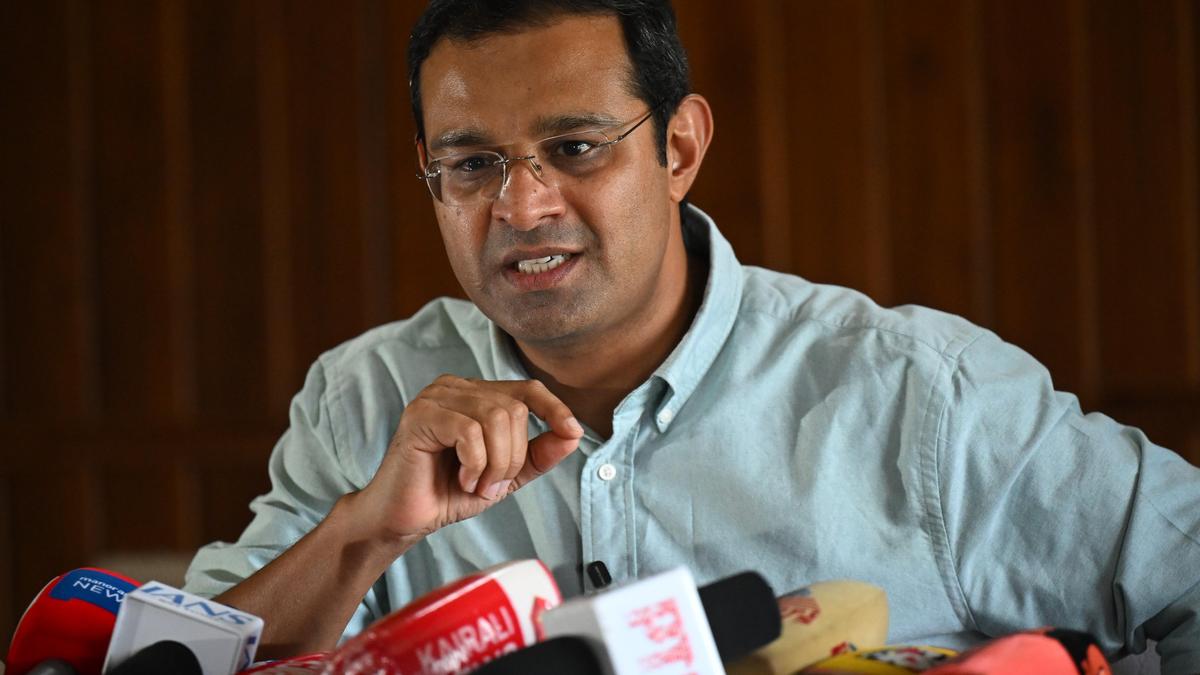
Kerala Higher Education Minister Roji M. John has criticized university Vice-Chancellors for attending RSS-linked events. He argued that such associations compromise academic autonomy and constitutional values amidst ongoing tensions with the state Governor.
Academic Autonomy Under Scrutiny in Kerala
On the occasion of Teachers' Day, Kerala Higher Education Minister Roji M. John issued a stern critique regarding the conduct of heads of higher educational institutions in the state. His remarks centered on the perceived impropriety of Vice-Chancellors participating in events organized by the Rashtriya Swayamsevak Sangh (RSS). The Minister posited that such associations undermine the foundational purpose of universities as bastions of independent thought.
The Erosion of Institutional Dignity
Minister John emphasized that individuals holding the office of Vice-Chancellor bear a significant responsibility to uphold the dignity of their positions. By aligning themselves with platforms that the Minister characterized as promoting "divisive agendas," these academic leaders risk compromising the neutrality required for their roles. According to the Minister, this shift signals a dangerous surrender of academic autonomy to narrow political interests, which he argues is fundamentally incompatible with the essence of teaching and scholarly inquiry.
Constitutional Values vs. Political Influence
At the heart of the Minister’s argument is the belief that higher education institutions must remain "centres of independent thought and constitutional values." In a democratic society, the independence of these institutions is considered a safeguard against partisan encroachment. By critiquing the involvement of academic heads in specific political or ideological events, the Minister is advocating for a strict separation between university administration and external political organizations to preserve the integrity of the state's educational landscape.
Contextualizing the Conflict
These public remarks occur against a backdrop of heightened friction between the Kerala state government and Governor Rajendra Vishwanath Arlekar. As the Chancellor of state universities, the Governor plays a pivotal role in the administration of these institutions. The ongoing dispute reportedly involves contentious issues such as the appointment of Vice-Chancellors and the nomination of Senate members, suggesting that the Minister's Teachers' Day message is part of a broader, systemic struggle for influence and control over the state's higher education sector.
Future Implications for Governance
This incident highlights a growing trend in Indian state politics, where the governance of universities has become a major flashpoint between elected state governments and gubernatorial offices. The tension suggests that the future of academic leadership in Kerala will likely be characterized by continued debates over institutional autonomy. As both state and central political forces vie for influence, the ability of universities to maintain a climate of free thought will remain a critical point of public and political discourse.
Verification Required?