Waylaying of Keralam CM’s vehicle: police granted custody of Chenthi Anil
Source Entity
India Latest News: Top National Headlines Today & Breaking News | The Hindu
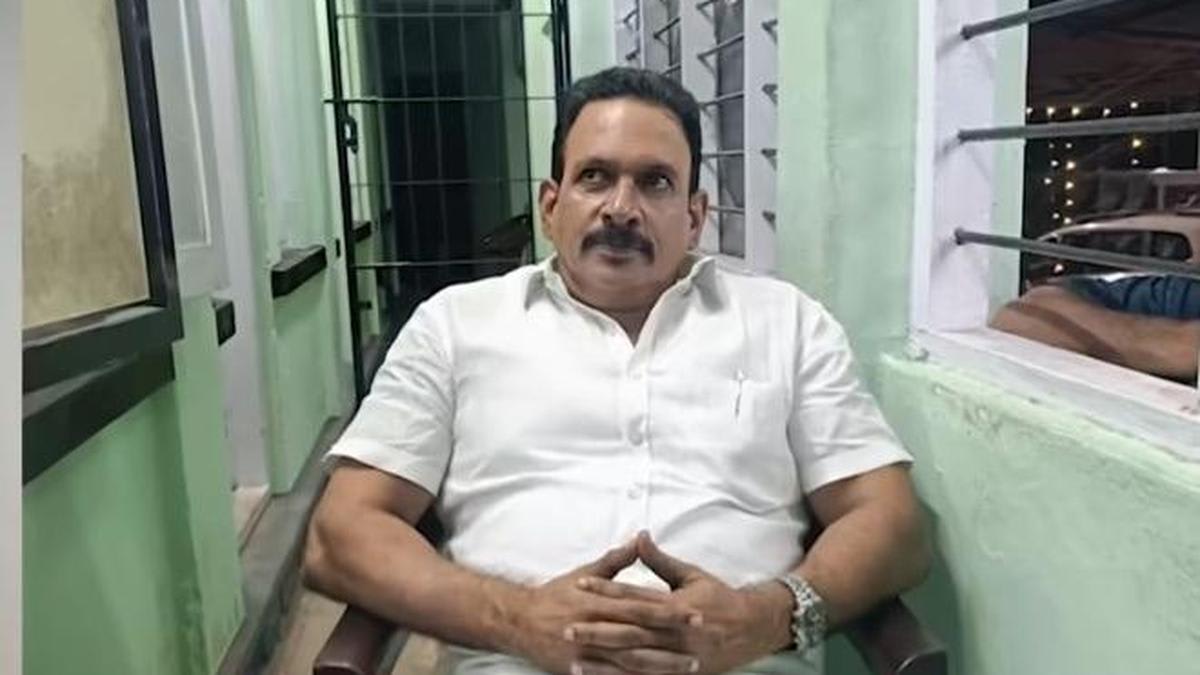
Kerala political tensions have escalated with Pinarayi Vijayan defending his government's anti-drug record against Ramesh Chennithala's criticism. Simultaneously, legal proceedings are underway against a Congress leader for obstructing Chief Minister V.D. Satheesan's convoy.
Political Polarization and Governance Debates in Kerala
The political landscape in Kerala is currently defined by intense friction between the ruling administration and the opposition, characterized by public debates over governance effectiveness and a hardening of legal stances regarding public order. The discourse centers on two primary fronts: the performance of the previous Left Democratic Front (LDF) administration regarding narcotics control and the legal fallout surrounding the obstruction of the current Chief Minister’s motorcade.
The Narcotics Control Debate
Leader of the Opposition Pinarayi Vijayan has mounted a robust defense of his administration’s tenure, specifically countering allegations by Home Minister Ramesh Chennithala regarding a perceived failure to curb the drug menace. Mr. Vijayan highlights a 538% increase in NDPS (Narcotic Drugs and Psychotropic Substances) case registrations between 2021 and 2025, totaling 1,26,855 cases. By citing these figures, the opposition leader aims to reframe the narrative from one of governmental failure to one of aggressive, proactive enforcement.
Central to this argument is the implementation of 'Operation D-Hunt,' which is presented as evidence of the state's capacity for strategic intervention. Mr. Vijayan specifically pointed to a 2024 cross-state operation where the Kerala Police dismantled an international drug manufacturing lab in Kukatpally, Hyderabad. By contrasting this success with the perceived inaction of Telangana authorities, the opposition is clearly attempting to establish a benchmark of administrative competence that transcends state boundaries.
Legal Confrontations and Public Order
In a parallel development, the administration is grappling with challenges to its authority on the ground. The recent custody of Chenthi Anil, a former Thiruvananthapuram District Congress Committee (DCC) member, marks a significant escalation in the legal response to political protest. The Sreekaryam police have been granted custody of the accused following the alleged waylaying of Chief Minister V.D. Satheesan’s vehicle.
The judicial decision to grant this custody underscores the state's reliance on the legal system to address what it characterizes as a conspiracy to insult and obstruct the head of government. The prosecution’s emphasis on the accused’s history—specifically the six pending cases and alleged ties to anti-social elements—suggests that the administration is positioning this incident not as a standard political protest, but as a broader issue of public security and law enforcement.
Broader Implications and Future Trends
These events signal a period of high political volatility in Kerala. The intersection of anti-drug policy narratives and the criminalization of political protest reflects a broader trend where governance metrics are being heavily utilized as tools for political legitimacy. As the state moves forward, the ability of both the ruling party and the opposition to maintain credibility will depend on the judicial outcomes of the pending cases and the long-term efficacy of drug enforcement initiatives.
Ultimately, the political climate remains fragile. The reliance on police custody and the public exchange of statistics suggest that both major political factions are entrenched in a struggle for narrative dominance, likely to influence the state's political discourse for the foreseeable future.
Verification Required?