UDF government implementing Sangh Parivar agenda: M.V. Govindan
Source Entity
India Latest News: Top National Headlines Today & Breaking News | The Hindu
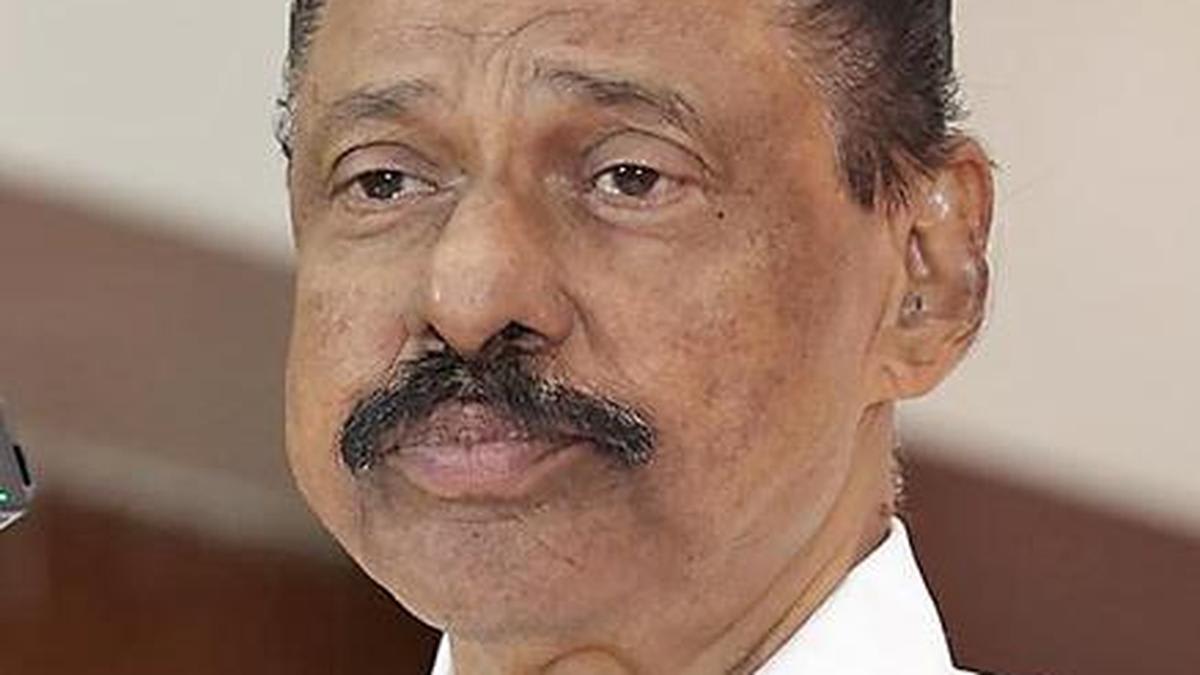
The Kerala opposition has leveled serious allegations of corruption against the UDF government regarding a 200 MW power procurement deal. Critics claim the purchase was made at inflated rates without regulatory approval or competitive bidding, prompting demands for a judicial inquiry.
The Power Purchase Controversy in Kerala: A Deep Dive
The political landscape in Kerala has been significantly stirred by allegations of fiscal impropriety involving the United Democratic Front (UDF) government’s recent decision to procure 200 MW of electricity. Opposition Leader Pinarayi Vijayan and CPI(M) State Secretary M.V. Govindan have jointly challenged the administration’s transparency, asserting that the procurement process bypassed essential checks and balances required for public sector utility management.
Allegations of Procedural Irregularities
At the heart of the controversy is the allegation that the government bypassed the Kerala State Electricity Regulatory Commission (KSERC) when finalizing the deal with VEH Global. By failing to secure the commission's approval and neglecting to initiate a competitive tender process, the government is accused of violating standard operating procedures. The opposition contends that the 200 MW supply was secured solely on the basis of an unsolicited offer from the firm, which raises immediate questions regarding the integrity of the procurement cycle.
Financial Implications and Market Discrepancies
Economic concerns are central to the opposition's critique. With the electricity being procured at a rate of ₹11 per unit, critics point to a massive disparity between this price and the current market rates for renewable sources, such as wind energy, which typically hover between ₹3 and ₹4 per unit. The assertion that this deal imposes an unnecessary and heavy burden on the state exchequer suggests that the public interest may have been subordinated to private interests, potentially leading to long-term fiscal distress for the state.
The Question of Eligibility and Governance
Beyond the pricing, the opposition has raised doubts about the legitimacy of the vendor involved. M.V. Govindan alleged that VEH Global was inherently ineligible to participate in a formal tender process, casting further suspicion on why this specific firm was selected for such a critical state mandate. These claims are compounded by allegations of internal friction within the UDF cabinet, specifically between the Chief Minister and the Electricity Minister, which critics suggest has paralyzed effective administrative oversight.
Political Fallout and Demands for Accountability
The demand for a judicial inquiry is not merely a procedural request but a strategic political push by the CPI(M) to highlight what they describe as the "Sangh Parivar agenda" and administrative failure within the current coalition. The opposition argues that the government is operating in a state of chaos, prioritizing opaque deals over the welfare of the citizenry. As the narrative unfolds, the lack of transparency in this emergency purchase has become a flashpoint for broader debates about governance, corruption, and the accountability of the UDF leadership.
Conclusion and Future Trends
As the call for a judicial probe gains momentum, the government faces significant pressure to provide a detailed justification for the procurement. Future developments will likely hinge on whether the UDF can provide evidence of necessity or if the regulatory commission will intervene to audit the financial impact of the deal. The outcome of this controversy could set a significant precedent for how Kerala handles large-scale power procurement in the future, ultimately testing the resilience of the state's institutional oversight mechanisms.
Verification Required?