Owaisi says ‘Abdul can be CM’. Then why is Aazad his alliance’s UP CM face?
Source Entity
Lalmani Verma
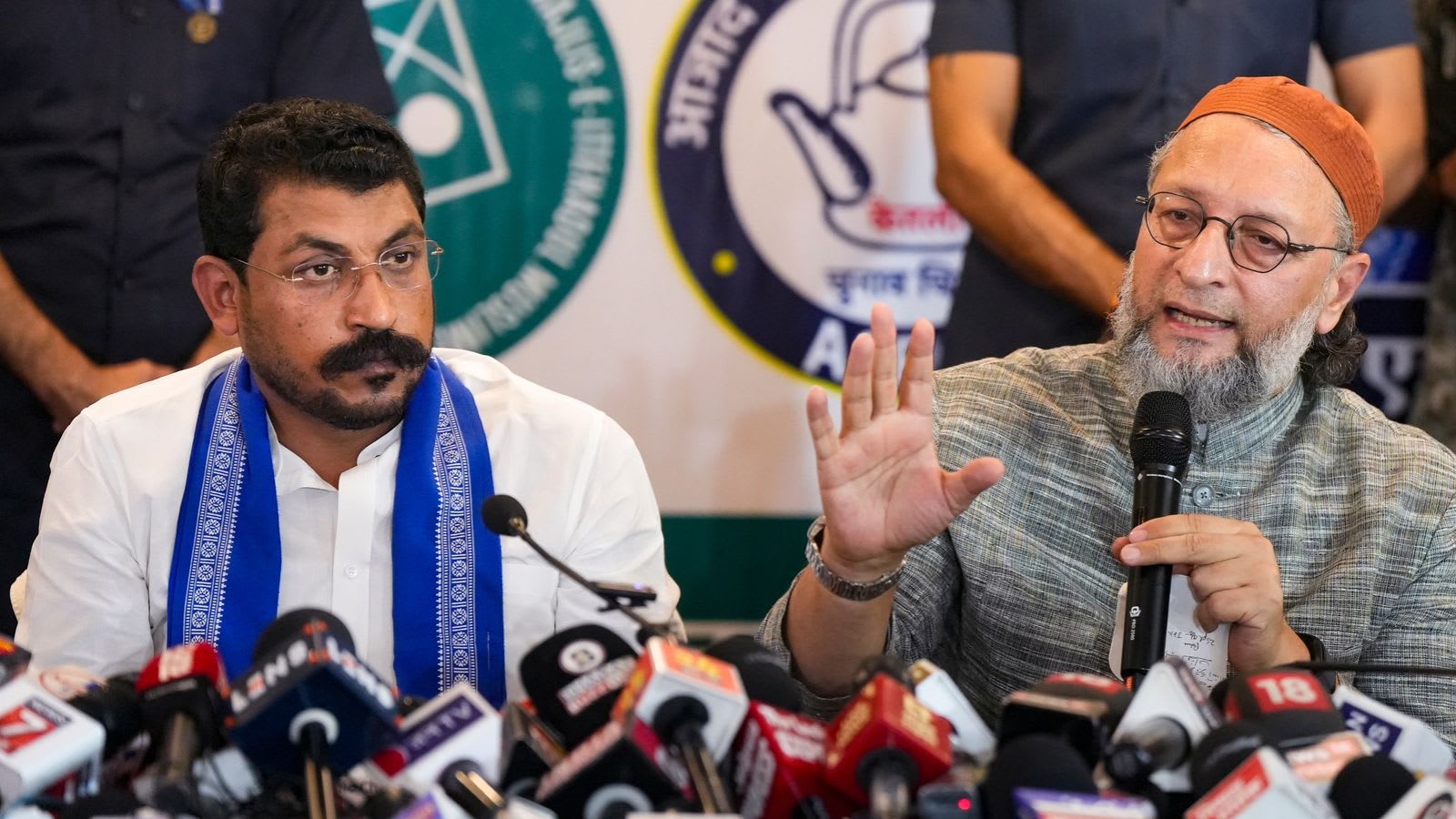
AIMIM chief Asaduddin Owaisi has sparked debate by naming Chandra Shekhar Aazad as the CM face for their alliance in the Uttar Pradesh polls. This move follows Owaisi's recent rhetoric advocating for Muslim political leadership, leading to questions about his strategic consistency.
The Politics of Representation: Analyzing Owaisi's Strategic Pivot
On November 12, AIMIM chief Asaduddin Owaisi ignited a significant political discourse by posting a provocative statement on X: “Abdul sirf puncture hi kyun banaye, woh mukhyamantri bhi ban sakta hai (Why should Abdul only repair punctures? He can become the chief minister too).” This statement was a direct critique of derogatory stereotypes used by Hindutva supporters to marginalize the Muslim community. By challenging the trope that limits Muslim professional identity to menial labor, Owaisi sought to assert the constitutional and political rights of the community to hold the highest offices in the state.
The Contradiction in Alliance Strategy
However, the narrative took a complex turn just two days later. While announcing the formation of the Samajik Parivartan Morcha (SPM), an alliance between the AIMIM and the Azad Samaj Party (Kanshi Ram), Owaisi named Chandra Shekhar Aazad as the designated Chief Ministerial candidate. This decision has sparked internal and external debates regarding the coherence of Owaisi’s political messaging. While he had spent weeks calling for independent Muslim leadership, the choice to cede the top spot to a partner from outside his own party structure suggests a pragmatic, albeit potentially confusing, electoral strategy.
Historical Context and Political Aspirations
Owaisi’s rhetoric is deeply rooted in the historical struggle for political representation among Indian Muslims. For decades, the community has been treated largely as a 'vote bank' for secular parties, often without achieving significant executive influence. By advocating that a Muslim could be a Chief Minister, Owaisi is attempting to break the cycle of being a mere participant in the democratic process rather than a leader of it. This rhetoric serves to mobilize his base by highlighting the systemic barriers and social stigmas they face, such as the 'puncture wallah' stereotype.
Analyzing the Samajik Parivartan Morcha
The alliance with Chandra Shekhar Aazad represents an attempt to bridge the gap between Muslim voters and Dalit communities, two groups that have historically occupied the lower rungs of the socio-economic ladder. By forming the Samajik Parivartan Morcha, Owaisi is trying to build a 'Dalit-Muslim' coalition. Whether this coalition can translate into electoral success in Uttar Pradesh remains to be seen, as the state's politics are heavily dominated by established parties. The move to name Aazad as the CM face is likely an attempt to broaden the alliance's appeal beyond a strictly religious demographic.
Future Implications for Uttar Pradesh Politics
The decision has left some within the AIMIM ranks questioning the party's trajectory. If the goal is to establish independent Muslim political power, critics argue that nominating a non-AIMIM leader as the CM face undermines that core mission. As the Uttar Pradesh Assembly polls approach, the SPM will face the challenge of proving that this alliance is more than just a symbolic protest against the status quo. The success of this strategy will depend on whether voters prioritize the ideological alignment of the coalition over the specific identity of the candidate presented for the CM position.
Concluding Summary
In summary, Asaduddin Owaisi’s recent actions reflect the inherent difficulties of balancing ideological rhetoric with electoral pragmatism. While his push to normalize the idea of a Muslim Chief Minister serves as a powerful rhetorical tool against prejudice, his subsequent decision to support Chandra Shekhar Aazad highlights the complex compromises required to build a viable third-front alliance in the volatile landscape of Uttar Pradesh politics.