The high cost of a free bus ride: A lesson from Kerala
Source Entity
The Indian Express
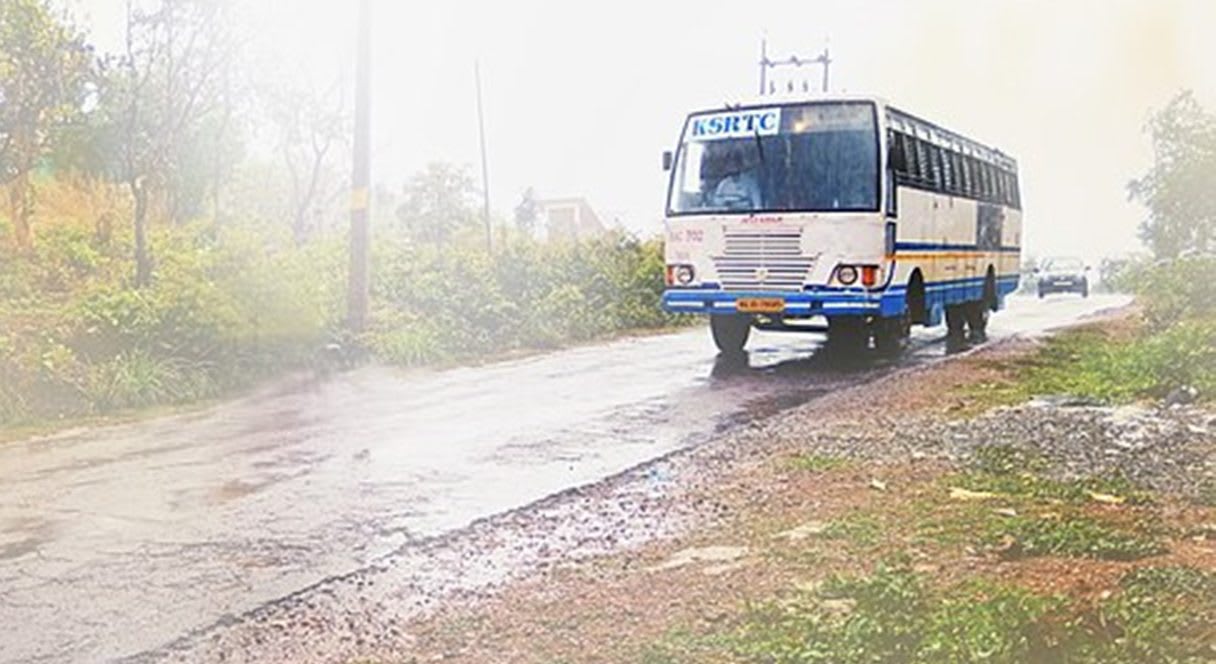
The UDF government in Kerala, led by CM V.D. Satheesan, is navigating early governance challenges including fiscal pressures from welfare schemes and party leadership transitions. The administration faces a delicate balance between ambitious social policies and managing internal political dynamics following their 2026 electoral success.
The Evolving Landscape of Governance in Kerala
Following a landslide victory in the 2026 Assembly elections, the United Democratic Front (UDF) government in Kerala, led by Chief Minister V.D. Satheesan, has spent its first three months balancing ambitious visions for a 'Puthuyuga Keralam' (new-age Keralam) against the harsh realities of governance. The administration, composed of Satheesan and his 20 ministers, has faced a complex initiation marked by both significant expectations and unexpected hurdles, such as a challenging monsoon-season electricity crisis.
The Economics of Social Welfare
A central focus of the current political discourse involves the state’s approach to welfare, specifically the initiative to offer free bus travel for women. While the objective is to enhance mobility and facilitate better access to education, healthcare, and employment for low-income households, the program has ignited a debate regarding fiscal sustainability. The policy demonstrates the inherent dilemma of modern welfare: while it effectively lowers barriers to economic participation, it simultaneously alters the competitive landscape of the state’s passenger transport market, creating long-term implications for livelihoods and state expenditure.
Navigating Political Transitions
Beyond public policy, the internal structure of the Congress party is undergoing a critical transformation. The induction of incumbent Kerala Pradesh Congress Committee (KPCC) president Sunny Joseph into the Cabinet has necessitated a search for new leadership. This selection process is not merely administrative; it serves as a litmus test for the party's future direction. The choice between younger, campaign-focused leaders and consensus-building veterans will signal how the party intends to maintain its political relevance in the coming years.
Social Coalitions and Electoral Strategy
The UDF's 2026 victory was underpinned by a specific social coalition, particularly drawing support from Muslim and Christian communities. As the party scouts for a new state chief, it must carefully manage these caste and community equations. The ability to maintain this broad-based support while implementing transformative governance policies will be the defining challenge for the Satheesan administration.
Future Trends and Challenges
Looking ahead, the UDF government must reconcile its 'new-age' promises with the immediate need for administrative stability. The intersection of fiscal constraints, internal party restructuring, and the management of public infrastructure will dictate the success of the current term. If the government can successfully navigate these early administrative and political hurdles, it may set a new precedent for coalition governance in the state. Conversely, any missteps in these delicate balancing acts could threaten the stability of the coalition that secured such a decisive mandate only months ago.
Multiple Citing Sources