Behind Vijay govt's move to withdraw order barring students from joining Left, CJP-like protests: 'Democratic win'
Source Entity
Latest News: Todays Latest News Headlines from India & World | Hindustan Times | Hindustan Times
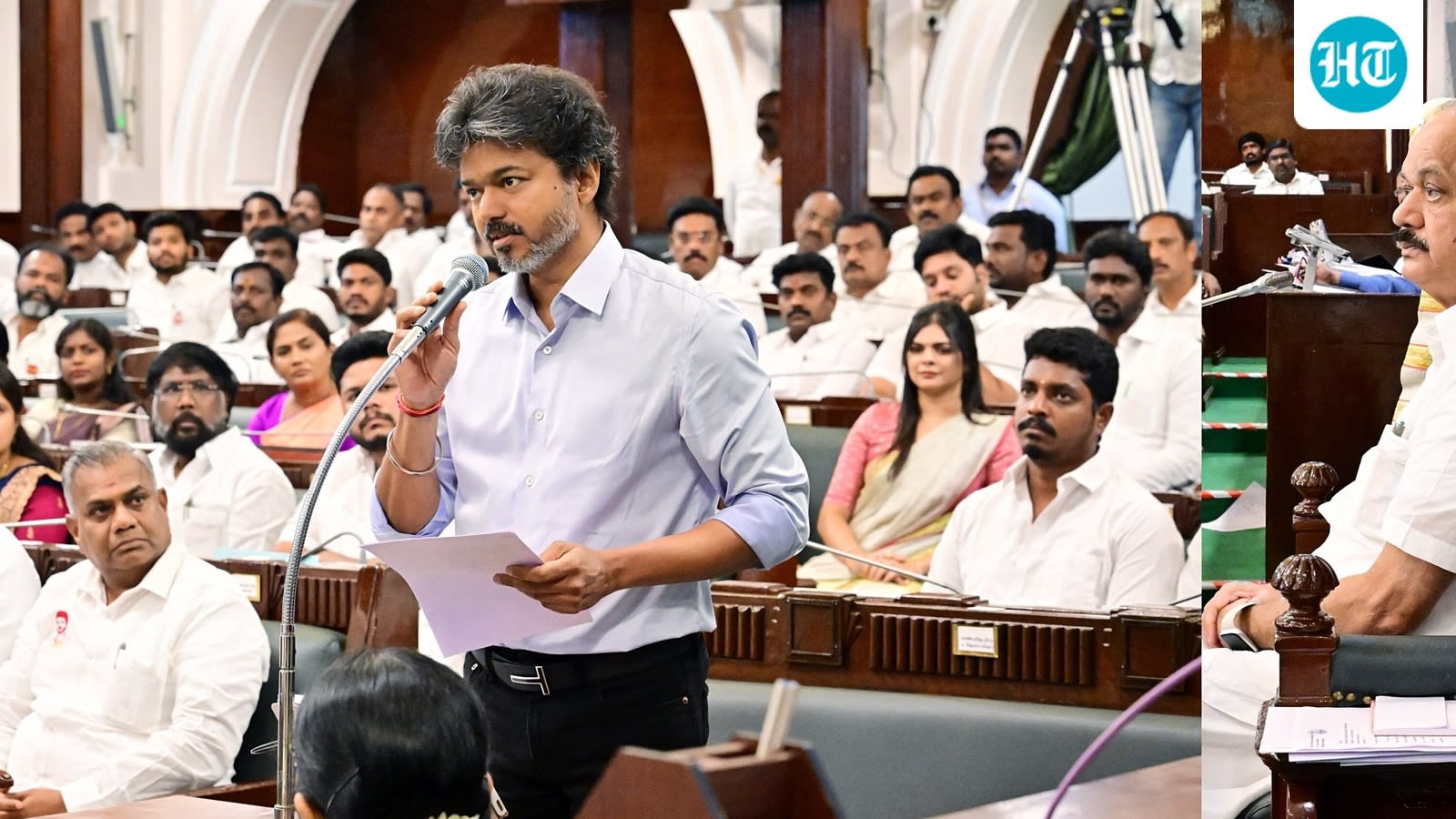
The Tamil Nadu government has withdrawn a controversial order that sought to prevent college students from participating in protests organized by Leftist groups and the Cockroach Janata Party. Student organizations, including the SFI, have lauded the reversal as a significant victory for democratic rights and student activism.
The Rescinding of the Tamil Nadu Student Protest Ban
In a significant development for academic and civil liberties in Tamil Nadu, the state government under Chief Minister S. Joseph Vijay has officially withdrawn a controversial circular that sought to restrict students from participating in protests organized by Leftist groups and the Cockroach Janata Party (CJP). The order, which had been issued on August 17, 2026, by the Department of Collegiate Education, had initially instructed college principals to coordinate with police and administrative bodies to actively prevent student involvement in such agitations.
Origins of the Controversy
The directive originated from a letter sent by the Special Secretary of Higher Education on August 14, 2026, which prompted the Directorate of Collegiate Education to issue formal instructions to all Government Arts and Science Colleges and Colleges of Education. By mandating that principals provide an 'action-taken report' on their efforts to curb student participation in demonstrations, the government effectively sought to mobilize the higher education infrastructure as a tool for political containment. This move was met with immediate backlash from student organizations who viewed it as an infringement on the fundamental right to protest.
The Role of Student Activism
Following the announcement, the Students’ Federation of India (SFI) and other student bodies quickly mobilized, framing the government's retreat as a 'democratic win.' The swift withdrawal of the order highlights the efficacy of student-led advocacy in holding administrative bodies accountable. The pressure exerted by student groups forced the state to reassess the optics and the legal viability of restricting political participation within the student population, a demographic historically known for its role in shaping public discourse.
Broader Implications for Academic Freedom
The attempt to integrate collegiate administration with police and district departments to monitor student behavior raises critical questions regarding the autonomy of educational institutions. When state machinery is directed to monitor political affiliations or protest activities, the resulting 'chilling effect' can stifle intellectual development and the exchange of ideas essential to campus life. The withdrawal of this order serves as a precedent that reinforces the principle that educational institutions should remain spaces for open inquiry rather than extensions of political policing.
Future Trends and Political Context
This incident reflects the ongoing tension between state governance and political opposition in Tamil Nadu. The specific naming of the Cockroach Janata Party (CJP) and Leftist groups suggests a targeted approach to managing political dissent. Moving forward, the government's decision to roll back the order suggests a pragmatic pivot to avoid further public outcry and legal challenges. It remains to be seen how future policies regarding campus discipline will balance administrative concerns with the constitutionally protected right to peaceful assembly, as civil society groups remain vigilant against any further attempts to curtail student political engagement.
Multiple Citing Sources
Verification Required?