Denied permission, Kharge to go ahead with Constitution Day march in Lucknow
Source Entity
Maulshree Seth
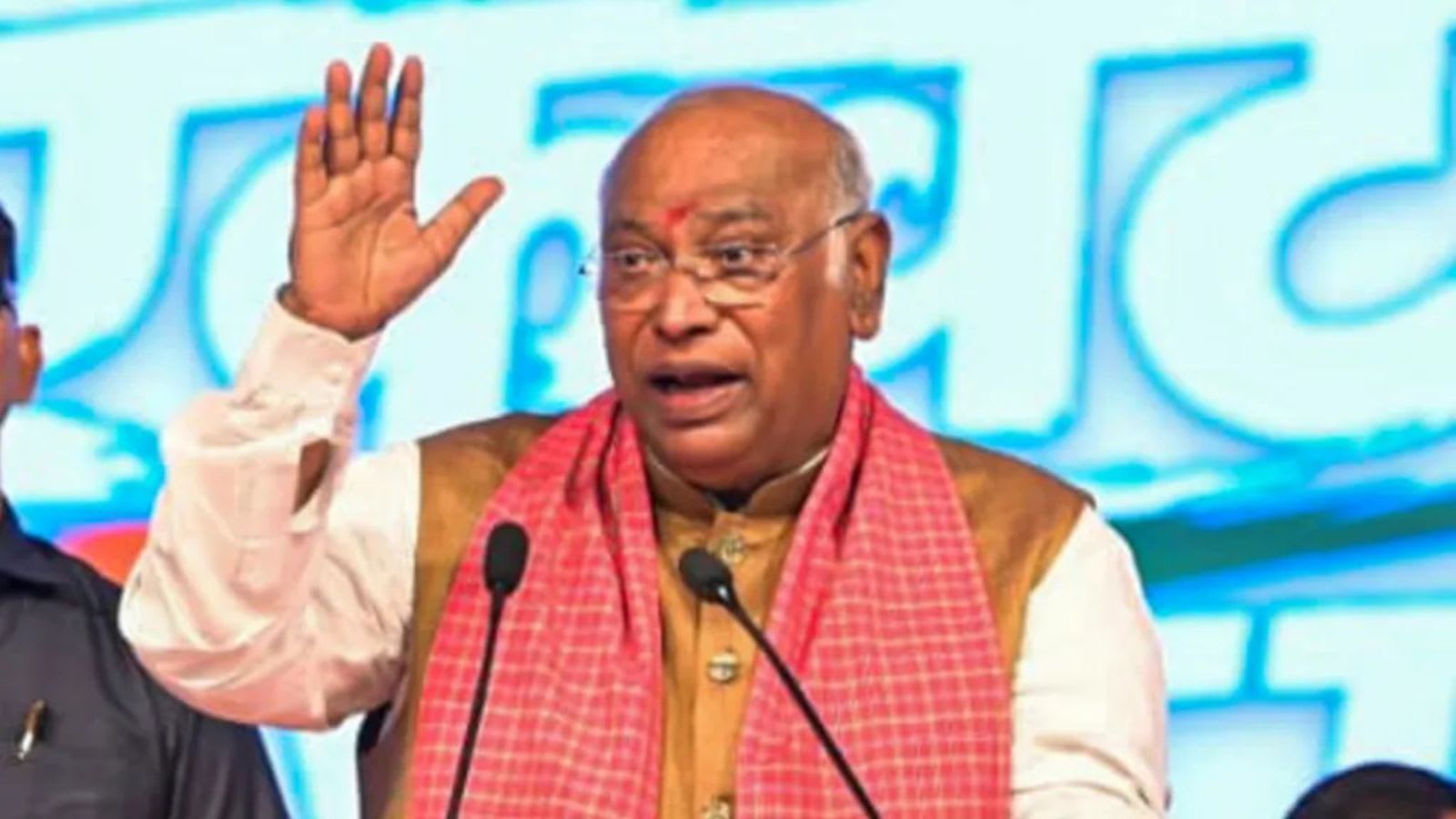
Congress President Mallikarjun Kharge is proceeding with a Constitution Day march in Lucknow despite police denying permission. The party maintains the demonstration will occur to protest alleged efforts to undermine constitutional values.
Defiance in Lucknow: The Battle for Constitutional Narrative
Congress national president Mallikarjun Kharge has confirmed his intention to proceed with a planned march in Lucknow on Thursday, November 26, to commemorate Constitution Day. This decision comes in direct response to the denial of official permission by local police authorities. The event, which is intended to travel from Gandhi Bhavan to the statue of Dr. B.R. Ambedkar in Hazratganj, follows the party’s 'Samvidhan Raksha Sammelan' (Save Constitution Convention) held at the Uttar Pradesh state headquarters.
The Political Context of the March
This confrontation highlights the ongoing friction between the Congress party and the ruling BJP in Uttar Pradesh. By framing the march as a defense of the Constitution, the Congress leadership is attempting to position itself as the primary guardian of democratic institutions. The choice of symbolic locations—Gandhi Bhavan and the Ambedkar statue—serves to anchor their protest in the foundational history of the Indian Republic, appealing to historical figures who are central to the party's ideological platform.
Allegations of Constitutional Undermining
Uttar Pradesh Congress president Aradhana Misra-Mona has issued sharp criticism, accusing the BJP of attempting to weaken the spirit of the Constitution. The core of this allegation centers on the claim that the ruling party is seeking to undermine citizens' voting rights. According to the Congress, this strategy is a reactionary move following the BJP's failure to secure the parliamentary mandate previously required to enact significant constitutional changes, suggesting a shift in tactics toward administrative or grassroots-level erosion of democratic norms.
The Implications of Denied Permission
When authorities deny permission for political demonstrations, it often elevates the profile of the event rather than suppressing it. By choosing to move forward despite the denial, the Congress leadership is engaging in a high-stakes act of civil disobedience. This strategy serves two purposes: it tests the state government's willingness to enforce restrictive measures against opposition leaders and it galvanizes the party base, who view the denial as further evidence of the authoritarianism they claim to be protesting.
Future Trends and Democratic Discourse
This event is part of a broader, nationwide campaign by the Congress party to center their political messaging on the theme of 'Saving the Constitution.' As India approaches future electoral cycles, the debate surrounding the stability and integrity of the Constitution will likely remain a polarizing issue. The tension in Lucknow signifies that the battle over the interpretation of constitutional values will continue to manifest in public spaces, street protests, and legislative debates, reflecting the deep-seated ideological divide in contemporary Indian politics.