Exclusive: Angry Congress MP Repeats "Beggar" Jibe, Samajwadi Leader Slams "Ego"
Source Entity
NDTV News Search Records Found 1000
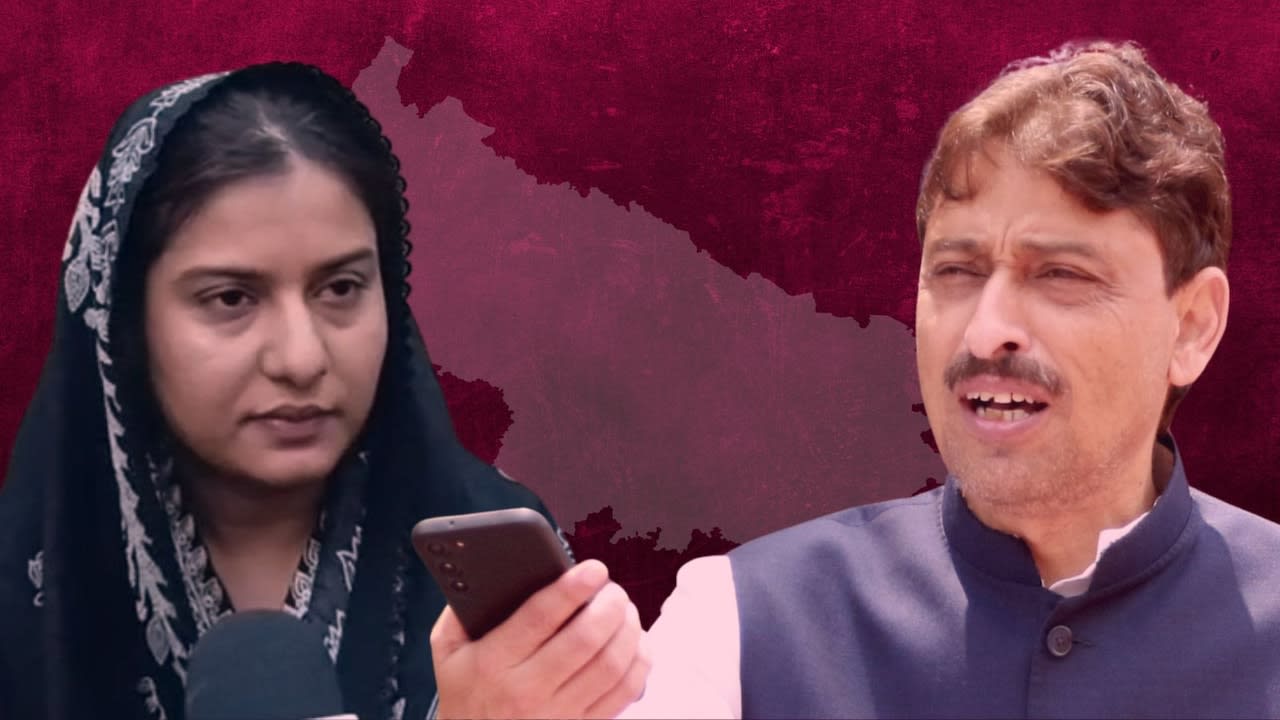
The Samajwadi Party and Congress are engaged in intense negotiations regarding seat-sharing for the 2027 Uttar Pradesh Assembly elections. While the SP's initial offer of 26 seats was rejected by Congress, both parties are continuing marathon talks to finalize an agreement based on winnability.
The Dynamics of the SP-Congress Alliance in Uttar Pradesh
The political landscape of Uttar Pradesh is currently defined by the high-stakes negotiations between the Samajwadi Party (SP) and the Congress as they prepare for the 2027 Assembly elections. Akhilesh Yadav, leading the SP, has publicly called for "serious talks" to formalize an alliance, signaling a move that aligns with the broader strategic interests of the Congress. This collaborative effort aims to consolidate opposition strength in the state, though the path to a finalized pact is proving to be complex and contentious.
The Seat-Sharing Standoff
The core of the current tension lies in the disparity between the two parties' expectations regarding seat allocation. During marathon discussions covering all 403 constituencies, the SP initially proposed an opening offer of 26 seats for the Congress. This figure was promptly rejected by Congress leadership, who have reportedly submitted a revised list seeking between 100 and 120 seats. This shift from their earlier demand of 181 seats suggests a more pragmatic approach, yet the gap between 26 and 100 remains a significant hurdle that the parties are attempting to bridge through mutual accommodation.
Strategic Challenges and Winnability
Both parties are operating under the principle that the final arrangement must rest on "winnability" rather than rigid numerical quotas. By engaging in seat-by-seat analysis, the leadership is attempting to avoid the pitfalls of past alliances where mismatched expectations led to internal friction. The ongoing parleys in Delhi represent a critical phase, with both sides expressing confidence that a formal deal will be finalized within the next two meetings. The success of these talks will likely dictate the electoral viability of the opposition bloc in the state.
Electoral Integrity and Voter Vigilance
Beyond seat-sharing, Akhilesh Yadav has shifted focus toward the administrative aspects of the election process. He has issued a direct mandate to SP workers to monitor the Election Commission of India’s (ECI) activities closely. His emphasis on ensuring that "not a single bogus vote" is added and that no genuine votes are deleted reflects a broader strategy to secure the electoral roll. This move is designed to mobilize the grassroots cadre and ensure transparency at the polling booth level.
Addressing Technological Concerns
Akhilesh Yadav’s rhetoric also touched upon the persistent skepticism surrounding Electronic Voting Machines (EVMs). By voicing concerns regarding the credibility of the voting infrastructure, Yadav is tapping into a sentiment of public doubt that has frequently surfaced in recent electoral cycles. This positioning serves a dual purpose: it acts as a rallying cry for party workers to remain vigilant and allows the SP to frame the upcoming election as a challenge that requires both political strategy and technical oversight.
Conclusion: The Path Forward
The trajectory of the SP-Congress alliance remains fluid, caught between the necessity of a unified front and the individual ambitions of the respective party bases. As the parties move toward final decisions on the 403 seats, their ability to reconcile their differences will be a primary indicator of their electoral strength. With both the administrative vigilance of the SP and the ongoing negotiations, the 2027 UP elections are shaping up to be a test of coordination and institutional trust.
Multiple Citing Sources
Verification Required?