King calls slave trade a 'shameful chapter' during Commonwealth address
Source Entity
BBC News
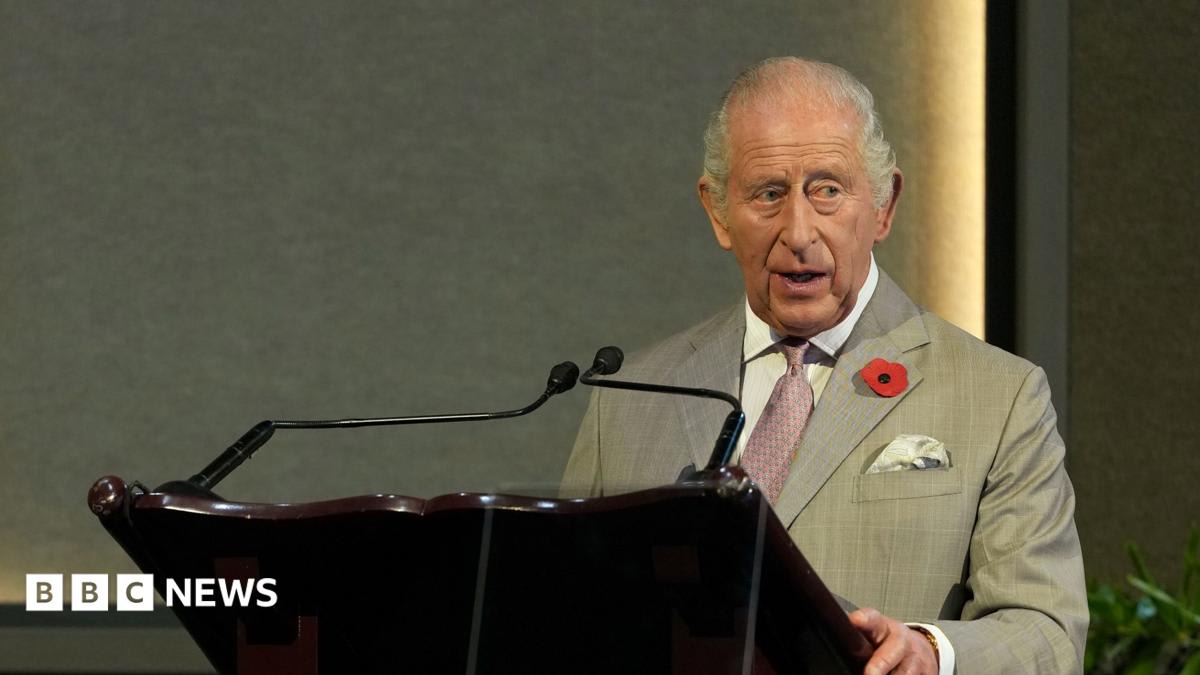
King Charles addressed the Commonwealth, acknowledging the transatlantic slave trade as a shameful historical chapter that continues to impact modern relations. While he expressed profound sorrow, he stopped short of a formal apology or reparations, sparking continued debate among member nations.
Acknowledging the Shadow of History
King Charles III has publicly addressed the transatlantic slave trade, characterizing it as a "shameful chapter of history" during the Commonwealth Heads of Government Meeting (CHOGM) in Antigua and Barbuda. By stating that the legacy of this era "still casts a shadow" over the association of nations, the monarch has signaled a shift toward greater acknowledgment of the British Empire's historical role in the forced migration and enslavement of millions.
The Nuance of Contrition Without Apology
Despite the gravity of his remarks, the King’s address notably omitted a formal apology for Britain's involvement in the slave trade. This omission highlights the delicate diplomatic tightrope the monarchy must walk. While the King expressed "profound sorrow," the absence of a direct apology underscores the reluctance of the British establishment to invite potential legal or formal claims that might arise from an explicit admission of state-sanctioned liability.
The Debate Over Reparations and Accountability
The discourse surrounding this summit has been heavily influenced by the growing international movement for reparations. Prime Minister Andy Burnham, present at the summit, has articulated a position that distinguishes between acknowledging historical wrongs and providing direct financial compensation. Burnham has indicated that while an apology may be appropriate, he does not view financial reparations as the correct path forward, reflecting a broader divide in political opinion regarding how nations should address historical grievances.
Commonwealth Relations and Structural Tensions
The Commonwealth, a voluntary association of 56 independent and equal countries, is currently grappling with its colonial past. The King’s speech serves as a focal point for member nations that have increasingly demanded that the UK government move beyond symbolic gestures. The tension between the desire for historical reconciliation and the avoidance of concrete financial commitments remains the primary obstacle to a unified path forward for the organization.
Future Implications for the Monarchy
As the monarchy seeks to modernize its image and maintain relevance in a post-colonial world, the handling of the slave trade legacy will likely remain a defining challenge. The King's decision to name the "shameful chapter" suggests an intent to engage with the past, yet the lack of a formal apology suggests that the structural and legal barriers to total reconciliation remain firmly in place. Future summits will likely see continued pressure from member states to evolve these statements into more tangible actions or policy shifts.