‘Literary works on phones to attract GenZ’: Kirit Doodhat to head Gujarati Sahitya Parishad
Source Entity
Parimal A Dabhi
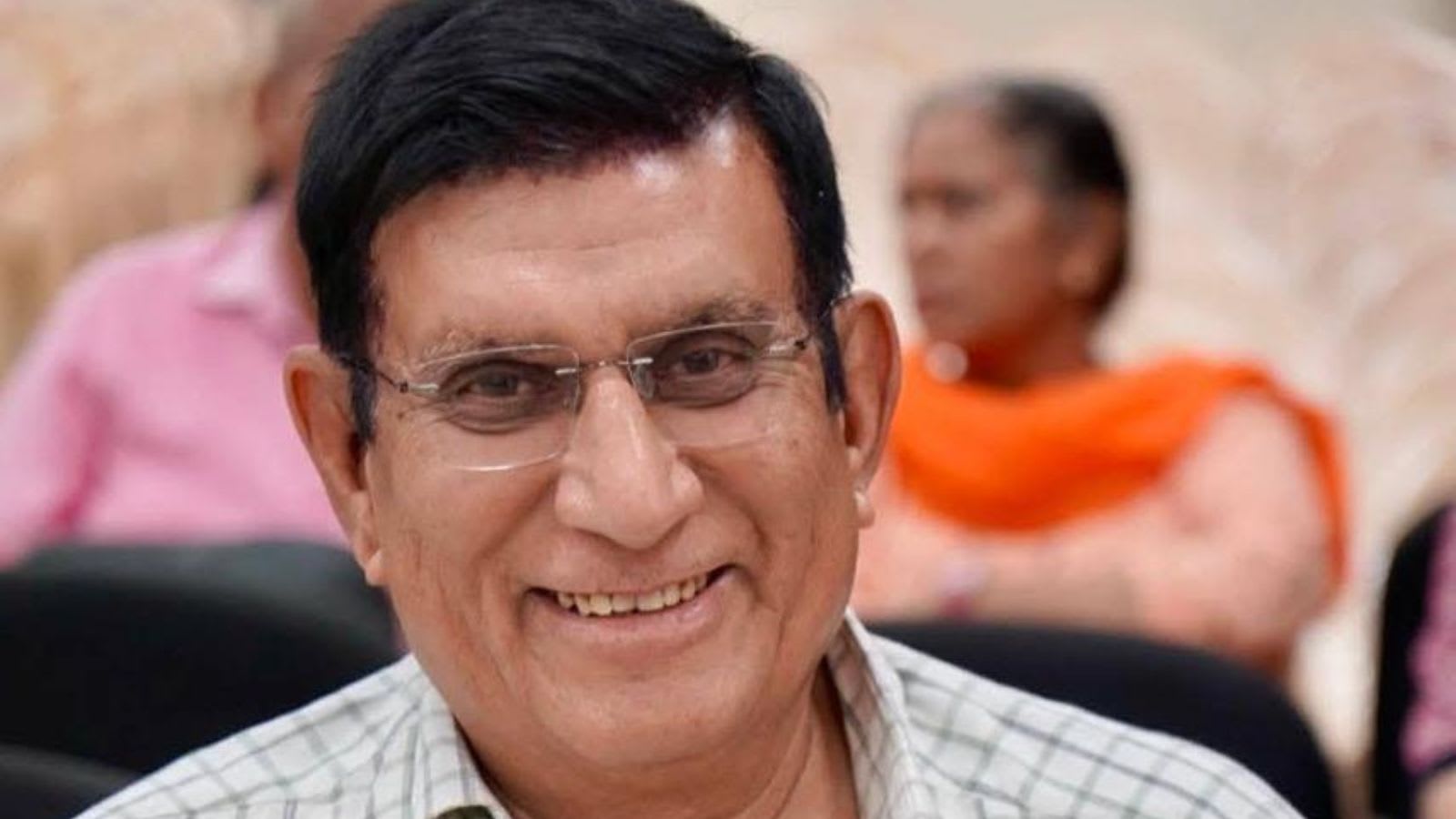
Former bureaucrat and writer Kirit Doodhat has been elected the 52nd president of the Gujarati Sahitya Parishad. He aims to modernize the institution by prioritizing digital accessibility to engage younger generations in Gujarati literature.
A New Chapter for the Gujarati Sahitya Parishad
The election of Kirit Doodhat as the 52nd president of the Gujarati Sahitya Parishad (GSP) marks a significant transition for one of India's most venerable literary institutions. Doodhat, a former bureaucrat and accomplished short story writer, secured a decisive victory with 824 votes against challenger Dr. Usha Upadhyay, who garnered 562 votes. This change in leadership comes at a pivotal time for the organization, which has served as a cornerstone of Gujarati cultural preservation for over a century.
Historical Legacy and Institutional Weight
Founded in 1905 by the celebrated writer Ranjitram Mehta, the GSP holds a profound place in Indian literary history. The stature of the organization is underscored by its illustrious past, including the fact that Mahatma Gandhi served as its president in 1936. The institution is also the namesake of the 'Ranjitram Suvarna Chandrak,' the most prestigious award in Gujarati literature, which honors the legacy of its founder. Doodhat’s ascension to the presidency places him in a long line of intellectual stewards tasked with protecting the linguistic heritage of the region.
Bridging the Generational Divide
One of the central pillars of Doodhat’s platform is the urgent need to modernize the consumption of literature. Recognizing that Gen Z is increasingly disengaged from traditional print media, Doodhat has explicitly stated his intention to make literary works available on mobile devices. This digital pivot is a strategic attempt to ensure that the Gujarati language remains vibrant and relevant in an era dominated by instantaneous, screen-based content.
Administrative Experience and Vision
As a former bureaucrat, Doodhat brings a unique blend of organizational discipline and creative insight to the role. His background suggests a potential shift toward more structured administrative reforms within the Parishad. By leveraging his experience in governance, he aims to streamline the organization's outreach, ensuring that the GSP is not merely a repository of historical texts but an active, functioning platform for contemporary writers and readers alike.
Challenges and Future Outlook
Despite the optimism surrounding his election, Doodhat faces the formidable challenge of revitalizing interest in regional literature amidst a globalized digital landscape. The competition, represented by Dr. Usha Upadhyay, a former head of the Gujarati Department at Gujarat Vidyapith, underscores the academic rigor expected of the position. Moving forward, the success of the GSP under Doodhat’s leadership will likely be measured by his ability to balance the preservation of classical Gujarati literary traditions with the rapid, often transient, demands of digital-native audiences.
Conclusion
Kirit Doodhat’s election is more than a change in personnel; it is a signal of intent for the future of Gujarati letters. By focusing on mobile-first accessibility, the 65-year-old native of Amreli district is positioning the GSP to remain a relevant cultural force. As he assumes the role of the 52nd president, the literary community will be watching closely to see if his administrative expertise can successfully translate into a digital renaissance for Gujarati literature.