Delhi’s Kitchener Lake fails water quality norms despite Rs 36 lakh cleaning work
Source Entity
Sophiya Mathew
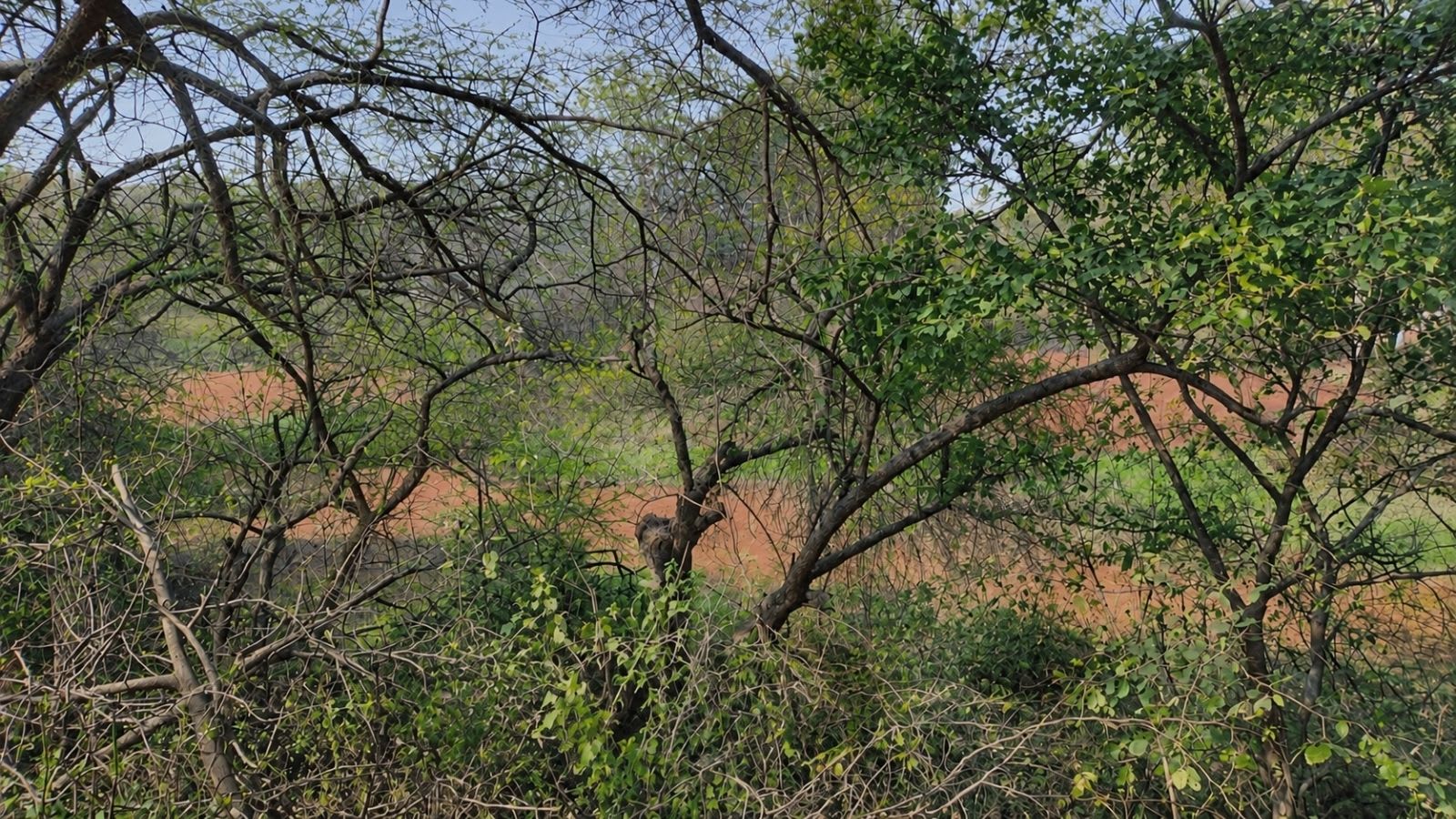
Kitchener Lake in Delhi's Central Ridge remains polluted despite a Rs 36 lakh restoration effort by the DDA. The National Green Tribunal has demanded an explanation for these discrepancies following a critical report by the Delhi Pollution Control Committee.
The Crisis at Kitchener Lake: A Restoration Failure
The 66-acre Kitchener Lake, situated within the ecologically sensitive Central Ridge forest of Delhi, serves as a critical environmental asset. However, recent developments highlight a significant failure in urban ecological management. Despite official assurances provided to the National Green Tribunal (NGT) regarding the lake's water quality, new evidence suggests that the restoration efforts have fallen drastically short of their intended goals.
Discrepancies in Official Reporting
Earlier this year, the Delhi Development Authority (DDA) informed the NGT that the water quality in Kitchener Lake had reached prescribed safety standards. This claim was sharply contradicted by a late-August report from the Delhi Pollution Control Committee (DPCC). The DPCC's findings indicate that the water remains hazardous, raising serious questions about the accuracy of the DDA’s internal reporting and the efficacy of its monitoring processes.
Financial Accountability and Restoration Efforts
The DDA has invested Rs 36 lakh into cleaning and in-situ bioremediation initiatives for the lake. Bioremediation, a process that uses microorganisms to degrade environmental contaminants, is a standard approach for urban water bodies, yet the persistent pollution levels suggest either a failure in the application of this technology or a lack of sustained maintenance. With public funds already allocated and expended, the lack of measurable improvement represents a significant oversight in project management.
The Role of the National Green Tribunal
The NGT has been actively monitoring the state of Kitchener Lake since 2024, reflecting the growing judicial concern over Delhi's shrinking and degrading water bodies. By issuing a formal order on September 1, the tribunal has placed the burden of proof back on the DDA. The DDA is now required to provide a comprehensive explanation within one month regarding the discrepancy between their earlier optimistic claims and the reality documented by the DPCC.
Broader Implications for Urban Ecology
The situation at Kitchener Lake is emblematic of a wider struggle to preserve Delhi's natural green and blue spaces. The Central Ridge forest is a vital lung for the city, and the health of its water bodies is directly tied to local biodiversity and groundwater recharge. When restorative measures fail despite significant financial investment, it undermines public trust and sets a dangerous precedent for future environmental conservation projects in the capital.
Future Outlook and Necessary Oversight
Moving forward, transparency in the remediation process is essential. The DDA must not only account for the Rs 36 lakh spent but also revise its technical approach to ensure that future interventions are backed by rigorous, independent verification. Without a shift toward more accountable and scientifically sound restoration practices, the ecological integrity of the Central Ridge remains at high risk, potentially leading to permanent environmental degradation.