Kochi Corporation Council approves proposal for new plant at Brahmapuram
Source Entity
India Latest News: Top National Headlines Today & Breaking News | The Hindu
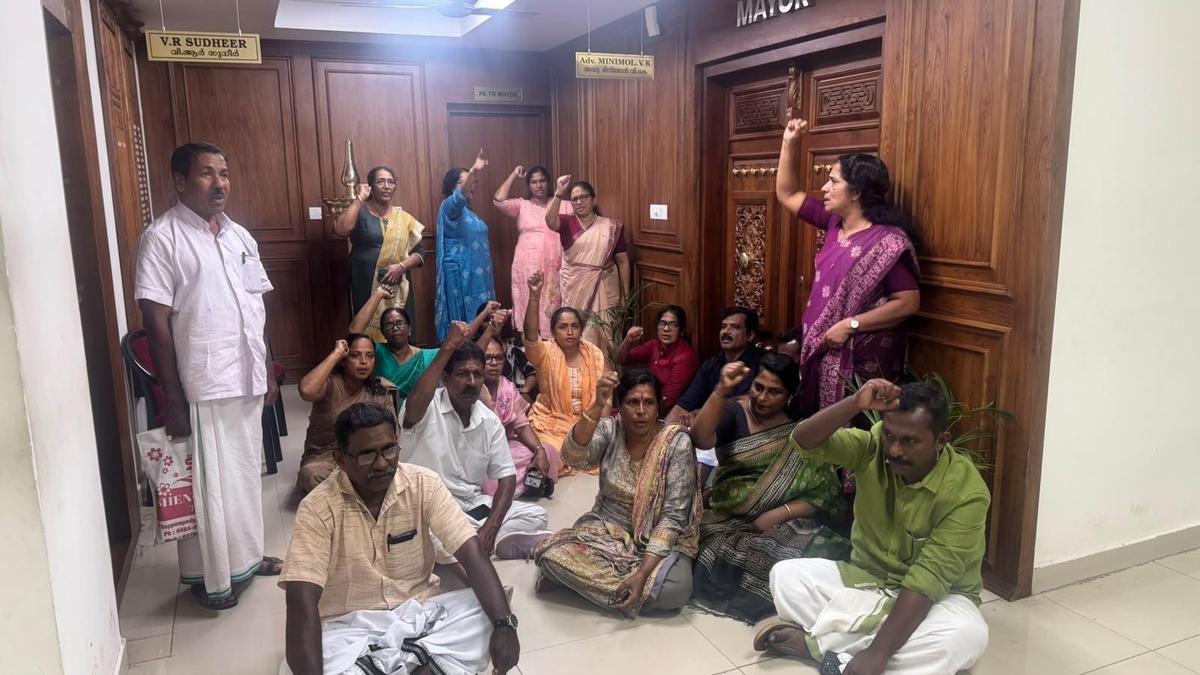
The Kochi Corporation Council has approved a new 150-tonne biodegradable waste treatment plant at Brahmapuram. The project, proposed by G3 Renewables, passed despite significant opposition from LDF councillors.
Kochi Corporation Approves New Waste Management Infrastructure
On Friday, August 14, the Kochi Corporation Council reached a pivotal decision regarding the city's persistent waste management challenges. By a margin of 40 votes to 19, the council approved a proposal to establish a new waste treatment facility at the Brahmapuram site. This facility is specifically designed to handle 150 tonnes of biodegradable waste daily, marking a significant step toward modernizing the city's sanitation infrastructure.
The Proposal and Technological Scope
The approved project was submitted by G3 Renewables Private Limited, a firm currently operating an existing facility on Willingdon Island. The proposal outlines an investment of ₹25–30 crore, contingent upon the Kochi Corporation providing a three-acre land parcel on a 25-year lease. A critical aspect of the project is the utilization of proprietary mechanical processing technology, which has already received recognition from the Suchitwa Mission, the state’s nodal agency for sanitation.
Political Friction and Procedural Dynamics
The approval process was far from unanimous, reflecting the contentious nature of waste management policy in urban local bodies. The Left Democratic Front (LDF) councillors voiced stiff opposition to the agenda, leading to a formal vote. The motion was ultimately carried with the support of the BJP councillors, highlighting a rare alignment of voting blocs against the LDF in this specific municipal context. This highlights the deep ideological and logistical divides that often complicate large-scale environmental infrastructure projects.
Broader Implications for Brahmapuram
Brahmapuram has long been the focal point of Kochi's waste management efforts, often characterized by historical struggles with legacy waste and processing capacity. By introducing a plant specifically tailored for 150 tonnes of biodegradable waste, the Corporation aims to alleviate the pressure on existing systems. This move is indicative of a broader trend in Indian urban governance, where municipalities are increasingly turning to private-public partnerships to mitigate the growing crisis of solid waste management in rapidly expanding cities.
Looking Ahead: Implementation and Challenges
While the approval is a legislative victory for the current administration, the real test lies in the execution phase. The success of the G3 Renewables project will depend heavily on the seamless transfer of the three-acre lease and the efficiency of the proprietary technology in real-world conditions. As Kochi continues to grapple with its waste footprint, the performance of this new facility will likely serve as a case study for future municipal investments in decentralized or localized waste treatment solutions.
Conclusion
The decision to move forward with the Brahmapuram facility represents a critical juncture for Kochi’s environmental strategy. Despite the political friction seen in the council chamber, the focus remains on the urgent need to process biodegradable waste effectively. If implemented successfully, this plant could provide a sustainable roadmap for managing urban organic waste, provided that the operational and environmental standards are strictly maintained during the 25-year tenure of the project.
Verification Required?