Kodak EC35 is a dirt-cheap point-and-shoot film camera
Source Entity
Terrence O’Brien
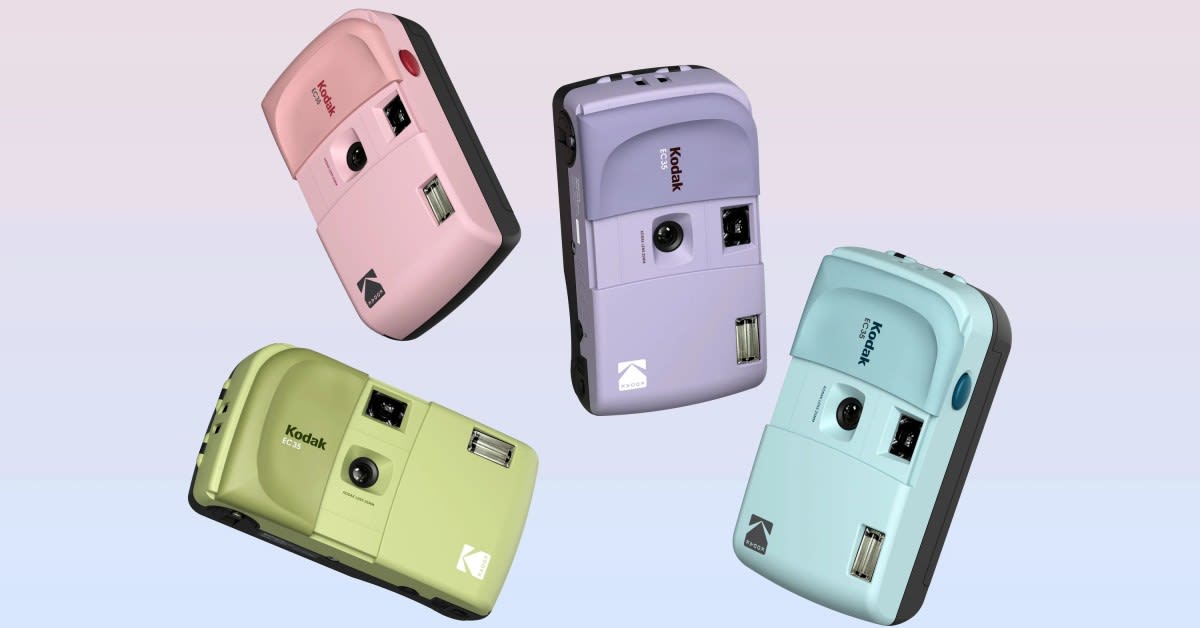
Reto Project is launching the Kodak EC35, a budget-friendly 35mm film camera priced at $34.99. This minimalist point-and-shoot mimics the experience of a disposable camera with a fixed aperture and manual controls.
The Return of Lo-Fi: Analyzing the Kodak EC35
Reto Project has announced the release of the Kodak EC35, an ultra-affordable 35mm film camera that marks a strategic pivot toward extreme accessibility in the analog photography market. Priced at just $34.99, the EC35 follows the market entry of the $99 Kodak-branded Snapic A1. While the A1 targeted a slightly more enthusiast-level budget, the EC35 is positioned as a 'dirt-cheap' alternative, effectively lowering the barrier to entry for consumers who want to experiment with film without a significant financial investment.
Technical Specifications and the 'Disposable' Aesthetic
From a technical standpoint, the EC35 is designed for simplicity over precision. It features a 25mm acrylic lens with a fixed f/10 aperture and a 1/100 shutter speed. These specifications are intentionally basic, placing the device on par with standard drugstore disposable cameras. By utilizing a fixed aperture and shutter speed, the camera removes the complexity of exposure settings, forcing the user to rely on the available light and the built-in automatic flash. This design choice prioritizes the 'lo-fi' aesthetic—characterized by specific grain and lighting imperfections—over the clinical sharpness of modern digital sensors.
Comparative Analysis: EC35 vs. Snapic A1
When compared to its predecessor, the Snapic A1, the EC35 represents a significant stripping away of features. The A1 offered more advanced capabilities, such as zone focusing and a double exposure feature, which allowed for a degree of creative control. In contrast, the EC35 removes these options entirely, emphasizing a 'point-and-shoot' philosophy. The inclusion of manual wind and rewind mechanisms further reinforces its identity as a tactile, mechanical tool, contrasting sharply with the automated nature of contemporary smartphone photography.
Market Context: The Analog Resurgence
The release of the EC35 taps into a broader cultural trend: the resurgence of analog film among younger generations. In an era of instant digital gratification and AI-enhanced imagery, there is a growing demand for the tangible and the unpredictable. The EC35 serves this market by offering a physical experience—loading film, manually winding the spool, and waiting for development—that digital platforms cannot replicate. This 'slow photography' movement values the process as much as the final image.
Business Strategy and Consumer Accessibility
Reto Project's strategy with the EC35 appears to be one of volume and accessibility. By pricing the hardware at $34.99, they are not competing with professional camera manufacturers but are instead competing with the convenience of disposable cameras. The business logic here is likely centered on the ecosystem; by making the camera hardware nearly negligible in cost, the primary recurring expense for the consumer becomes the film itself. This creates a sustainable pipeline of film consumption, leveraging the iconic Kodak brand to attract a wide demographic of casual users.
Future Trends in Budget Imaging
Looking forward, the success of the EC35 suggests a continuing trend toward 'intentional imperfection.' As digital photography reaches a plateau of technical perfection, consumers are increasingly seeking tools that introduce organic errors and nostalgic textures. We can expect to see more collaborations between heritage brands like Kodak and agile project firms like Reto Project to create 'gateway' devices that introduce new users to analog hobbies through low-cost, low-risk hardware.
Conclusion
The Kodak EC35 is less a piece of high-end optical equipment and more of a cultural accessory. By mirroring the specs of a disposable camera while providing a reusable body, it offers a sustainable and affordable entry point into 35mm photography. Its lack of advanced features is not a flaw but a core part of its appeal, catering to a generation that prizes authenticity and tactile interaction over digital perfection.