Kodava Sahitya Academy seeks review of references to community’s origin, attire in CBSE textbook
Source Entity
India Latest News: Top National Headlines Today & Breaking News | The Hindu
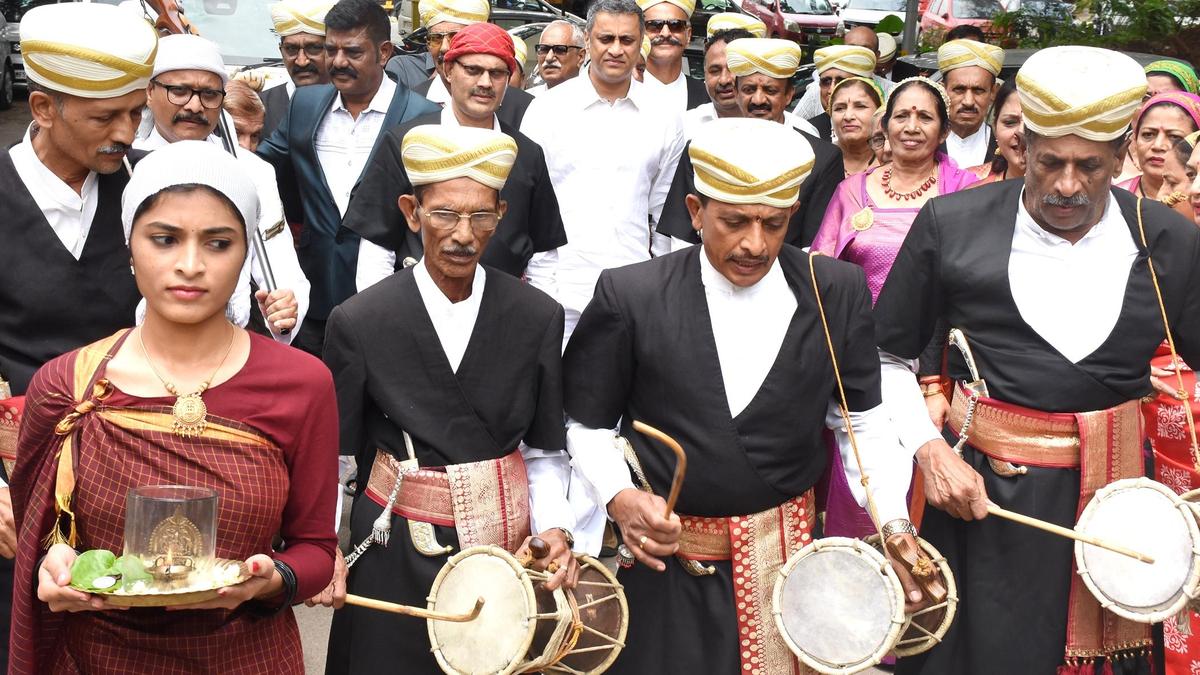
The Karnataka Kodava Sahitya Academy has requested a formal review of CBSE Class X English textbooks, citing inaccuracies regarding the community's origins and attire. They are calling for the correction or removal of statements labeling the Kodavas as being of Greek or Arabic descent.
Dispute Over Historical Representation in CBSE Curricula
The Karnataka Kodava Sahitya Academy has formally challenged the content of the CBSE Class X English textbook Glimpses of India, specifically the chapter titled “Coorg.” The Academy, led by president Ajjinikanda C. Mahesh Nachaiah, has petitioned the CBSE Text Committee to review, correct, or withdraw passages that they argue misrepresent the historical origins and cultural heritage of the Kodava community. This dispute highlights the ongoing tension between standardized national educational materials and the preservation of authentic cultural narratives.
The Controversy Over Origins
At the heart of the contention is the textbook’s assertion that the Kodava people are “possibly of Greek or Arabic descent.” The Academy argues that these claims are historically unsubstantiated and lack the rigorous academic backing required for inclusion in a national curriculum. By presenting these speculative theories as pedagogical fact, the textbook risks perpetuating myths that the community finds inaccurate and potentially reductive of their distinct socio-historical identity.
Addressing Cultural Attire
Beyond the question of ancestry, the Academy has raised concerns regarding the textbook’s description of the traditional Kodava attire. The preservation of indigenous cultural symbols is a sensitive matter for the Kodava community, and they view the current descriptions as potentially misleading or culturally insensitive. The Academy’s demand for a scholarly review emphasizes the necessity for the CBSE to consult with local cultural bodies to ensure that descriptions of regional communities are handled with nuance and accuracy.
Broader Implications for National Curriculum
The situation serves as a broader case study on the challenges of centralizing educational content for a highly diverse nation like India. When national boards attempt to condense the history of specific communities into brief textbook chapters, there is an inherent risk of oversimplification or the reliance on outdated colonial-era narratives. The Kodava Sahitya Academy’s intervention highlights the importance of incorporating local stakeholders into the curriculum development process to avoid the dissemination of contested or erroneous information.
The Path Toward Reconciliation
The Academy’s request for a formal review, correction, and potential withdrawal of the passages represents a call for accountability in educational publishing. By seeking a scholarly reassessment, the Academy is not merely asking for an edit, but for a shift in how educational institutions validate the history of indigenous and regional groups. This incident underscores the ongoing necessity for national boards to periodically audit their content to ensure it reflects current historical understanding and respects the sensitivities of the communities being portrayed.
Concluding Summary
The petition filed by the Karnataka Kodava Sahitya Academy is a significant development in the discourse surrounding cultural representation in Indian textbooks. By challenging the unsubstantiated claims regarding their origins and attire, the Academy advocates for a more rigorous and inclusive approach to educational content. Moving forward, the CBSE’s response will likely set a precedent for how future disputes regarding the portrayal of regional communities in national curricula are handled.
Verification Required?