AQI ‘poor’ in parts of Kolkata, outskirts amid Chhath celebrations
Source Entity
India Latest News: Top National Headlines Today & Breaking News | The Hindu
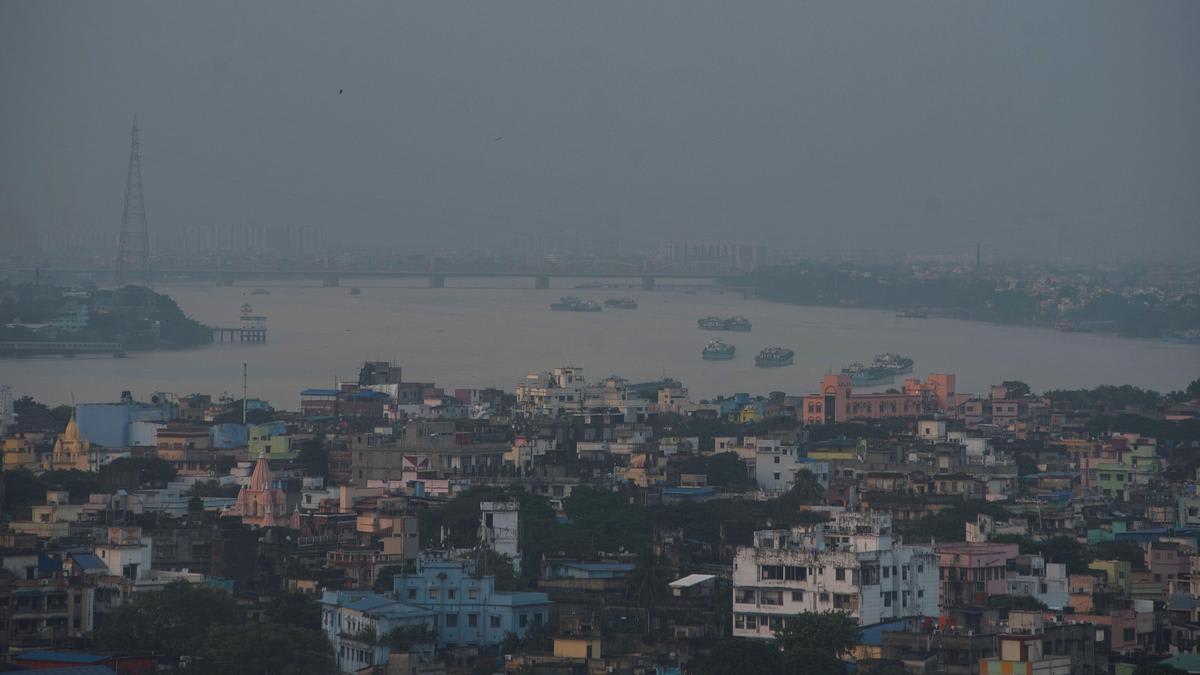
Air quality levels in Kolkata and Delhi have deteriorated to 'poor' and 'very poor' categories following festive celebrations and seasonal weather shifts. Authorities report rising AQI trends as meteorological conditions like shallow fog exacerbate pollution across both cities.
Air Quality Crisis: A Dual-City Challenge
Recent air quality data from November 16, 2026, highlights a significant environmental concern across two of India's major urban centers: Kolkata and Delhi. In Kolkata, the aftermath of Chhath Puja celebrations has led to a noticeable decline in air quality, with specific areas like Barrackpore recording an AQI of 230. This 'poor' air quality is directly linked to the widespread bursting of firecrackers during the early morning festivities, a recurring challenge for local environmental authorities during major public celebrations.
Kolkata: The Impact of Festivities on Urban Air
The West Bengal Pollution Control Board (WBPCB) has confirmed that the 'poor' air quality is not isolated to the city center. Monitoring stations at Rabindra Bharati University and Victoria Memorial recorded AQI levels of 219 and 212, respectively. While Belur Math in Howrah maintained a 'moderate' reading of 162, the overall trend indicates that dense urban pockets are struggling to disperse pollutants effectively. The correlation between the timing of Chhath Puja firecracker activity and these elevated AQI levels underscores the difficulty of balancing traditional celebrations with public health requirements.
Delhi: Meteorological Factors and Deteriorating Trends
Simultaneously, the national capital, Delhi, faces a more systemic crisis. With an AQI of 218 recorded at 8:00 a.m. on Monday, the city remains firmly in the 'poor' category. However, the situation is compounded by localized hotspots, such as Siri Fort, which reached a 'very poor' level of 350. Unlike the event-driven pollution in Kolkata, Delhi's air quality is being driven by a combination of urban emission loads and unfavorable meteorological conditions.
The Role of Weather and Seasonal Shifts
The India Meteorological Department (IMD) reports that shallow fog has begun to blanket Delhi, a phenomenon that traps particulate matter near the ground. With temperatures ranging between 14°C and 16°C, the lack of sufficient wind speeds to disperse pollutants suggests that the air quality is unlikely to improve in the immediate future. Projections indicate that Delhi may experience 'very poor' air quality for at least the next six days, exacerbated by an anticipated 2-3°C drop in maximum temperatures over the coming days.
Broader Implications and Future Outlook
The simultaneous degradation of air quality in both Kolkata and Delhi serves as a stark reminder of the seasonal vulnerability of Indian cities to high pollution levels. While Kolkata’s spike is largely attributed to specific festive activities, Delhi’s situation reflects a chronic struggle with atmospheric stability and temperature inversions. As winter approaches, the combination of stagnant air and localized pollution sources will likely necessitate stricter enforcement of emission regulations and public health advisories to protect vulnerable populations from long-term respiratory exposure.
Verification Required?