Kolkata Metro to go driverless: Green, Purple lines to soon operate high-tech ‘unmanned’ transits
Source Entity
Sweety Kumari
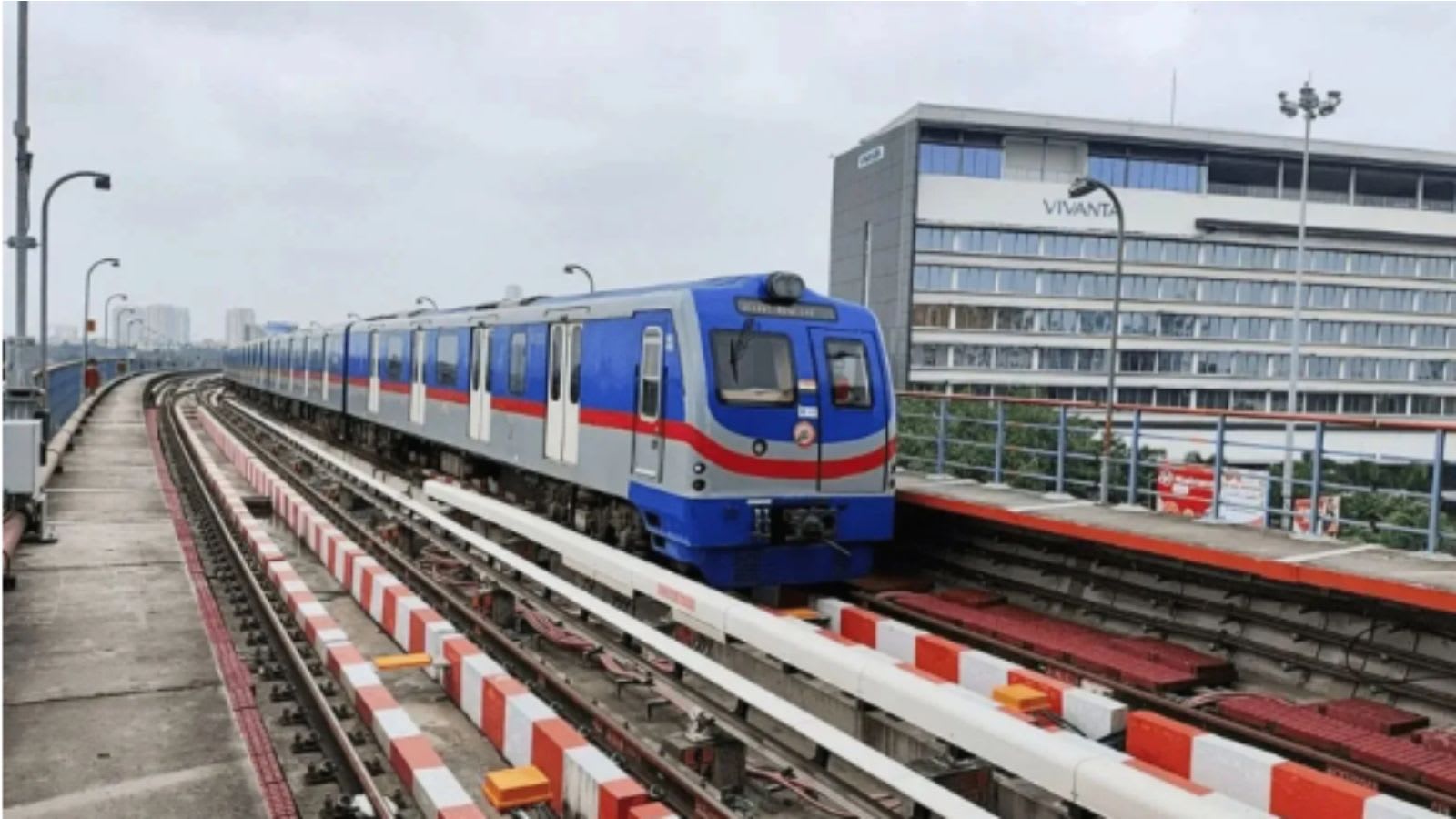
Kolkata Metro is transitioning toward high-tech transit with the introduction of driverless operations on the Green and Purple lines, alongside the completion of critical stalled work on the Orange Line (Line 6) to alleviate urban traffic bottlenecks.
The Technological Evolution of Kolkata's Transit System
Kolkata is poised for a significant leap in urban mobility as the city's metro network transitions toward high-tech, unmanned transit operations. The announcement that the Green and Purple lines will soon operate driverless trains marks a pivotal shift from traditional manual operation to an automated system. This modernization is not merely a luxury but a strategic upgrade designed to enhance the efficiency, safety, and frequency of trains in one of India's most densely populated metropolitan areas. By removing the reliance on manual intervention for routine operations, the city aims to minimize human error and optimize the headway between trains, allowing for a higher volume of passengers to be transported during peak hours.
Implementing Unmanned Transit: The Technical Shift
The move toward driverless operations typically involves the implementation of Communication-Based Train Control (CBTC) systems. This technology allows trains to communicate their exact position to a central control center in real-time, enabling the system to maintain safe distances between trains while maximizing track capacity. For the Green and Purple lines, this transition signifies a move toward Grade of Automation (GoA) levels that reduce or eliminate the need for an on-board driver. This shift is expected to result in smoother acceleration and braking, leading to a more comfortable passenger experience and improved energy efficiency, as automated systems can optimize speed profiles more precisely than human operators.
Resolving Infrastructure Bottlenecks: The Orange Line
Parallel to the technological upgrade of existing lines, the completion of stalled work on Line 6, known as the Orange Line, addresses a critical infrastructure pain point. For years, stalled construction projects in dense urban corridors often create severe traffic bottlenecks, hindering the movement of both public and private transport. The resolution of these delays is a major victory for the city's urban planning. By finalizing the work on the Orange Line, the metro network expands its reach, providing an alternative to the congested road networks of Kolkata. This completion is expected to significantly reduce travel time for commuters and decrease the overall carbon footprint of the city by encouraging a shift from road-based transit to rail.
Broader Implications for Urban Connectivity
The synergy between the introduction of driverless trains and the expansion of the Orange Line represents a holistic approach to urban connectivity. The Green and Purple lines serve as vital arteries in the city's transit map; automating them ensures that the core of the city remains fluid and accessible. Meanwhile, the Orange Line's completion bridges gaps in the network, ensuring that peripheral areas are better integrated with the central business districts. Together, these developments mitigate the 'last-mile' struggle and reduce the systemic stress on Kolkata's aging road infrastructure, which has long struggled to keep pace with the city's growth.
Historical Context and Future Trends
Historically, the Kolkata Metro was the first in India, and it has often been seen as a pioneer in the country's transit history. However, as other cities like Delhi and Bengaluru adopted newer technologies, Kolkata's need for a high-tech overhaul became evident. This current trajectory toward unmanned transits aligns Kolkata with global trends seen in cities like Singapore, Paris, and Dubai. Looking forward, it is likely that this automated framework will be scaled across all subsequent lines. The success of the Green and Purple lines will serve as a blueprint for integrating artificial intelligence and automated signaling across the entire network, potentially leading to a fully integrated, smart transit ecosystem.
Summary of Impact
In conclusion, the dual progress of implementing driverless trains on the Green and Purple lines and completing the stalled Orange Line marks a new era for Kolkata's public transport. These initiatives collectively address both the quality of service (through automation) and the reach of the network (through infrastructure completion). As the city moves toward this high-tech future, the result will be a more resilient, efficient, and sustainable urban transport system that can support the evolving needs of its millions of residents.