Raincoats, no selfies: New guidelines for puja pandals after Kolkata stampede
Source Entity
Latest News: Todays Latest News Headlines from India & World | Hindustan Times | Hindustan Times
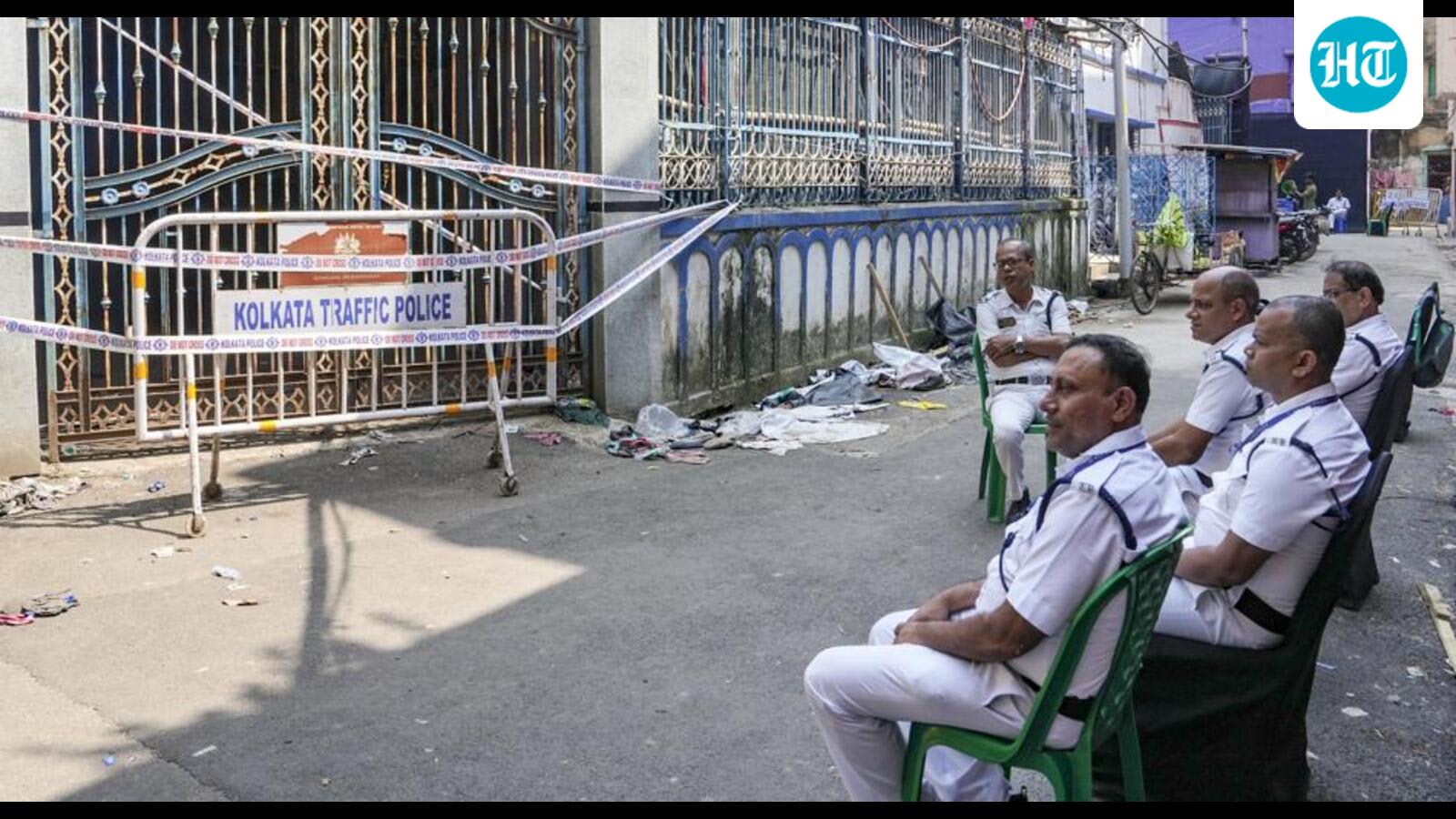
A tragic stampede at a Kolkata Durga Puja pandal resulted in 19 deaths, leading to arrests and a push for judicial investigation. Authorities are now mandating stricter safety protocols and exploring AI-based crowd management to prevent future disasters.
The Kolkata Pandal Tragedy: A Critical Analysis of Crowd Management
The Anatomy of a Disaster
The recent tragedy in North Kolkata, where a stampede during the Saptami festivities at the Chorbagan Durga Puja pandal claimed 19 lives and left 24 injured, has sent shockwaves through the region. The incident, triggered by a combination of a massive surge in attendance, heavy rain rendering streets slippery, and alleged crowd control failures, highlights the lethal risks associated with large-scale public gatherings in densely populated urban environments. Reports suggest that a panic-inducing announcement within the pandal, coupled with narrow bylanes and inadequate egress, created a perfect storm for the fatal crush.
Accountability and Legal Ramifications
In the aftermath, the administrative response has been swift. A suo motu case for culpable homicide not amounting to murder has been registered, leading to the arrest of seven individuals, including key office-bearers of the organizing committee. The government has pledged a judicial probe to investigate the lapses, promising transparency and potential reforms. Furthermore, financial compensation of Rs 5 lakh per victim has been announced, alongside logistical support to transport the deceased to their homes, signaling a state-level acknowledgment of the gravity of the systemic failure.
The Role of Technology in Crowd Safety
As the city mourns, experts are turning toward technological solutions to prevent a recurrence. The integration of artificial intelligence in crowd monitoring—such as AI-enabled cameras that detect density build-ups in real-time—is being championed as a vital necessity. Digital ticketing systems, automated people counters, and entry gates linked to live occupancy data could effectively prevent venues from exceeding their safety capacities. By creating an integrated safety network, authorities aim to bridge the gap between detection and emergency response.
Beyond Tech: The Necessity of Ground-Level Planning
Despite the promise of high-tech surveillance, experts caution that technology cannot serve as a panacea for poor urban planning. The Kolkata incident underscores that narrow exits, poorly placed barricades, and inadequate evacuation strategies remain the primary inhibitors of safety. Technological alerts are only useful if they are coupled with swift, decisive action from ground-level personnel. Therefore, the Forum for Durgotsab has introduced immediate, practical directives, including the mandatory provision of raincoats for volunteers, the use of walkie-talkies for communication, and the prohibition of activities like taking selfies or filming videos that slow down crowd movement.
Future Trends and Policy Shifts
Moving forward, the focus is shifting toward a more regulated approach to public festivities. The enforcement of stricter guidelines—such as regular, clear public announcements and the rigorous review of pandal layouts by police—is becoming the new standard. The tragedy has catalyzed a cultural shift, with many attendees now expressing heightened wariness of crowded spaces. As Kolkata moves to reform its approach, the emphasis must remain on the synergy between advanced monitoring systems and the fundamental principles of crowd psychology and emergency management to ensure that cultural celebrations do not come at the cost of human lives.
Multiple Citing Sources
Verification Required?