Popular cosmetics company files for Chapter 11 bankruptcy
Source Entity
Yahoo Finance
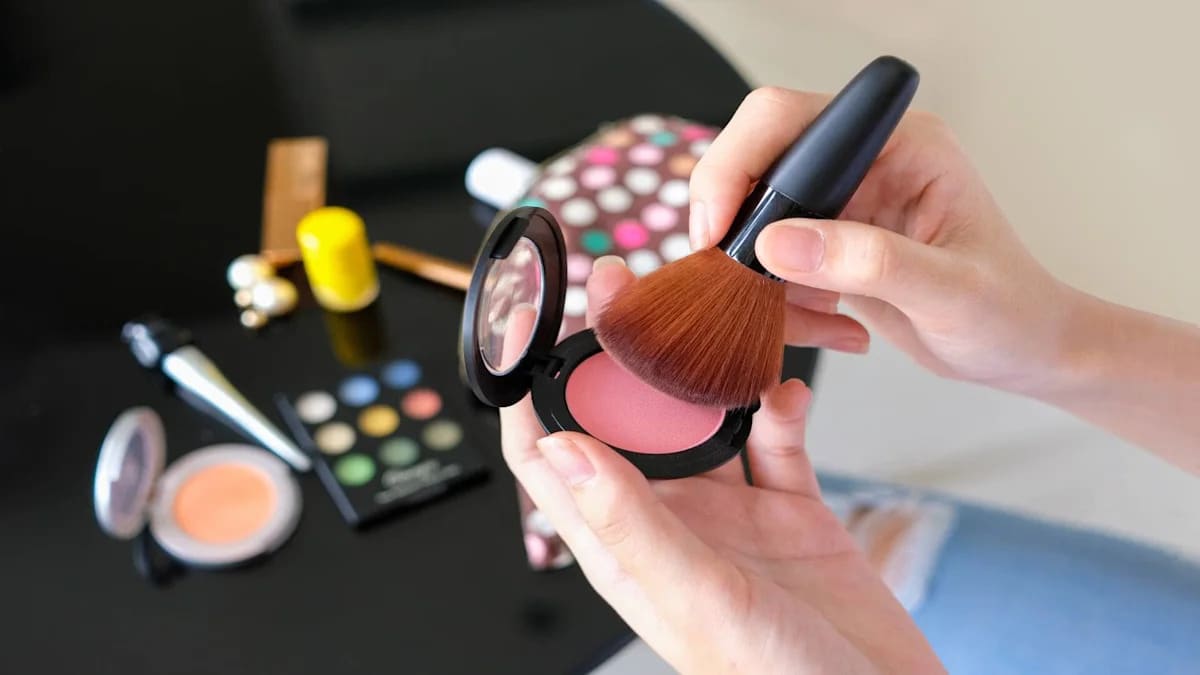
The U.S. beauty market is witnessing a surge in Korean products, with Morgan Stanley projecting $4 billion in sales by 2026. While retailers like Olive Young are expanding rapidly, some American firms are struggling to compete, leading to Chapter 11 bankruptcy filings.
The K-Beauty Revolution in the American Retail Landscape
The American beauty industry is undergoing a seismic shift as Korean beauty—or 'K-beauty'—transitions from a niche interest into a dominant force in the U.S. retail market. Morgan Stanley has projected that K-beauty sales in the U.S. will reach approximately $4 billion by 2026, a forecast underpinned by the massive consumer interest seen during recent retail expansions. The arrival of South Korean retail giant Olive Young in California serves as a primary indicator of this trend, with its Pasadena location drawing thousands of shoppers and maintaining a steady stream of over 1,600 daily visitors.
Consumer Demand and Retail Expansion
The success of Olive Young’s U.S. debut, marked by block-long queues and high foot traffic, highlights a profound change in consumer behavior. Shoppers are increasingly prioritizing the unique formulations and accessibility of Korean skincare products. By establishing a physical footprint in locations like Pasadena and Century City, these retailers are bridging the gap between digital discovery and brick-and-mortar engagement, effectively securing a loyal customer base that was previously limited to online cross-border shopping.
The Competitive Pressure on Domestic Firms
While the growth of Korean beauty presents a massive opportunity for some, it has simultaneously created a challenging environment for traditional U.S. cosmetic companies. Since 2020, the domestic industry has faced intensifying competition from the Asian market. As Korean products capture an increasing share of the consumer wallet, American firms are struggling to maintain margins and market relevance, leading to significant economic distress across the sector.
Financial Turbulence: The Bankruptcy of Pine Cosmetic Inc.
The volatility of this transition is best exemplified by the recent financial woes of industry participants. Pine Cosmetic Inc., a New York-based firm that specialized in marketing Korean skincare products, has filed for Chapter 11 bankruptcy protection. Despite the broader category's popularity, Pine Cosmetic Inc. represents the difficulties inherent in navigating a highly competitive and shifting retail landscape. The company now seeks to reorganize its business via bankruptcy court, illustrating that even entities embedded in the K-beauty sector are not immune to the pressures of the modern beauty economy.
Future Trends and Market Outlook
Looking toward 2026, the trajectory for K-beauty remains bullish, though the market will likely consolidate. The contrast between the rapid physical expansion of major players like Olive Young and the bankruptcy reorganization of smaller firms like Pine Cosmetic Inc. suggests a 'survival of the fittest' phase. Companies that can effectively manage supply chains and maintain consumer trust will likely thrive, while those unable to adapt to the rapid pace of trend cycles and the high cost of retail operations may continue to face insolvency risks. The $4 billion revenue milestone will be a critical litmus test for the long-term sustainability of this international beauty trade.
Multiple Citing Sources