Kota C-section victims demand kidney transplant in 48 hours, write to President
Source Entity
India Latest News: Top National Headlines Today & Breaking News | The Hindu
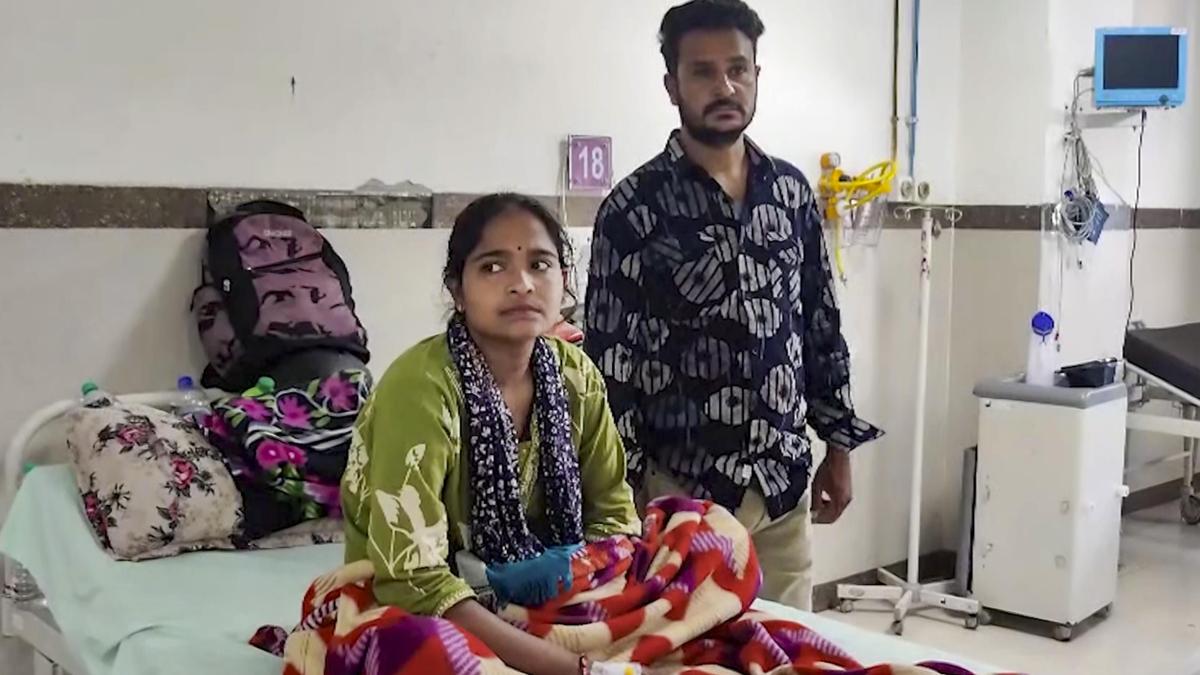
Women in Kota who suffered kidney failure following C-section surgeries are demanding urgent kidney transplants within 48 hours and have petitioned the President of India for intervention after undergoing 32 rounds of dialysis in 68 days.
Urgent Plea for Life: Kota C-Section Victims Seek Presidential Intervention
In a harrowing development highlighting potential medical negligence and a critical healthcare crisis, women in Kota have issued a desperate plea to the President of India. These women, who underwent C-section surgeries, are now battling severe kidney failure, a condition that has left them dependent on life-sustaining dialysis. The urgency of their situation is underscored by their demand for kidney transplants within a strict 48-hour window, reflecting a state of medical emergency where every hour is critical for their survival.
The Toll of Medical Complications
The severity of the health crisis is evidenced by the grueling medical regimen the victims have endured. According to reports, these women have undergone as many as 32 rounds of dialysis within a span of just 68 days. Dialysis is an exhausting process that filters waste from the blood when kidneys fail; the frequency of these sessions suggests an acute and aggressive form of renal failure. This indicates that the complications arising from their C-sections were not merely minor setbacks but catastrophic failures that have compromised their internal organ functions, leaving them in a fragile state of health.
Analyzing the Path from Surgery to Renal Failure
From a clinical perspective, the transition from a C-section to kidney failure typically involves severe complications such as septicemia, massive postpartum hemorrhage, or adverse reactions to anesthesia. When the body enters a state of shock or severe infection (sepsis), the blood pressure can drop precipitously, leading to acute kidney injury (AKI). In the context of the Kota victims, the scale of the tragedy suggests a systemic failure in either the perioperative care or the immediate postoperative monitoring, which allowed a manageable complication to escalate into full-scale organ failure.
The Socio-Political Dimension of the Appeal
By writing to the President of India, the victims have elevated a local medical grievance to a national human rights issue. This action signifies a complete breakdown of trust in local hospital administrations and state health authorities. When patients bypass traditional legal channels or local health ministries to approach the highest office in the land, it highlights a perceived lack of accountability and a failure of the local grievance redressal mechanisms. This move is a strategic attempt to bring national visibility to their plight, hoping that executive pressure will force the medical establishment to provide the necessary transplants and compensation.
Broader Implications for Healthcare in Tier-2 Cities
This incident sheds light on the precarious nature of maternal healthcare in rapidly growing urban centers like Kota. While these cities often have a high density of private clinics and hospitals, the lack of stringent oversight and standardized protocols for emergency obstetric care can lead to fatal outcomes. The demand for transplants within 48 hours underscores the gap between the availability of surgical facilities and the actual capacity to provide complex, life-saving organ transplants in a timely and ethical manner.
Future Trends and Necessary Reforms
Looking forward, this case is likely to spark a debate on medical malpractice and the legal protections afforded to maternal health patients in India. We can expect an increase in demands for mandatory transparency in surgical outcomes and stricter licensing for facilities performing high-risk procedures like C-sections. If the government responds to this presidential petition, it could set a precedent for faster intervention in cases of medical negligence, potentially leading to the establishment of specialized ombudsmen for healthcare victims.
Summary
The situation in Kota is a tragic intersection of medical failure and bureaucratic desperation. The demand for kidney transplants within 48 hours is not merely a medical request but a cry for survival from women whose lives were irrevocably altered by a procedure intended to bring new life into the world. The outcome of their appeal to the President will be a litmus test for the accountability of the healthcare system in the region.
Verification Required?