KPMG US CEO says AI poses new cyber risks as companies plan job cuts and hire tech talent
Source Entity
Latest News: Todays Latest News Headlines from India & World | Hindustan Times | Hindustan Times
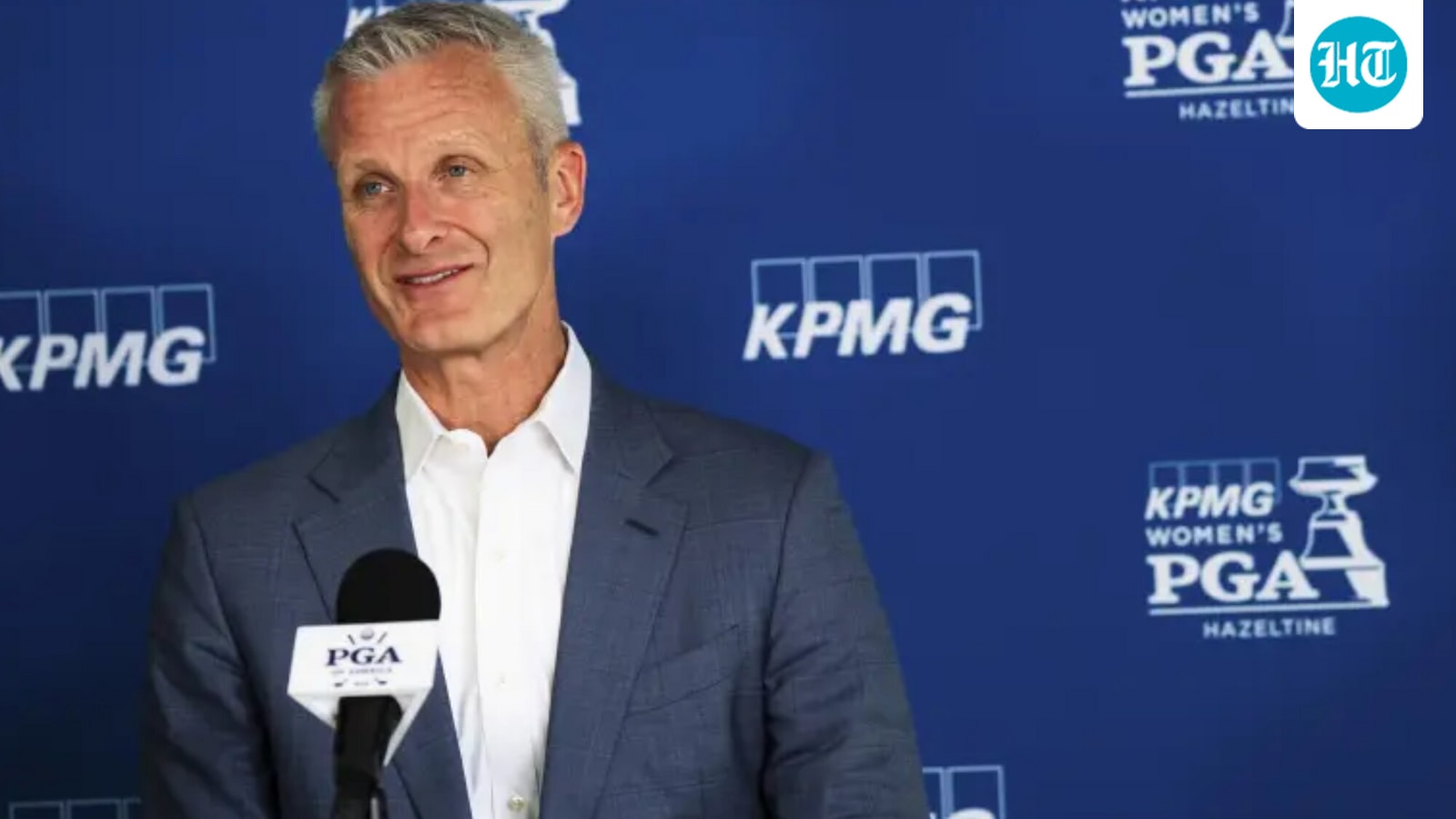
KPMG US CEO Tim Walsh differentiates current AI challenges from the Y2K bug, emphasizing that AI creates persistent cybersecurity threats rather than a one-time failure. The firm's outlook highlights that 85% of CEOs expect cybercrime to impact their operations, necessitating strategic shifts in hiring and workforce management.
The New Frontier: Why AI Challenges Transcend the Y2K Paradigm
KPMG US Chair and CEO Tim Walsh has recently offered a critical perspective on the current technological landscape, specifically distancing the rapid integration of artificial intelligence from the historical anxieties surrounding the Y2K bug. While the turn of the millennium was defined by a singular, time-bound fear of catastrophic system failure, Walsh posits that AI represents a fundamentally different, ongoing architectural shift. Unlike the Y2K event, which had a clear deadline and a known set of corrective measures, AI is a dynamic, evolving ecosystem that demands continuous adaptation rather than a one-time fix.
The Escalation of Cybersecurity Threats
The most pressing concern highlighted in the KPMG 2026 US CEO Outlook is the heightened vulnerability of corporate infrastructure to malicious actors. With 85% of surveyed CEOs identifying cybercrime as a primary threat to their organizations, the narrative has shifted from preventing system obsolescence to defending against sophisticated, AI-enhanced attacks. This data suggests that the integration of AI tools—while operationally beneficial—simultaneously expands the attack surface, requiring firms to implement more robust, adaptive security protocols that far exceed traditional perimeter defense models.
Workforce Transformation and the Talent Gap
Beyond technical security, Walsh’s analysis touches upon the human element of this technological revolution. As businesses pivot to leverage AI, the demand for specialized talent is skyrocketing, leading to a dual-track workforce strategy: cutting roles in traditional sectors while aggressively hiring for tech-centric positions. This transition creates a significant challenge for leadership, as they must balance immediate operational efficiency with the long-term necessity of upskilling their existing workforce to remain relevant in an AI-driven economy.
Strategic Implications for Modern Leadership
The role of the CEO has evolved from overseeing steady-state growth to managing constant, high-stakes technological volatility. Walsh’s comparison underscores that businesses can no longer rely on 'fire-and-forget' solutions. Instead, strategic planning must now be rooted in agility, constant surveillance, and the anticipation of emerging threats. This requires a cultural shift within organizations, where cybersecurity is no longer viewed as an IT-only concern but as a core pillar of business strategy and risk management.
Conclusion: Navigating the Future
In summary, the transition into the AI era requires a departure from the reactive mindset that characterized the Y2K era. By acknowledging that AI-related risks are persistent and pervasive, leaders like Tim Walsh are signaling a new chapter in corporate governance. The path forward for organizations will be defined by their ability to harmonize human talent with advanced AI tools while maintaining a defensive posture that can withstand the increasingly complex landscape of global cybercrime.
Verification Required?