KSRTC ready to run private buses on wet lease basis, Transport Minister C.P. John tells Keralam Assembly
Source Entity
India Latest News: Top National Headlines Today & Breaking News | The Hindu
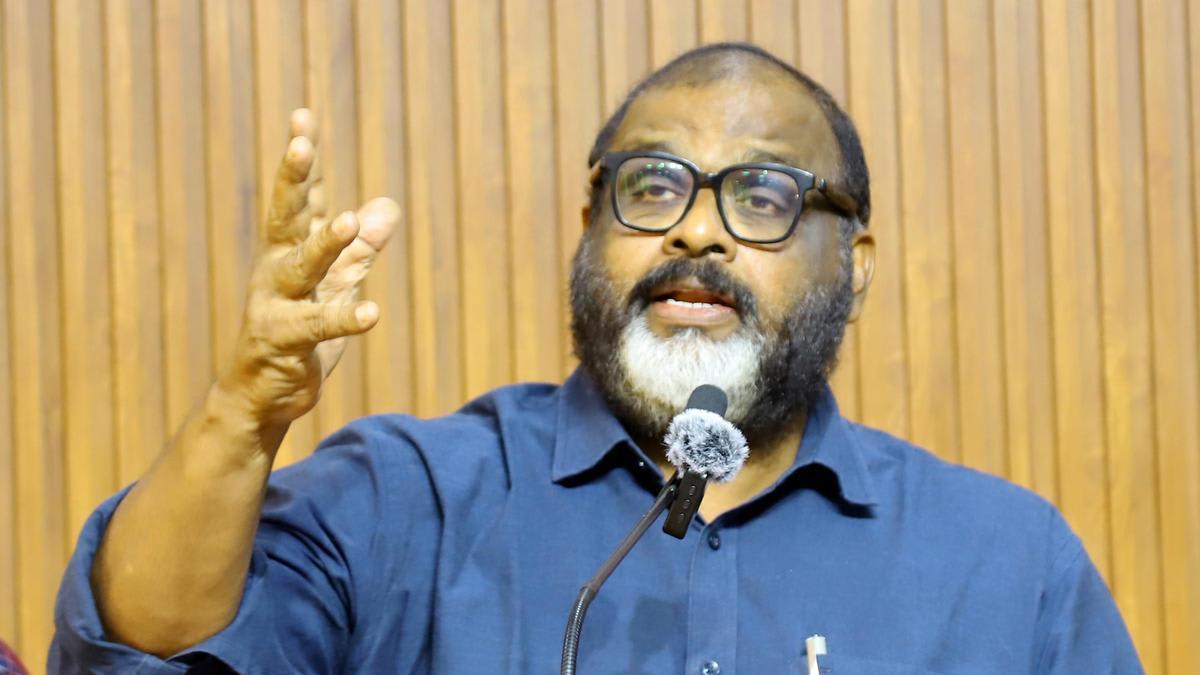
Kerala Transport Minister C.P. John announced that the KSRTC is prepared to operate private buses on a wet lease basis. This initiative aims to resolve the ongoing crisis in the private bus sector by fostering a complementary partnership between state and private operators.
Kerala's Strategic Shift in Public Transportation
In a significant policy development, Kerala Transport Minister C.P. John announced in the State Assembly that the Kerala State Road Transport Corporation (KSRTC) is prepared to integrate private buses into its operations through a wet lease model. This announcement comes in response to a calling attention motion raised by CPI(M) MLA N.K. Akbar, highlighting the severe financial and operational crisis currently gripping the state's private bus sector. By proposing this shift, the government aims to restructure the public transport landscape, moving away from competitive friction toward a unified, state-managed service model.
The Mechanics of the Wet Lease Proposal
The proposed wet lease arrangement is designed to streamline costs and responsibilities between the state and private stakeholders. Under the terms discussed, private operators would remain responsible for critical operational expenditures, specifically diesel costs and vehicle maintenance. In exchange, the KSRTC would manage the route operations and ticket collection. This model effectively transfers the burden of fleet upkeep to the private owners while allowing the state to leverage its regulatory and operational infrastructure to ensure consistent service delivery.
Economic Implications and Revenue Sharing
A pivotal point in these negotiations is the proposed rate of ₹55 per kilometer, a figure suggested by private bus operators to ensure their financial viability. The Minister’s willingness to entertain this rate signifies a departure from the traditional adversarial relationship between the KSRTC and private bus owners. By centralizing revenue collection, the KSRTC aims to optimize route efficiency and ensure that public transport remains reliable, even in areas where private operators previously struggled to maintain profitability due to fluctuating fuel prices and operational overheads.
Fostering a Complementary Ecosystem
Minister C.P. John emphasized that the objective is to transform the public transport sector into a complementary ecosystem rather than one characterized by competing interests. For decades, the KSRTC and private operators have often been viewed as working at cross-purposes, leading to redundant services on profitable routes and gaps in service in rural or less populated areas. By bringing private buses under the KSRTC umbrella, the government intends to harmonize schedules and coverage, ultimately benefiting the commuting public.
Broader Context and Future Trends
This policy shift reflects a growing trend in Indian public transport, where state-run corporations are increasingly looking toward private-public partnerships to mitigate mounting losses. The KSRTC has faced long-standing financial challenges, and incorporating private fleet capacity on a wet lease basis provides a pathway to modernize the state's transport network without the massive capital expenditure required to purchase new buses. If successful, this model could serve as a blueprint for other states facing similar crises in their public bus sectors.
Conclusion and Path Forward
The move by the Kerala government to integrate private operators via wet leasing is a pragmatic response to the economic realities facing the transport industry. While the technical terms of the arrangement are still under discussion, the legislative commitment to finding a collaborative path forward is a positive development. Success will ultimately depend on the fine-tuning of the per-kilometer rate and the ability of the KSRTC to manage the increased operational volume effectively, ensuring that the final outcome improves mobility for the citizens of Kerala.
Verification Required?