Explosions Heard In Kyiv As Russia Increases Airstrikes On Energy Infrastructure
Source Entity
NDTV News Search Records Found 1000
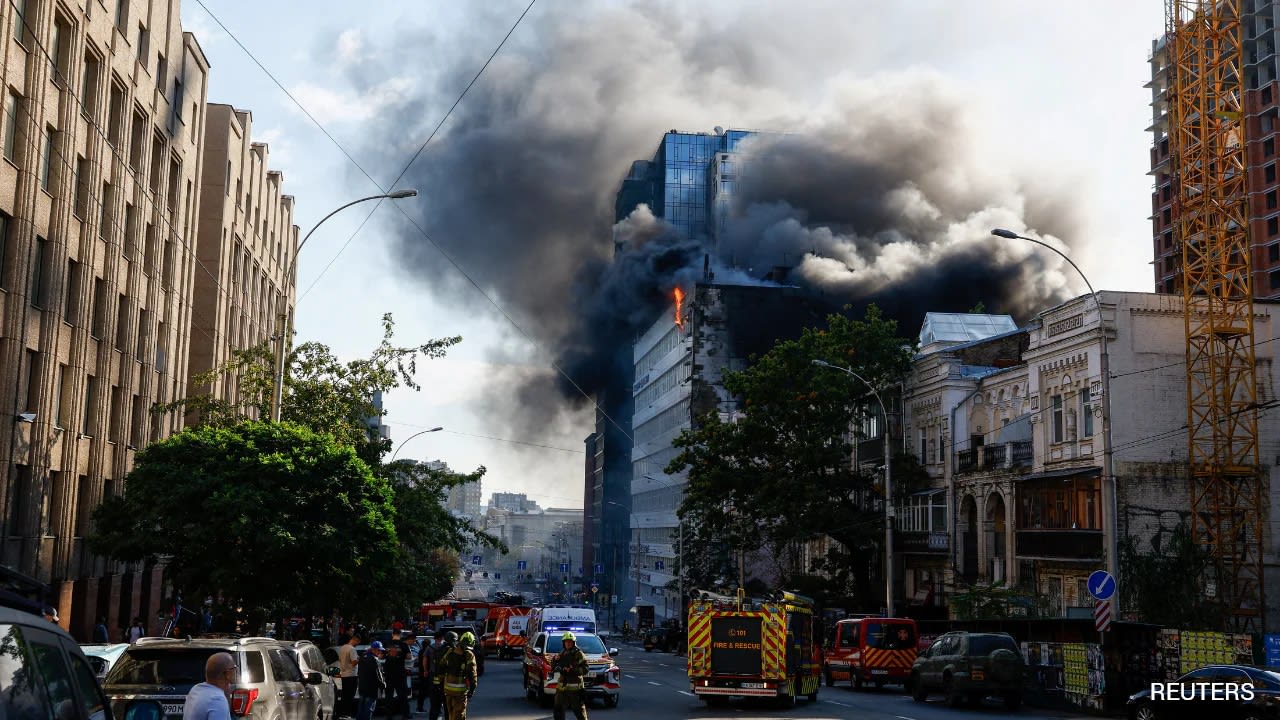
Kyiv is facing a relentless wave of Russian airstrikes targeting critical energy infrastructure. The constant activation of air raid sirens reflects an escalating campaign aimed at crippling the city's power grid.
The Escalation of Aerial Warfare in Kyiv
Recent reports indicate a sharp intensification of hostilities in the Ukrainian capital, as Kyiv faces a sustained barrage of Russian airstrikes. The primary objective of these attacks appears to be the systematic degradation of the city's critical energy infrastructure. By targeting power stations and distribution networks, the strikes seek to compromise the functional capacity of the metropolitan area, creating a climate of persistent instability and hardship for the civilian population.
The Psychological and Tactical Impact of Constant Sirens
The auditory backdrop of this conflict has shifted, with air raid sirens now sounding almost constantly, both day and night. This state of perpetual alert serves as a tactical tool to exhaust the population while forcing defensive systems to remain in a state of high readiness. The psychological toll of living under the constant threat of aerial bombardment cannot be overstated, as it disrupts the rhythm of daily life and infrastructure maintenance.
Strategic Targeting of Energy Infrastructure
Russia’s renewed focus on energy infrastructure represents a strategic shift toward attrition warfare. By aiming to disable the electrical grid, the offensive seeks to undermine the logistical support necessary for urban survival during extreme conditions. This approach is designed to create a cascading effect, where the failure of power affects water sanitation, heating, and emergency medical services, thereby placing immense pressure on the city's administrative and civilian resilience.
Historical Context of Grid Warfare
Historically, the targeting of energy grids in modern conflicts is a tactic used to force political concessions by demonstrating the vulnerability of a nation’s vital systems. In the context of the ongoing conflict, this strategy is an attempt to erode the domestic front's capacity to continue resistance. The repeated nature of these strikes suggests a coordinated effort to prevent repair crews from restoring damaged facilities, effectively locking the region into a cycle of power instability.
Future Trends and Resilience
Looking forward, the persistence of these strikes suggests that Kyiv will continue to face severe challenges in maintaining its energy independence. Future trends point toward a continued reliance on decentralized power solutions and international humanitarian aid to bolster the grid against further degradation. The resilience of the city’s defensive posture will remain the central factor in mitigating the long-term impact of these infrastructure-focused assaults, as the international community watches the humanitarian consequences unfold.
Verification Required?