Intensified Russian strikes are tearing Kyiv apart, warns mayor
Source Entity
BBC News
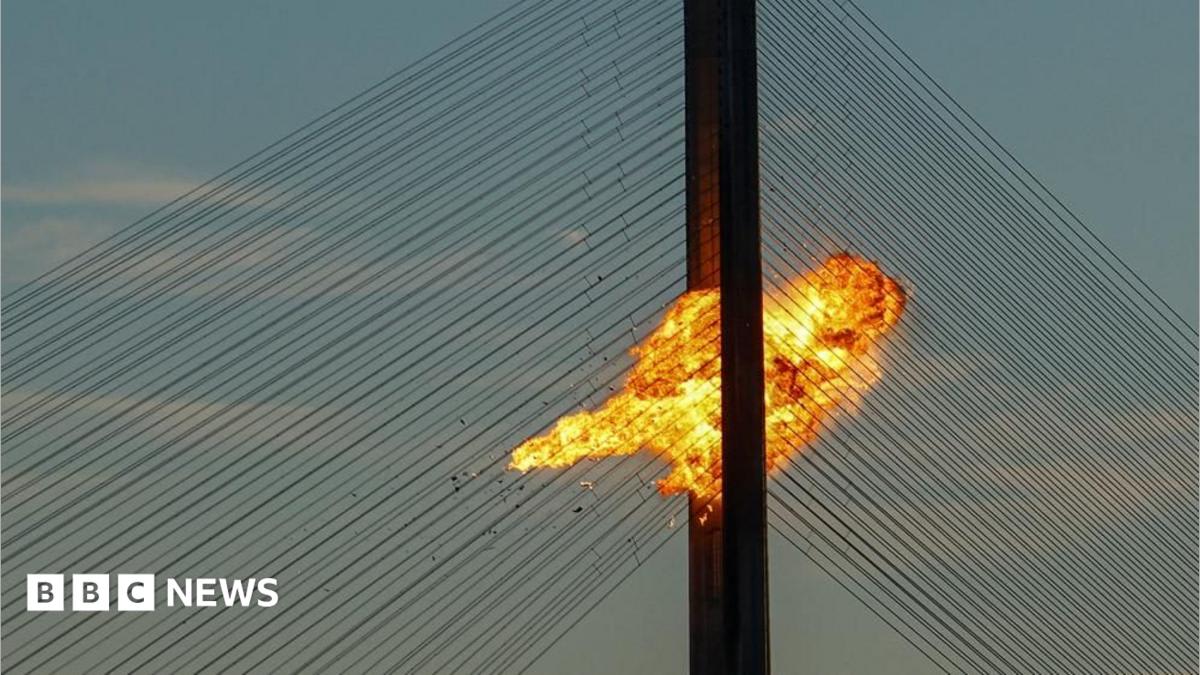
Kyiv faces a critical humanitarian and logistical crisis as repeated Russian drone strikes on the Pivdennyi bridge paralyze the city's transport infrastructure. Mayor Vitaliy Klitschko has declared the situation a struggle for survival, urging unity to maintain city operations despite ongoing bombardment.
The Siege of Kyiv's Infrastructure
The security situation in Ukraine’s capital has reached a critical inflection point as Russian forces intensify their campaign against the city's vital infrastructure. Mayor Vitaliy Klitschko, speaking during a high-level defense council meeting, described the current state of Kyiv as "very dramatic," framing the ongoing bombardment not merely as a tactical military maneuver, but as a fundamental struggle for the survival of the metropolis. By targeting the veins of the city, Russian forces are attempting to disrupt the daily lives of millions and fracture the local administration’s ability to manage emergency responses.
Strategic Targeting of the Dnipro Crossings
At the center of this logistical crisis is the Pivdennyi (Southern) bridge, a crucial artery spanning the Dnipro River that serves as the primary connection between the eastern and western districts of Kyiv. The frequency of the attacks—four strikes within a mere 48-hour window—highlights a deliberate effort to isolate sectors of the city. By disabling this bridge, the Russian military is effectively severing the transport network, forcing the local government to implement severe restrictions on the remaining two major bridges, creating a bottleneck that threatens to stifle the movement of goods, medical supplies, and civilian evacuation efforts.
The Psychological Dimension of Warfare
Beyond the physical destruction, Mayor Klitschko identified a clear psychological objective in these strikes: the intent to "sow panic" among the civilian population. In urban warfare, the morale of the citizenry is as vital as the strength of the front lines. By repeatedly hitting the same infrastructure, the attackers aim to erode public confidence in the state’s protection and create a sense of hopelessness. Klitschko’s call for "joint efforts" among those who care for the city serves as a counter-narrative, emphasizing that social cohesion is the primary defense against such destabilization tactics.
Logistical Consequences and Urban Paralysis
The suspension of all metro and automobile traffic across the Pivdennyi bridge has caused immediate and widespread disruption. Kyiv, a sprawling urban center, relies heavily on these river crossings for its daily functioning. The resulting congestion and delays are not merely inconveniences; they represent a significant hurdle for emergency services and police officials who are currently working to manage the fallout of these strikes. The restriction of movement on other key bridges further exacerbates the vulnerability of the capital, potentially delaying the mobilization of defense assets.
Future Implications and Resilience
Looking forward, the persistence of these attacks suggests that the capital’s infrastructure will remain a primary target as long as the conflict continues. The resilience of Kyiv will be tested by the endurance of its repair crews and the ability of its leadership to maintain essential services under duress. While the city has proven its capacity to withstand previous waves of aggression, the systematic degradation of transport arteries poses a long-term challenge to urban sustainability. Ultimately, the stability of Kyiv will depend on the continued coordination of its security apparatus and the collective resolve of its residents to navigate this period of intense peril.