Major Chinese brands drop Mbappé as backlash grows over Mao joke
Source Entity
BBC News
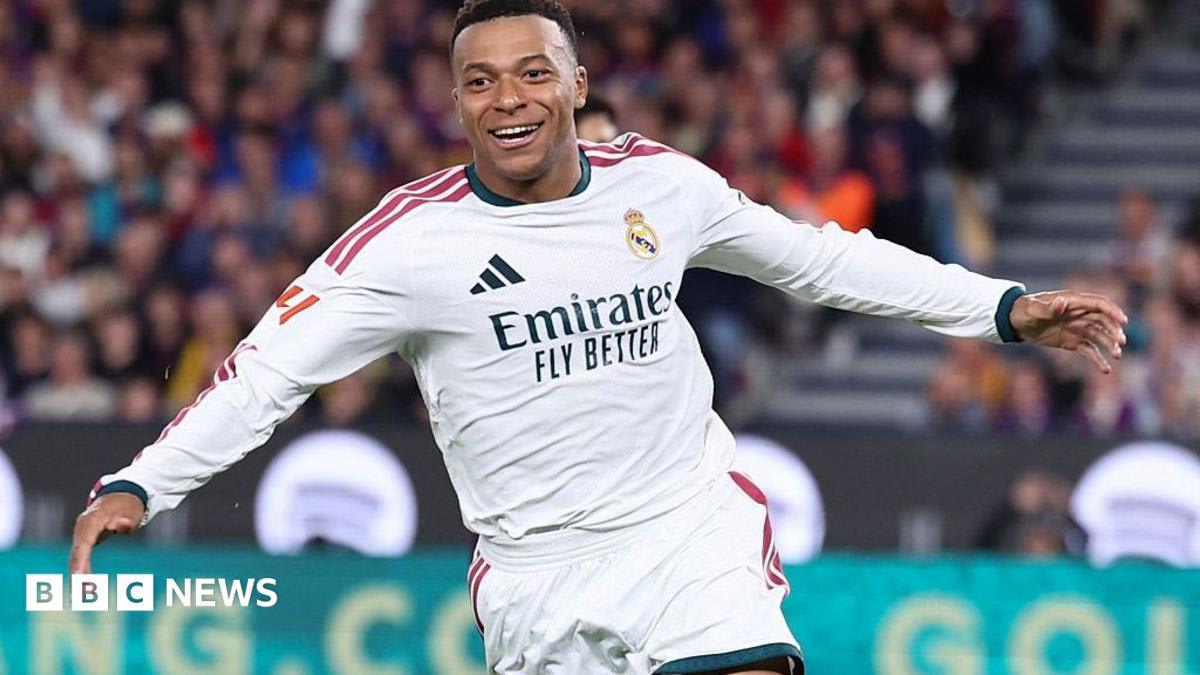
Soccer star Kylian Mbappé faces a major commercial backlash in China after referring to Mao Zedong as a 'dictator' in an interview. Following widespread public criticism and the loss of multiple brand deals, Mbappé has issued a formal apology.
The Intersection of Global Sports and Geopolitical Sensitivity
The recent controversy surrounding Kylian Mbappé serves as a stark reminder of the volatile intersection between global celebrity culture and the rigid political sensitivities of the Chinese market. After allegedly describing a meme featuring his face superimposed on Mao Zedong as his "favourite," the French football star found himself at the center of a firestorm. For international athletes, the Chinese market represents a massive financial opportunity, but as Mbappé has discovered, it also requires a nuanced understanding of domestic historical narratives that are treated with extreme reverence by the state and the public.
The Anatomy of the Backlash
The escalation began when the Chinese football platform Dongqiudi highlighted the comments, labeling them "inappropriate" and asserting that they "hurt the feelings of Chinese people." This specific phrase is a common rhetorical benchmark in Chinese public discourse, often used to signal that a boundary of national dignity has been crossed. The backlash was swift and coordinated, moving from online forums to the corporate sector, where at least three major Chinese brands terminated their endorsement contracts with the player, stripping his image from advertisements in subway stations and elevators across the country.
Official Responses and Diplomatic Weight
Unlike standard celebrity PR crises, this situation drew a direct response from the Chinese Ministry of Foreign Affairs. Spokesperson Lin Jian publicly noted the reports, warning that "words and deeds that hurt the feelings of the Chinese people will naturally be met with opposition from all sectors of Chinese society." This official intervention elevated the incident from a private contractual dispute to a matter of diplomatic friction, underscoring the Chinese government's role in policing the public image of foreign figures who operate within its borders.
The Mechanics of the Apology
Facing the potential erosion of his commercial footprint in the world's second-largest economy, Mbappé issued a formal apology on Tuesday. He characterized his earlier remarks as "ill-judged" and expressed "deep respect" for Chinese history. By pivoting to an apology, the athlete is attempting to mitigate the damage to his global brand. However, the efficacy of this apology remains to be seen, as the narrative surrounding historical figures like Mao Zedong is often non-negotiable in the eyes of the Chinese public and state institutions.
Future Trends in Athlete Branding
This incident highlights a growing trend where global icons are increasingly vulnerable to the sociopolitical climates of the markets they represent. As sports become more globalized, the pressure on athletes to perform cultural due diligence is intensifying. We can expect future endorsement contracts to include much stricter "morality clauses" regarding political discourse, as brands seek to insulate themselves from the rapid, state-sanctioned backlash that can occur when an athlete inadvertently challenges a nation's core ideological tenets.
Conclusion
Kylian Mbappé's experience underscores the precarious nature of international fame in the modern era. While his talent on the pitch remains unquestioned, his ability to navigate the complex geopolitical landscape of his host markets is now a critical component of his career stability. The rapid termination of his Chinese endorsement deals serves as a definitive case study for other athletes on the risks of engaging with sensitive historical topics, regardless of whether the intent was humorous or benign.
Multiple Citing Sources