Around Town: Inside Ladu Samrat’s round-the-clock hustle to feed Lalbaug and the whole of Mumbai this Ganpati
Source Entity
Heena Khandelwal
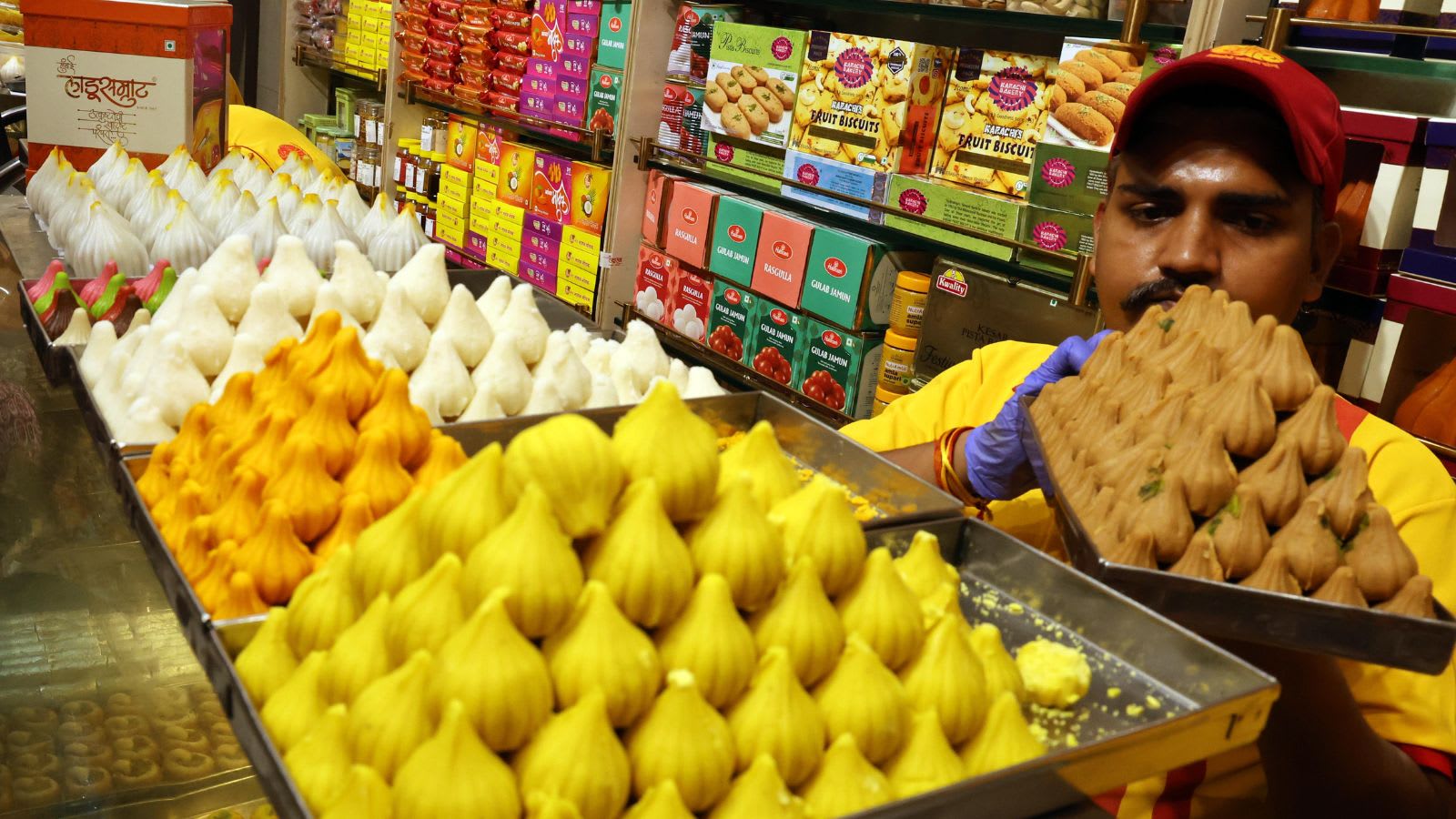
Ladu Samrat in Chinchpokli is operating round-the-clock to produce over 10,000 kg of sweets for the upcoming 10-day Ganpati festival. The iconic eatery serves as a vital culinary stop for thousands of devotees visiting the famed Lalbaugcha Raja and Ganesh Galli pandals.
The Culinary Pulse of Mumbai’s Ganpati Utsav
As Mumbai prepares for the grand arrival of Lord Ganesha on Monday, September 14, the Chinchpokli-based institution Ladu Samrat has entered a state of perpetual motion. The factory has been operating non-stop since the preceding Thursday, shifting its entire production capacity to focus exclusively on traditional sweets. This surge in activity underscores the immense scale of the Ganpati festival, which acts as both a spiritual and economic engine for the city, particularly in the heart of Lalbaug.
Scaling Production for a City-Wide Demand
The figures released by the brand are indicative of the sheer magnitude of public consumption during the 10-day festival. Ladu Samrat is projecting a total output exceeding 10,000 kg of sweets by the time the festival concludes with the final visarjan on September 24. A breakdown of this production reveals a strategic focus on consumer favorites: 4,000 kg of mawa modak, 3,500 kg of motichoor laddu, and a significant volume of savory snacks designed to meet the high demand of festival-goers.
Strategic Location and Cultural Significance
The geographical placement of Ladu Samrat is central to its role in the festival ecosystem. Situated at the critical juncture where vehicle traffic ceases and pedestrian flow toward the Lalbaugcha Raja intensifies, the eatery serves as a bridge for thousands of devotees. Being positioned near the Ganesh Galli’s Mumbai Cha Raja adds another layer of foot traffic, transforming the immediate vicinity into a focal point of the city's cultural energy.
The Post-Darshan Experience
Beyond the ritual of sweets, Ladu Samrat provides a essential service for the weary pilgrim. As a post-darshan hub, the shop is a critical stop for traditional refreshments such as misal pav and vada pav. This integration of sacred pilgrimage and local culinary culture highlights how legacy brands in Mumbai are woven into the fabric of religious events, providing the necessary sustenance for the massive crowds that descend upon the Lalbaug area annually.
Economic Implications of the Festival
The operational intensity observed at Ladu Samrat serves as a microcosm of the broader economic stimulation that the Ganpati festival provides to the local economy. By anticipating sales trends based on historical performance, the establishment manages to balance supply and demand in a high-pressure environment. As the city readies for the festivities starting September 14, the non-stop hustle in the Chinchpokli factory stands as a testament to the enduring importance of traditional craftsmanship and the logistical prowess required to sustain Mumbai’s most iconic celebration.