Pakistan's Own Agency Busts Its 'Diwali Firework' Pollution Theory As AQI Crosses 600
Source Entity
NDTV News Search Records Found 1000
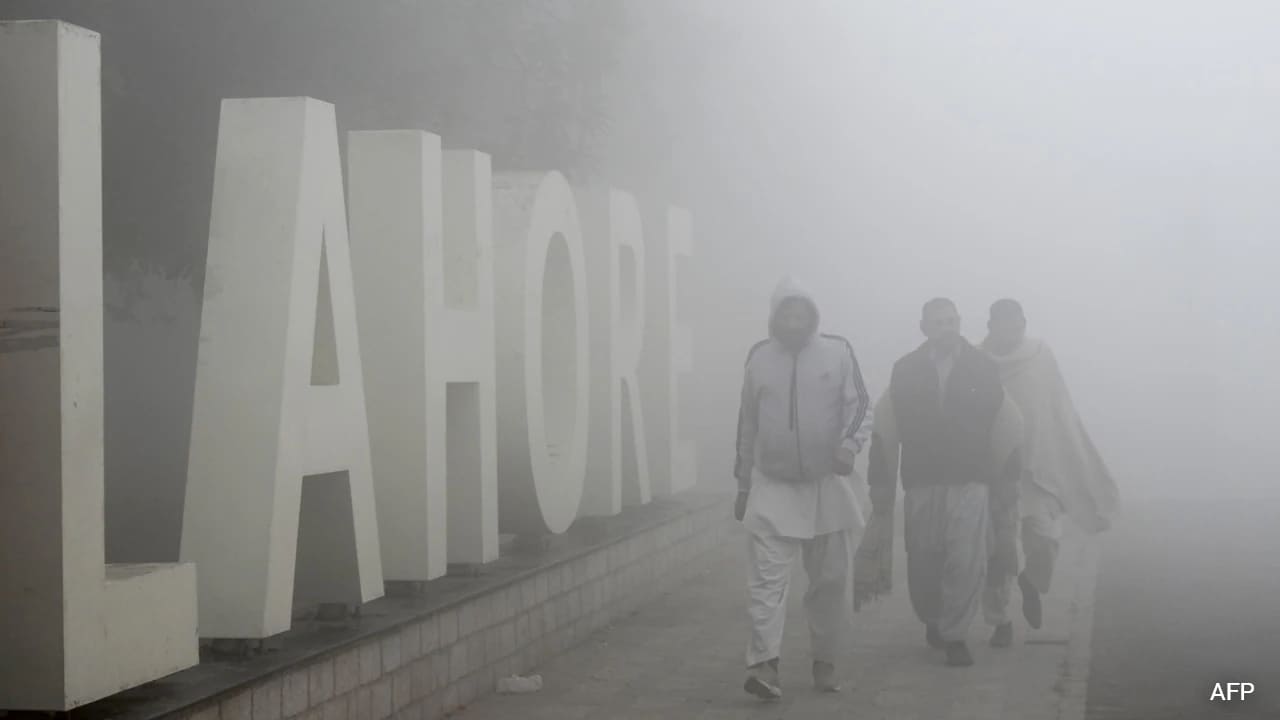
Lahore has been identified as the world's most polluted major city, with AQI levels surpassing 600. Official Pakistani agencies have challenged narratives attributing this spike solely to cross-border Diwali fireworks.
The Crisis of Air Quality in Lahore
Lahore, the historic capital of Pakistan's Punjab province, is currently grappling with a severe environmental crisis. According to data provided by the Swiss air quality technology company IQAir, the city has recently topped the global rankings for the most polluted major cities. With Air Quality Index (AQI) levels soaring past the 600 mark, the atmosphere in the region has reached hazardous levels that pose immediate threats to public health, visibility, and daily economic activity.
Deconstructing the 'Diwali' Narrative
For years, political rhetoric surrounding transboundary pollution has often centered on agricultural practices and festive activities, specifically blaming Diwali fireworks in neighboring India for seasonal spikes in smog. However, recent developments indicate that Pakistan's own environmental agencies are moving away from this singular narrative. By busting the 'Diwali firework' theory, officials are acknowledging that the sources of pollution are far more localized, complex, and persistent than previously admitted.
The Anatomy of Toxic Smog
The current pollution surge is the result of a 'toxic cocktail' of industrial emissions, vehicular exhaust, and the seasonal burning of crop residue. As winter approaches, the phenomenon of temperature inversion traps these pollutants closer to the ground, preventing them from dispersing into the upper atmosphere. This meteorological trap, combined with the city's rapid urbanization and lack of stringent emission controls, creates a recurring health emergency that persists long after any specific holiday period ends.
Economic and Social Implications
Beyond the immediate health risks—which include respiratory illnesses and cardiovascular stress—this level of pollution carries a heavy economic toll. School closures, reduced productivity, and the strain on the healthcare system represent significant losses for the provincial economy. The persistence of these high AQI levels forces a rethink of urban planning and industrial regulation, suggesting that short-term finger-pointing is no longer a viable strategy for governance.
Looking Toward Sustainable Policy
As the data from IQAir continues to highlight Lahore’s precarious position, the pressure mounts on policymakers to adopt science-based solutions. Addressing the crisis will require a comprehensive approach, including the modernization of brick kilns, a transition to cleaner transport, and better management of agricultural waste. Moving past the blame game toward regional cooperation and internal reform is the only path toward stabilizing the air quality for millions of residents.
Verification Required?