Eventful City | From Lal Kuan to the skies: How Old Delhi’s kite market comes alive for August 15
Source Entity
Anusree K C
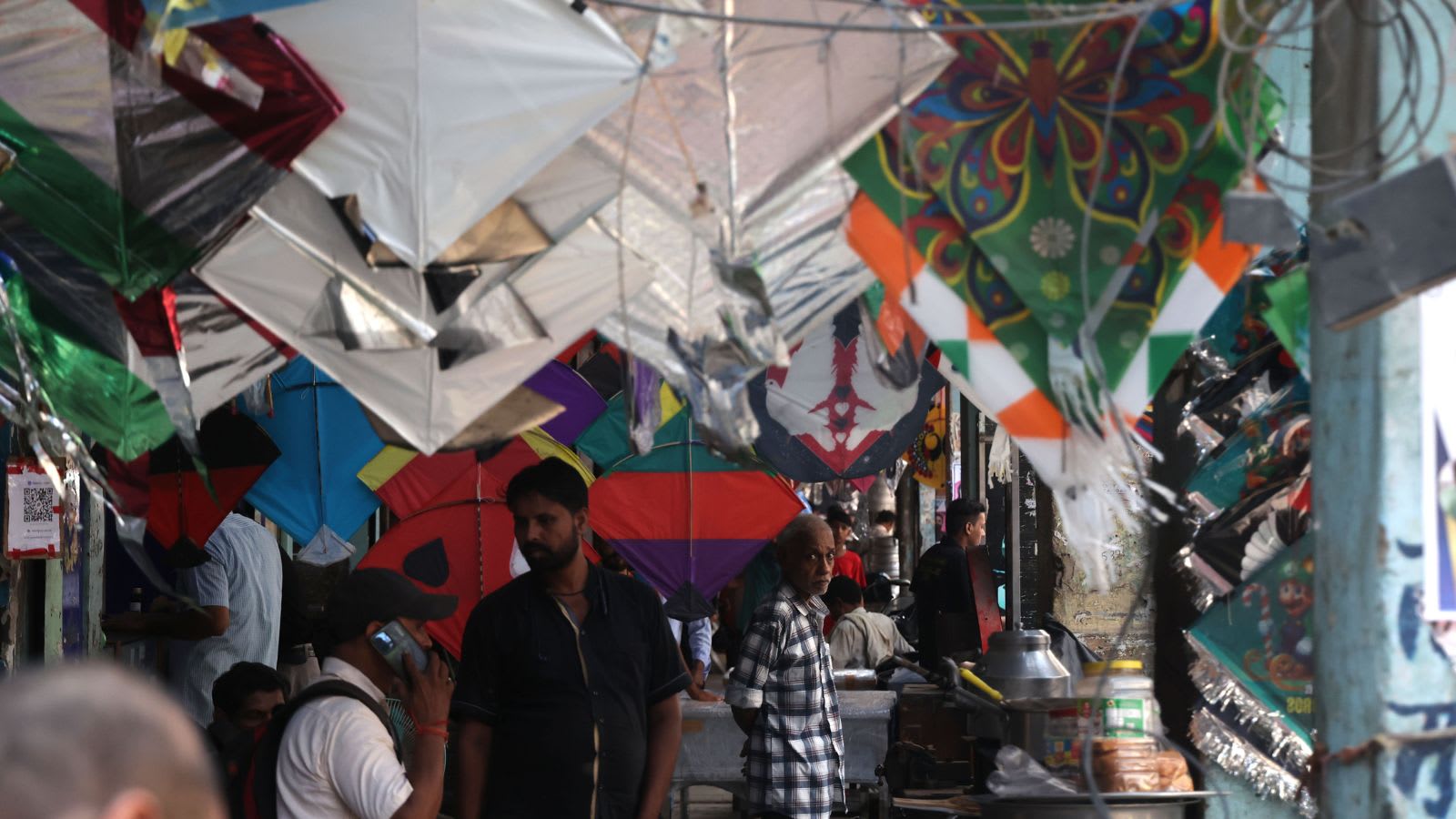
Lal Kuan in Old Delhi transforms into a vibrant wholesale hub for kites ahead of Independence Day. The market blends traditional kite-flying customs with modern pop culture trends, featuring everything from classic designs to celebrity and meme-themed kites.
The Vibrant Transformation of Lal Kuan
Every year, as India approaches Independence Day, the bustling, chaotic lanes of Old Delhi undergo a striking metamorphosis. The stretch from Chawri Bazar Metro station to Lal Kuan Bazaar Road, typically a corridor of relentless urban noise and commercial activity, becomes the epicenter of India’s kite-flying culture. For a few weeks in August, this area solidifies its reputation as one of the country’s largest wholesale kite markets, where the atmosphere shifts from mundane commerce to a festive display of color and history.
A Fusion of Tradition and Pop Culture
While the act of flying kites on August 15 is a deep-rooted tradition in India, the inventory at Lal Kuan reveals a fascinating evolution in consumer tastes. The stalls are no longer limited to conventional patterns; they are now adorned with kites featuring contemporary icons. From global figures like Spider-Man and Pokémon to domestic cultural touchstones like Chhota Bheem and Punjabi music sensations Karan Aujla and Sidhu Moosewala, the market reflects the changing landscape of youth media. This integration of pop culture memes and celebrity imagery onto traditional paper kites highlights the market's ability to remain relevant to newer generations.
The Logistics of a Seasonal Giant
Operating such a massive seasonal market requires immense coordination. Traders like Jamal Ahmed report significant foot traffic, with hundreds of visitors daily during the peak season. The logistics involve managing narrow, crowded streets while displaying thousands of kites—ranging from tiny, palm-sized tricolor versions to massive kites nearly as tall as an adult. These items are suspended from cables, stacked on walls, and displayed across makeshift tables, turning the entire architecture of the market into a vibrant, fluttering canopy.
The Hidden Labor Behind the Skies
The visual spectacle of the market often obscures the intense labor required to sustain this culture. Shopkeepers and artisans work tirelessly to stock their stalls, yet there remains a sentiment among these workers that their hard work goes largely unnoticed by the casual observer. The process involves not just the intricate creation of the kites themselves, but also the supply of saddis (plain cotton thread), which are essential for the traditional dogfights that characterize the Independence Day sky.
Future Trends and Cultural Significance
Despite observations that the general public craze for kite flying may have waned compared to previous decades, the persistent vibrancy of Lal Kuan suggests that the tradition remains resilient. By pivoting to include modern themes, the kite market is effectively bridging the gap between historical practices and the digital-age interests of today's youth. As long as these markets continue to adapt their themes and maintain their wholesale accessibility, the sight of paper kites dotting the August sky will likely remain a hallmark of India’s Independence Day celebrations for years to come.