IPL founder Lalit Modi acquires British citizenship, calls it ‘home for many years’
Source Entity
India Latest News: Top National Headlines Today & Breaking News | The Hindu
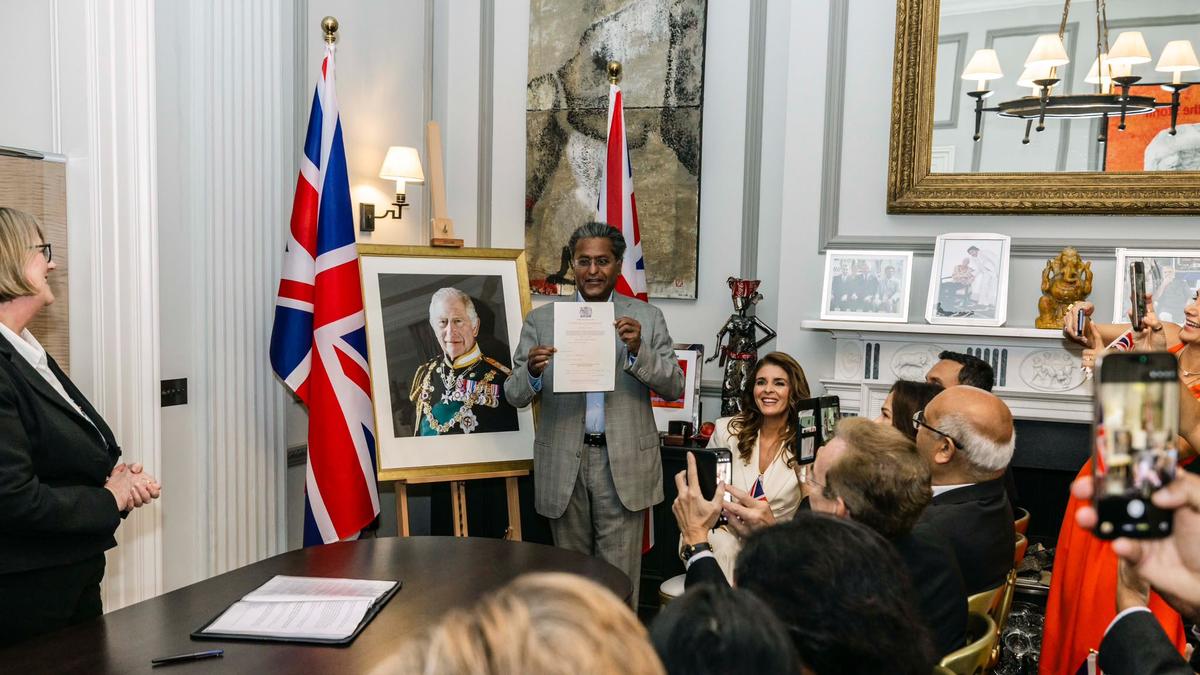
IPL founder Lalit Modi has officially acquired British citizenship after residing in the UK since 2010. He announced the milestone at the Oxford Union, citing his long-standing connection to the country.
The Citizenship Milestone: Lalit Modi’s New Chapter
Lalit Modi, the visionary founder of the Indian Premier League (IPL), has officially confirmed his acquisition of British citizenship. The announcement, made during a prestigious address at the Oxford Union on November 14, 2026, marks a significant personal milestone for the businessman who has resided in the United Kingdom for over a decade. By sharing images from his citizenship ceremony held at a London Town Hall this past September, Modi has formally solidified his status as a British national, describing the transition as a process of embracing the values, traditions, and institutions of a country he has long considered home.
Contextualizing the Departure
To understand the gravity of this announcement, one must look back at the departure of Lalit Modi from India in May 2010. His exit followed his suspension by the Board of Control for Cricket in India (BCCI) amidst swirling allegations of financial irregularities related to the early years of the IPL. Since that time, Modi has remained in London, effectively distancing himself from the Indian legal system while maintaining his profile as a global business figure. The transition to British citizenship serves as a definitive turning point in his prolonged exile, shifting his legal and political standing significantly.
Legal Implications and Ongoing Investigations
Modi’s life in the UK has been marked by persistent legal pressure from Indian authorities. In 2015, a special court in India issued a non-bailable warrant against him after he failed to appear in response to summonses from the Enforcement Directorate regarding money laundering allegations. By becoming a British citizen, Modi enters a new phase of his legal journey. While citizenship does not automatically grant immunity from international legal processes, it fundamentally alters the diplomatic and procedural framework through which Indian authorities may seek further cooperation or extradition, potentially complicating the enforcement of outstanding warrants.
The Oxford Union Address
Choosing the Oxford Union—a global platform for intellectual and political discourse—to announce this milestone was a calculated move. By framing his citizenship as a "special and personal milestone," Modi attempted to shift the narrative from his controversial past to his present identity as a member of British society. His rhetoric emphasized gratitude, pride, and a sense of responsibility toward the UK, signaling an intent to integrate further into the British establishment rather than viewing his stay as a temporary refuge.
Broader Trends in High-Net-Worth Migration
The case of Lalit Modi reflects a broader trend of high-net-worth individuals utilizing citizenship programs to secure stability amidst legal challenges in their home countries. For figures facing complex regulatory scrutiny, the acquisition of a new nationality is often viewed as a strategic hedge. As Modi begins this "new chapter," the international community will be watching to see how this change in status affects the long-standing legal tussles between him and Indian financial investigators. The development underscores the intersection of personal ambition, legal strategy, and the geopolitical realities of modern extradition and citizenship laws.
Multiple Citing Sources
Verification Required?