Lalit Modi claims UK citizenship; likely to hamper his extradition
Source Entity
Divya A
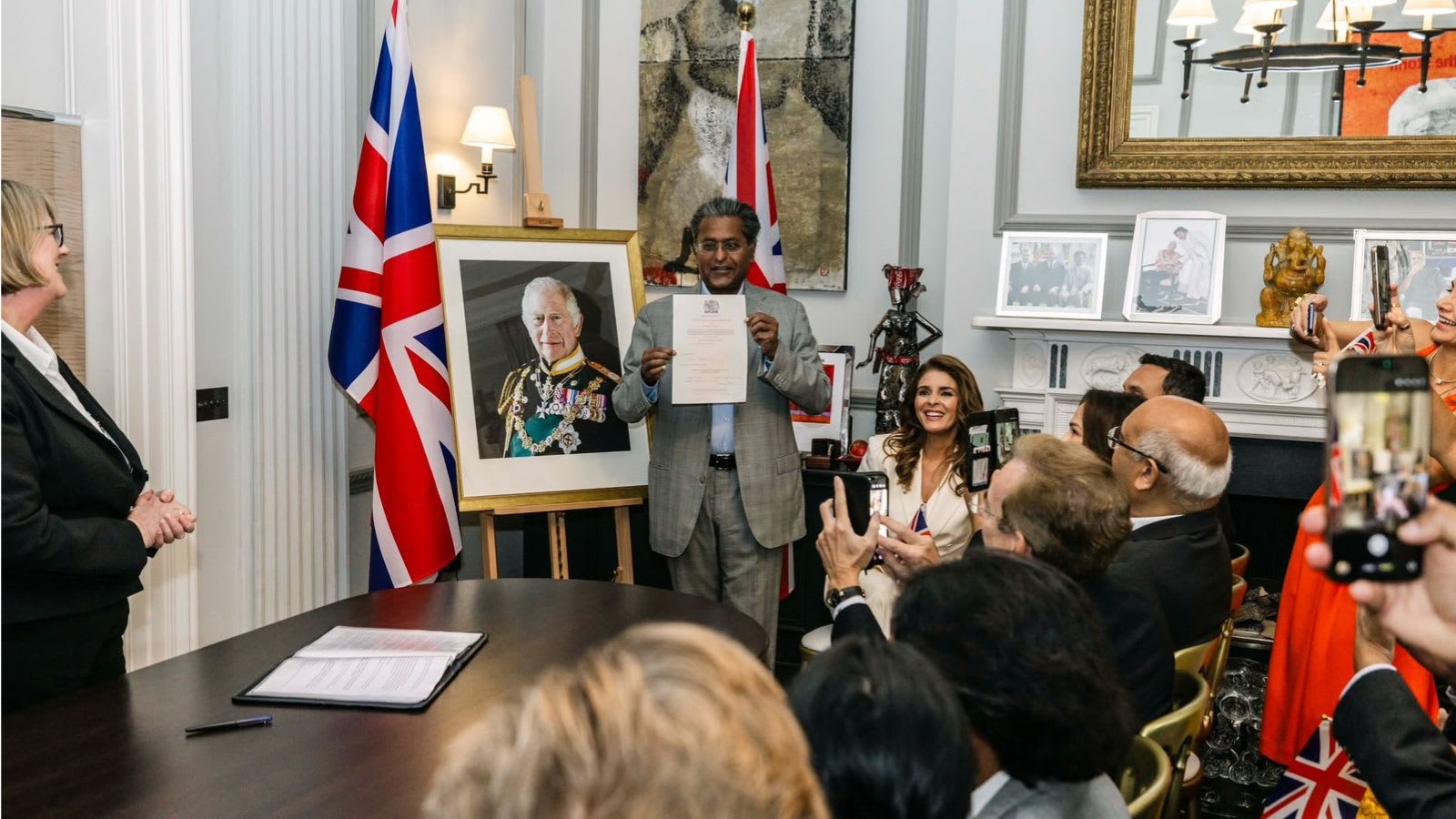
Lalit Modi has publicly announced his acquisition of British citizenship, a move that complicates ongoing Indian efforts to secure his extradition. The IPL founder remains wanted in India for alleged financial irregularities, though he maintains there is no active case against him.
The Citizenship Announcement and its Diplomatic Ripple Effects
Lalit Modi, the architect of the Indian Premier League (IPL), has officially confirmed that he has secured British citizenship. This revelation, shared during an address at the Oxford Union, marks a significant shift in his legal status, as he has effectively transitioned from a fugitive under scrutiny to a naturalized citizen of the United Kingdom. Having left India in 2010 following his suspension by the Board of Control for Cricket in India (BCCI), Modi has long maintained a base in London, and this formal recognition of his status serves as a major milestone in his post-IPL life.
Impact on Extradition and Legal Hurdles
The acquisition of British citizenship introduces a complex layer to the ongoing legal tug-of-war between Indian authorities and the UK government. For over a decade, India has pursued Modi in connection with allegations of money laundering, tax evasion, and financial irregularities linked to the IPL. While the Enforcement Directorate (ED) has continued its investigations, the British legal system has historically shown reluctance to facilitate deportation, citing local laws and procedural barriers. With Modi now holding a British passport, the threshold for extradition becomes significantly higher, as the UK generally maintains stringent protections for its citizens against extradition to foreign jurisdictions.
The Narrative of Persecution vs. Financial Misconduct
Modi’s public discourse surrounding this development emphasizes a narrative of political persecution. By claiming that he faces undue pressure and threats, he seeks to frame his resistance to returning to India as a defensive measure rather than an attempt to evade justice. Conversely, Indian authorities view his avoidance of the legal system as a clear case of flight to escape accountability for the financial irregularities that prompted the initial non-bailable warrants issued by Indian special courts. This clash of narratives highlights the tension between international extradition treaties and the sovereign rights of host nations.
Historical Context of the IPL Controversy
To understand the gravity of the situation, one must recall the 2010 collapse of Modi’s position within the BCCI. The suspension of the IPL founder was precipitated by intense scrutiny regarding proxy ownership and the financial architecture of the league. Since his departure, the Indian government has utilized various diplomatic and legal channels to secure his presence in Indian courts. The fact that the UK previously rejected a 2012 deportation plea suggests that the path for Indian investigators was already narrow; the current citizenship status potentially renders those previous efforts obsolete.
Future Trends in Transnational Legal Disputes
Looking forward, this development serves as a case study for future extradition challenges involving high-profile individuals. The case illustrates that the passage of time—16 years since he fled India—often works in favor of the accused, as they establish roots and acquire legal protections in foreign countries. As legal experts observe, the Indian government will likely face an uphill battle to convince British courts that the charges against Modi warrant an exception to the protections afforded to a British citizen. This event signals a likely stalemate, with the focus shifting from immediate extradition to the long-term management of frozen assets and continued, albeit potentially ineffective, legal pressure.