LAPD lets contract with surveillance giant Flock expire, citing ‘serious concerns’ over civil liberties and privacy
Source Entity
Zack Whittaker
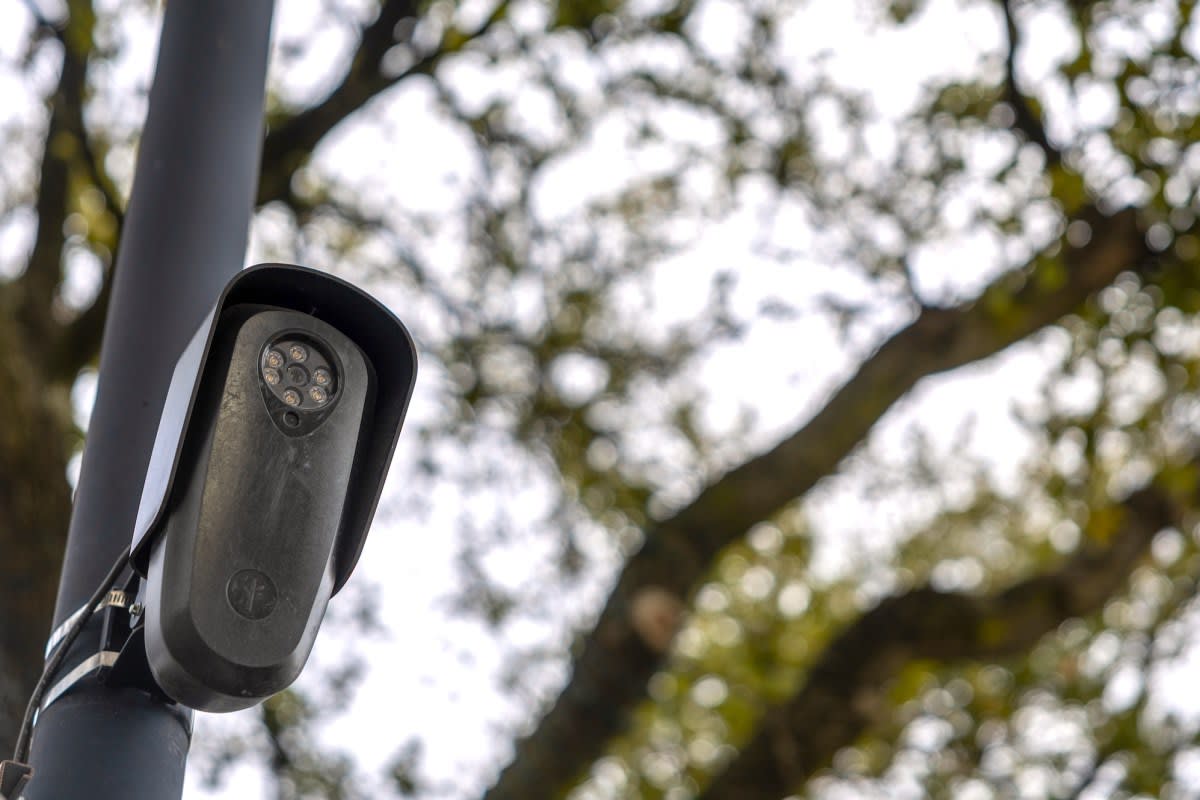
The LAPD, one of Flock's biggest government customers, is ending its contract with the company citing civil liberties concerns.
LAPD Exits Partnership with Flock Safety: A Pivot in Surveillance Ethics
In a significant shift regarding urban policing and the use of high-tech surveillance, the Los Angeles Police Department (LAPD) has allowed its contract with Flock Safety to expire. As one of the company's most prominent government clients, the LAPD's decision to sever ties is not merely a budgetary or administrative change, but a pointed statement regarding the intersection of law enforcement efficiency and the fundamental right to privacy. The department explicitly cited "serious concerns" over civil liberties, signaling a growing internal or external pressure to re-evaluate the ethics of mass automated surveillance.
The Mechanics of ALPR and the Privacy Paradox
To understand the gravity of this decision, one must look at the technology provided by Flock Safety. The company specializes in Automated License Plate Recognition (ALPR) systems, which utilize a network of cameras to capture license plate data and vehicle characteristics in real-time. While these tools are marketed as essential for recovering stolen vehicles and tracking suspects, they essentially create a digital dragnet. By logging the movements of thousands of innocent drivers daily, such systems build a comprehensive map of citizen movement, which critics argue constitutes a form of warrantless mass surveillance that contradicts the spirit of the Fourth Amendment.
Analyzing the 'Civil Liberties' Concerns
The LAPD's mention of "civil liberties" likely refers to the systemic risks associated with data retention and the potential for "function creep." Function creep occurs when a tool designed for a specific, narrow purpose (such as finding a kidnapped child) is gradually used for broader, more intrusive purposes (such as monitoring political protests or tracking individuals based on behavioral patterns). The lack of transparency regarding how long data is stored, who has access to it, and how it is shared with other agencies often creates a legal gray area that can lead to systemic abuses of power.
A Precedent for Urban Law Enforcement
The decision by the LAPD—one of the largest and most influential police departments in the United States—sends a powerful signal to other municipalities. For years, the trend in policing has been toward the adoption of "predictive" and "automated" tools. However, the LAPD's exit suggests a tipping point where the legal and ethical liabilities of these technologies may now outweigh their operational benefits. This move could trigger a domino effect, prompting other city councils and police commissions to audit their own surveillance contracts and demand higher standards of privacy protection.
Historical Context and the Legal Landscape
This event fits into a broader historical trajectory of pushback against biometric and automated surveillance. In recent years, several U.S. cities have banned facial recognition technology due to concerns over racial bias and accuracy. The shift away from Flock Safety reflects a similar evolution in thinking: the recognition that the mere existence of a pervasive surveillance infrastructure can have a "chilling effect" on public life, where citizens alter their behavior because they know they are being tracked, regardless of whether they have committed a crime.
Future Trends in GovTech and Surveillance
Looking forward, this development suggests that the "GovTech" sector must pivot toward "privacy-by-design." Companies that wish to maintain government contracts will likely need to implement more rigorous, transparent, and limited data-collection protocols. We can expect to see a rise in the demand for "edge processing," where data is analyzed locally and deleted immediately unless a specific match is found, rather than being uploaded to a centralized cloud database. The LAPD's decision highlights a growing demand for a balance where technology assists law enforcement without compromising the democratic values of anonymity and privacy.
Conclusion
The LAPD's decision to let its contract with Flock Safety expire marks a critical moment in the debate over the surveillance state. By prioritizing civil liberties over the convenience of automated tracking, the department has acknowledged the inherent dangers of unchecked surveillance technology. This move underscores the necessity of continuous oversight and the willingness of state institutions to dismantle systems that threaten the privacy rights of the populations they are sworn to protect.