‘Why are you shutting show?’: How Lata Mangeshkar fought for CID after it was pulled off air
Source Entity
The Indian Express
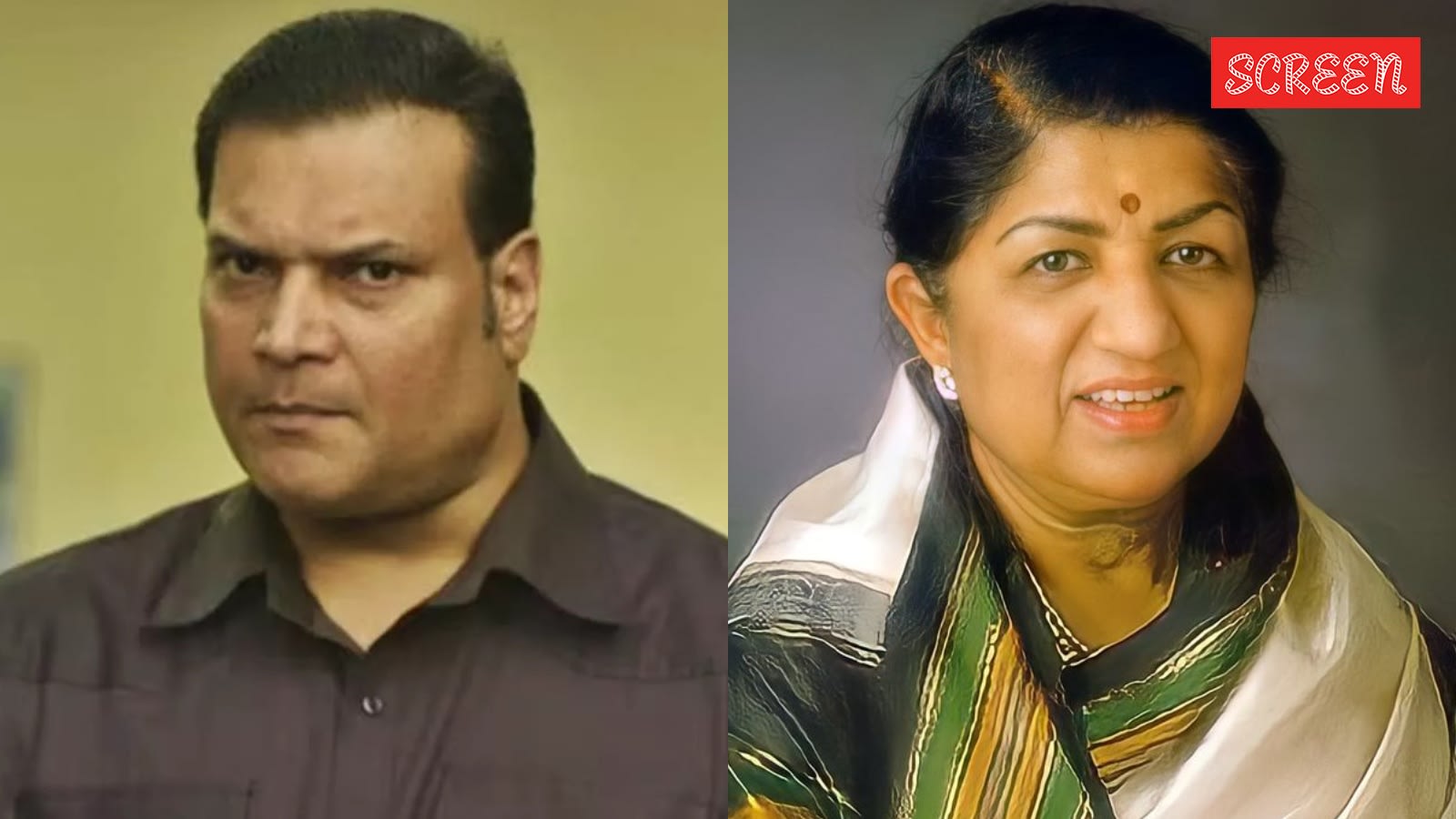
Legendary singer Lata Mangeshkar was a devoted fan of the long-running crime series CID and actively campaigned for its return after its 2018 cancellation. Actor Dayanand Shetty revealed that she personally contacted channel executives to protest the show's abrupt removal from the air.
The Legacy of CID and the Influence of Lata Mangeshkar
Sony Entertainment Television’s CID, which premiered in 1998, stands as a landmark in Indian television history. Running for over two decades, it became a cultural phenomenon, fostering a massive cult following that transcended generations. The show's procedural format, centered on the dedicated officers of the Crime Investigation Department, provided a staple of Indian prime-time viewing that few other shows could replicate in terms of longevity and brand loyalty.
An Abrupt Conclusion
In October 2018, the entertainment landscape was shaken when CID was abruptly pulled off the air. This sudden cancellation left millions of fans in disbelief and sparked widespread speculation regarding the motivations behind the move. While the show was a veteran of the network, its removal marked the end of an era, prompting intense discussion about the shifting priorities of television programming in an age of rising digital competition and changing viewer demographics.
The Unlikely Advocate: Lata Mangeshkar
In a recent revelation that highlights the show's broad appeal, actor Dayanand Shetty, who portrayed the iconic character Daya, shared that the legendary singer Lata Mangeshkar was a staunch supporter of the series. Her fandom was not merely casual; she was deeply invested in the program. Shetty noted that when the show was discontinued, Mangeshkar took active steps to intervene, demonstrating the profound influence she held even outside the realm of music.
Direct Intervention and Industry Politics
According to Shetty’s interview on a podcast hosted by Siddharth Kannan, Mangeshkar personally contacted Sony executives in both India and America to express her disapproval of the show's cancellation. Her query, "I watch this program, why do you have a problem?" served as a powerful testament to her personal connection to the characters. Shetty’s account also suggests that internal channel politics played a significant role in the show's demise, a common challenge in the high-stakes environment of network television.
Broader Implications for Television Culture
This incident underscores the intersection of celebrity influence and network decision-making. While channels often prioritize ratings and financial metrics, the intervention by a cultural icon like Mangeshkar highlights the "soft power" that high-profile personalities can exert on media institutions. It also draws attention to the fragility of long-running shows, which, despite their success, remain vulnerable to corporate strategy and internal organizational shifts.
Conclusion
The story of Lata Mangeshkar’s defense of CID is a poignant reminder of the show's deep-rooted impact on Indian society. While the intervention did not permanently prevent the show from leaving the air at that time, it solidified the legacy of the series as a program that was not only loved by the masses but also deeply respected by the country's most revered artistic figures. The narrative serves as a fascinating case study in how television programming, culture, and personal passion collide.