Why the LeapPad couldn’t survive the iPad
Source Entity
Verge Staff
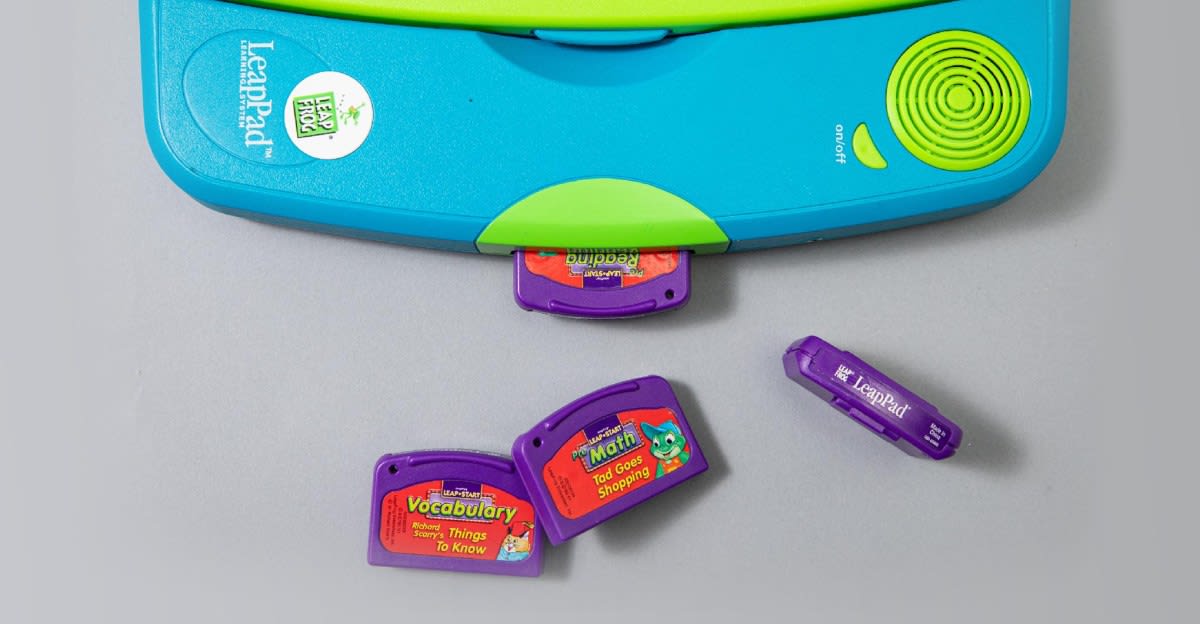
The LeapPad was a groundbreaking educational toy that dominated the market before struggling to compete with the rise of the iPad. This analysis explores its unique technology and the challenges LeapFrog faced in maintaining its relevance.
The Rise and Fall of the LeapPad
For several years, the LeapPad stood as the quintessential piece of educational technology in the United States. It was not merely a book, but a sophisticated, interactive device that utilized touch-sensitive surfaces and audio feedback to assist children in the foundational process of learning to read. By blending tactile engagement with digital sound, it became a cultural phenomenon that bridged the gap between traditional literacy tools and electronic play.
The Allure of Interactive Literacy
What made the LeapPad so enticing to both children and their parents was its ability to make education feel like a reward rather than a chore. For children, the immediate feedback provided by tapping the device created an immersive learning environment. For parents, it offered a guilt-free way to incorporate screen-adjacent technology into early childhood development, though the high price point and the proprietary nature of its content libraries sparked significant debate regarding its long-term value.
A Product of Its Time
As part of the Version History podcast series on iconic school tech, experts like David Pierce, Andru Marino, and Jennifer Pattison Tuohy have dissected the company’s trajectory. The LeapPad represented a pinnacle of dedicated hardware—devices designed for a single purpose. During its heyday, it occupied a unique niche that general-purpose computers could not easily replicate, capturing a massive share of the educational toy market through clever design and pedagogical alignment.
The iPad Disruption
However, the introduction of the iPad fundamentally altered the landscape. As tablets became more affordable and user-friendly, the singular, restrictive nature of the LeapPad became its greatest liability. While the iPad offered infinite app possibilities, the LeapPad remained locked in its original format. This transition highlights a broader trend in consumer electronics: dedicated hardware often struggles to survive once a multi-purpose platform achieves critical mass and accessibility.
Limitations in Innovation
Beyond external market pressure, the company behind the LeapPad faced internal challenges in replicating their initial success. Expanding upon the platform proved difficult as consumer expectations for connectivity and software updates evolved. The inability to pivot effectively while maintaining the core appeal of the original device left the company vulnerable to competitors that were already deeply integrated into the digital ecosystems of modern families.
Conclusion: A Legacy in Tech History
Ultimately, the LeapPad serves as a poignant case study in the rapid evolution of educational technology. While it may have lost its dominance to the versatility of modern tablets, its impact on the way children interact with digital learning remains undeniable. The story of the LeapPad is a reminder that in the fast-paced world of consumer technology, even the most innovative products must constantly adapt to remain relevant in the face of platform-shifting innovations.