Ledger’s early implant warnings deserved more action, Karpelès says
Source Entity
Cointelegraph by Helen Partz
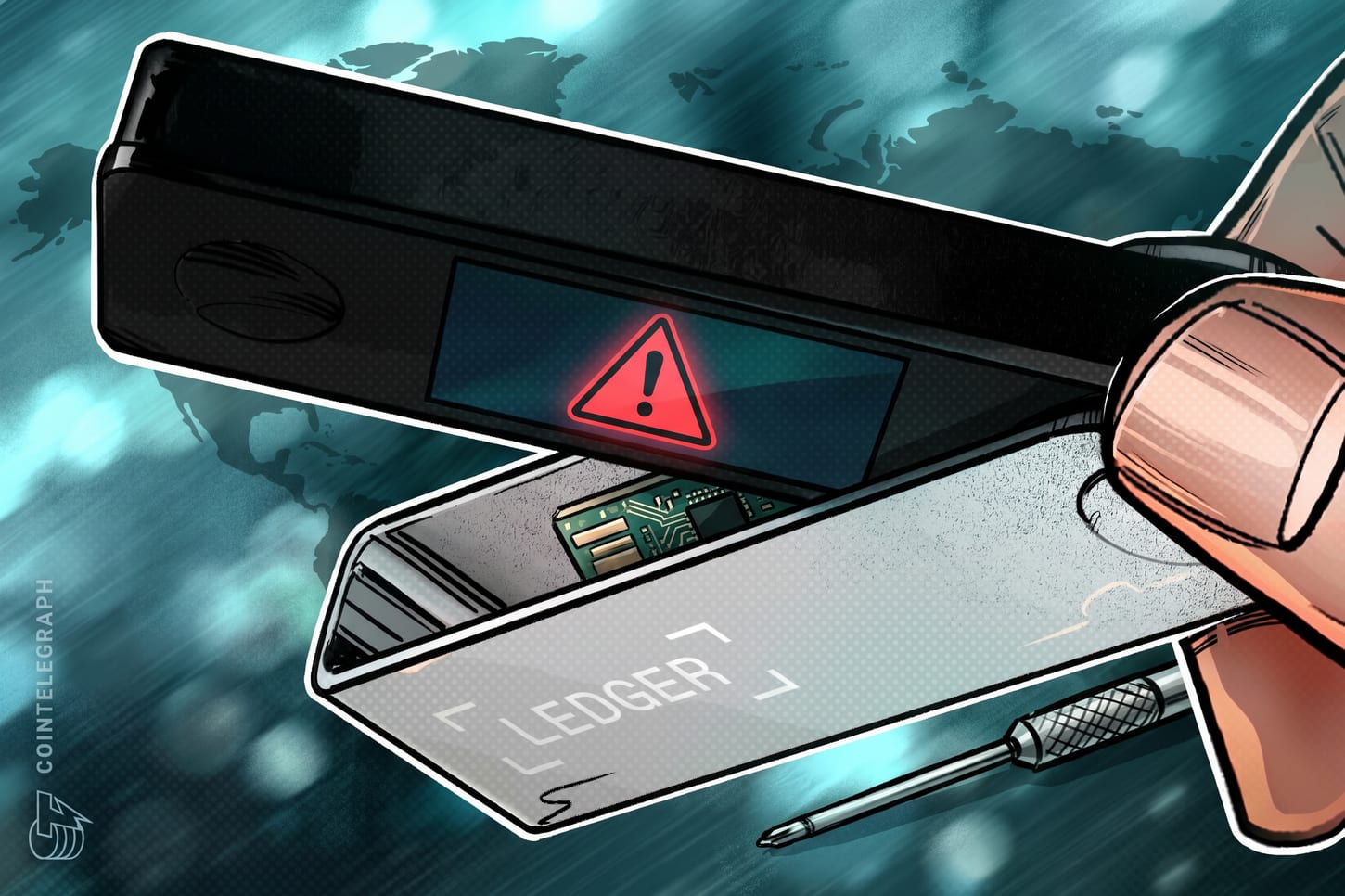
Former Mt. Gox CEO Mark Karpelès and researcher Joe Grand allege that Ledger was warned about tampered hardware wallets months before its recent security crisis. The reports highlight significant concerns regarding the company's responsiveness to supply chain vulnerabilities.
The Ledger Security Controversy: A Crisis of Transparency
Recent revelations concerning the French hardware wallet manufacturer Ledger have sparked intense debate within the cryptocurrency community. Former Mt. Gox CEO Mark Karpelès has brought to light claims that the company was alerted to the existence of malicious hardware implants months before their most recent security crisis. These allegations suggest a potential breakdown in communication and a failure to adequately address supply chain vulnerabilities that could compromise the integrity of cold storage devices.
The Timeline of Warnings
According to reports provided by Mark Karpelès, Ledger was contacted as early as December 2025 regarding the presence of tampered devices. Despite these early notifications, Karpelès noted a concerning lack of public acknowledgment or preventative warnings from the company. This silence raises critical questions about how hardware wallet manufacturers manage vulnerability disclosures and the ethical obligations they have toward their user base when their physical supply chain is potentially compromised.
Independent Security Research
Further corroborating these concerns, security researcher Joe Grand reported that he formally alerted Ledger on March 4, 2026. His findings were based on a specific Ledger Nano X unit purchased through the online marketplace Lazada Thailand in August 2025, which contained a malicious implant. Grand’s direct involvement highlights that these were not merely anonymous rumors but documented technical findings that required immediate attention from the manufacturer's security team.
Supply Chain Integrity Challenges
These incidents underline the broader, systemic challenge of maintaining the integrity of hardware wallets in an age of globalized e-commerce. When devices are purchased through third-party marketplaces, the risk of 'interdiction'—where hardware is tampered with during shipping or storage—increases significantly. Ledger’s apparent failure to act on these specific reports suggests that the security model of hardware wallets must evolve to include more robust, user-verifiable supply chain security measures.
The Implications for Crypto Security
For the broader cryptocurrency ecosystem, this episode serves as a sobering reminder that 'cold storage' is not synonymous with absolute security. The trust placed in hardware manufacturers relies heavily on their transparency and their ability to remediate threats rapidly. If companies fail to act on credible reports of hardware tampering, the fundamental promise of self-custody—that the user is in complete control of their assets—is severely undermined.
Future Outlook and Industry Standards
Looking ahead, it is likely that hardware wallet providers will face increased pressure to adopt more transparent vulnerability disclosure programs. Investors and users will likely demand better authentication methods for devices and clearer communication channels for reporting anomalies. As the industry matures, the ability for a company to handle such crises with urgency and honesty will become a key competitive differentiator, potentially redefining the standards for security in the digital asset space.